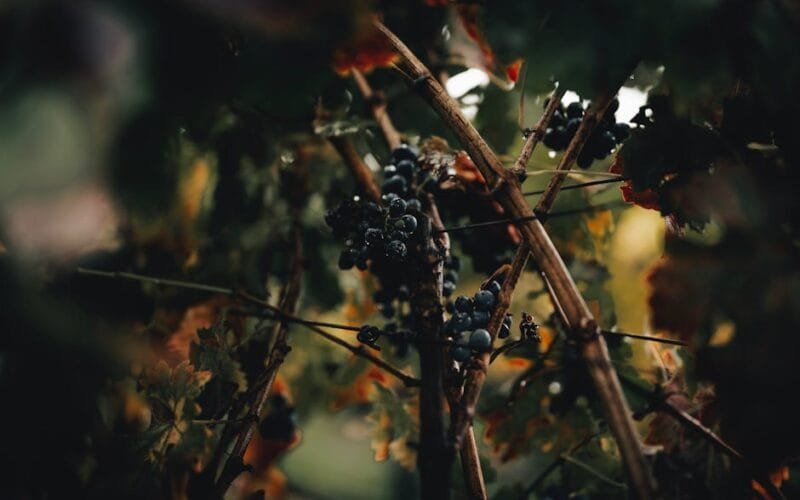
This is worth savoring: The 2023 vintage from Domaine de la Romanée-Conti didn’t just defy expectations—it redefined them. When the most revered Burgundy estate unveiled its wines this week, it revealed a story of restraint, precision, and the audacity to discard grapes before they even ripened. For a place where every cluster is treated like a rare artifact, the act of thinning the crop felt like sacrilege. Yet, for Perrine Fenal and Bertrand de Villaine, it was the only way to preserve the integrity of their Pinot Noir.
The 2023 growing season was a paradox of abundance and peril. A late, successful flowering in May-June led to an unprecedented number of bunches, compounded by summer rains and a brief heatwave that inflated berry size. By July, humidity had sparked botrytis in some plots, while cooler temperatures delayed the onset of véraison—the moment grapes begin to ripen. “We had too much fruit, too large, too wet,” Fenal explained. Without intervention, she warned, the wines would have been “overwhelming, unbalanced.” The solution? A green harvest, a brutal but necessary cull of unripe clusters.
The gamble paid off. By mid-August, a second heatwave pushed sugar levels to record highs, but the domaine’s directors held their fire. They waited until late September to begin picking, allowing grapes to fully mature under scorching 40°C conditions. “The grapes were heavy, hot, and sunburned,” Fenal said. “So were we.” Yet the patience paid off: the resulting wines boast a rare combination of power and poise, with alcohol levels exceeding 14%—a benchmark de Villaine called “exceptional.”
The 2023 vintage underscores a broader truth: in an era of erratic weather, vineyard management isn’t just about yield—it’s about control. Biodynamic practices, repeated passes through the vines to remove diseased or unripe clusters, and meticulous sorting at harvest all played a role. “We worked to get the best vegetal material nature could give,” de Villaine said. “That’s what we call a success.”
The 2023 vintage proves that even in a world of erratic weather, meticulous vineyard management can elevate quality beyond mere yield.
Thinning the crop wasn’t just a gamble—it was a calculated move to balance abundance with precision. The 2023 vintage proves that even in a world of erratic weather, meticulous vineyard management can elevate quality beyond mere yield.
What role does human intervention play in shaping the soul of a great wine?
Questions & Answers
What is crop thinning in viticulture?
Crop thinning reduces grape clusters to improve quality. It ensures optimal sunlight and nutrients, leading to better flavor and structure in wine.
Why is crop thinning important for 2023 wines?
It helps balance yields and quality, ensuring each grape reaches full potential. This is crucial for producing high-quality wines in 2023.
Information sourced from industry reports and news outlets.