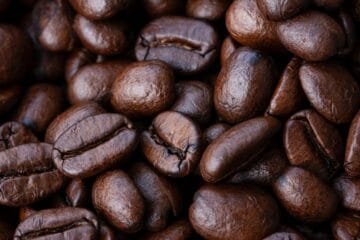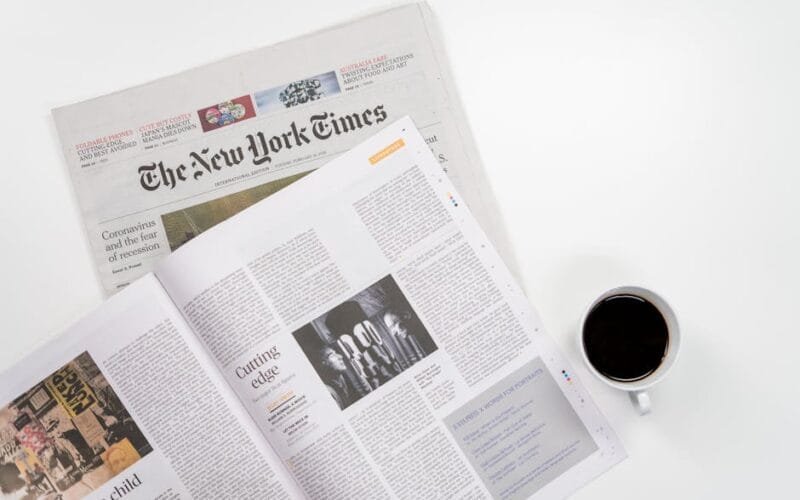
Here’s something to stir your curiosity: The price of your morning brew has more than doubled since 1985. A CNBC chart reveals the stark rise in U.S. coffee prices, driven by climate chaos, supply chain upheavals, and tariffs that once spiked costs. While the Trump administration slashed tariffs, Bloomberg warns that green coffee’s high global prices mean steep bills for consumers—well into the future. This isn’t just about your wallet; it’s a barometer of global instability.
Coffee’s financial journey mirrors its cultural rise. From a humble commodity to a luxury item, the bean’s value has been shaped by forces beyond bean farmers’ control. Climate change has disrupted traditional growing regions, while geopolitical tensions have turned coffee into a geopolitical pawn. The result? A 200% price surge since 1985, with no sign of slowing. Yet, for many, the cost is a price worth paying—for flavor, ritual, or the simple joy of a warm cup.
But coffee’s impact extends beyond your wallet. A study in the Australian & New Zealand Journal of Psychiatry links moderate caffeine consumption to lower depression risks, citing energy boosts and mood stabilization. Meanwhile, research pooling over 270 studies finds that regular coffee intake cuts liver cancer risk by up to 40%. These findings aren’t just stats—they’re a reminder that what you sip might shape more than your morning routine.
The coffee industry’s future hinges on balancing profit with purpose. As prices climb, sustainability efforts and fair-trade practices gain traction. Yet, the real challenge lies in making premium coffee accessible without diluting its quality. For now, the bean remains a symbol of resilience—and a catalyst for conversation.
Key points: Coffee prices have surged 200% since 1985, driven by climate and trade factors; moderate consumption may reduce depression risk and liver cancer likelihood; rising costs highlight the need for sustainable, equitable practices.
Key points: Coffee prices have surged 200% since 1985, driven by climate and trade factors; moderate consumption may reduce depression risk and liver cancer likelihood; rising costs highlight the need for sustainable, equitable practices.
What’s your take? How do you navigate the rising cost of your favorite brew? Share your thoughts below.
Questions & Answers
What’s the latest trend in coffee consumption?
Cold brew and nitro cold brew are rising trends, with more cafes offering slow-drip and cold-infused options for unique flavor profiles and smooth textures.
Are coffee beans organic?
Some coffee beans are organic, certified by organizations like USDA. Organic coffee is grown without synthetic pesticides, appealing to health-conscious and eco-aware consumers.
Information sourced from industry reports and news outlets.