

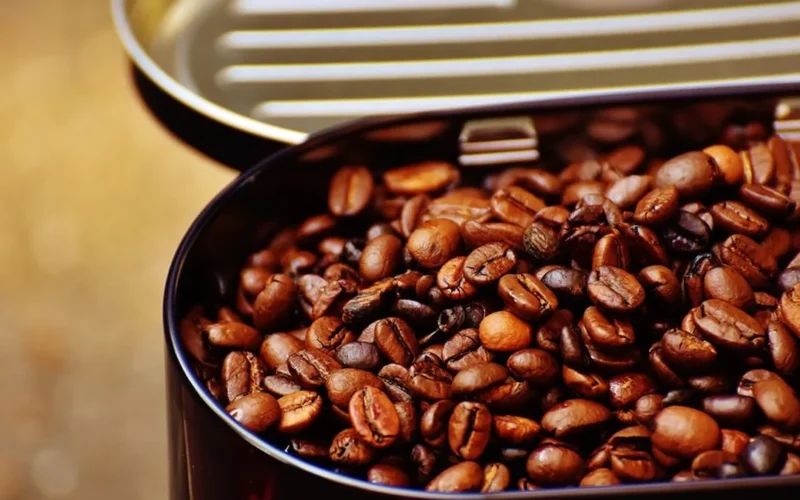
⏱ 2 min read
The Short Version
Ditch your favorite light roasts; successful cold brew relies on matching steep times to specific bean densities. Whether you crave fruit-forward semi-washed beans for a quick twelve-hour soak or sturdy dark roasts that stand up to cream, precision is everything.
This is worth savoring: when the heat hits, your morning ritual usually shifts from steaming mugs to refreshing cold brews. While store-bought concentrates offer convenience, they lack the nuance of a custom extraction tailored to your palate. However, don’t reach for your favorite light-roast Ethiopian bag just yet; cold brewing requires a specific approach to bean selection to avoid thin or overly acidic results.
The extra time really lets the full depth of the blend come through.
Extraction time and roast profiles
The chemistry of cold immersion rewards different beans than hot brewing does. For those seeking a balanced, crowd-pleasing profile, Brandywine’s Orbital Motion blend offers a smooth experience with notes of honeysuckle and peach. Because this is a full-bodied blend, Jackson McAdoo of Dawn Cafe suggests an extended steep of 16 to 18 hours to pull out its full depth. If you prefer something more fruit-forward, look toward semi-washed coffees like Subliminal Coffee Company’s El Salvador Finca Colomba. The residual mucilage provides a heavier mouthfeel that shines during shorter, 12-hour extractions. The extra time really lets the full depth of the blend come through. For drinkers who want reliability without the guesswork, Black & White Coffee Roasters’ The Classic delivers a dark-roasted Colombian and Ethiopian blend that remains consistently delicious. If you are shopping at a standard grocery store, Eight O’Clock Coffee’s 100% Colombian Peaks is a surprisingly versatile underdog. Its rich dark chocolate notes make it sturdy enough to stand up to milk or cream in iced lattes without losing its structural integrity.
Complexity versus accessibility
Selecting the right bean often comes down to whether you value niche complexity or everyday convenience. Sightglass Coffee’s Peru from their Women of Coffee Series provides a sophisticated middle ground, balancing nutty undertones with bright juiciness over a 15-to-18-hour brew. For those prioritizing wellness, Purity’s Flow roast offers a mold-free option from Nicaragua and Colombia that maintains a striking mouthfeel. Even if you typically avoid flavored coffee, Fresh Roasted Coffee’s Frostbite French Vanilla allows you to enjoy vanilla aromatics without the cloying sugar of commercial syrups. Ultimately, mastering cold brew is about matching your steep time to the specific density and roast of your chosen bean. Do you prefer your cold brew served black to highlight acidity, or do you lean toward creamy, chocolatey profiles?
Questions & Answers
How long should you steep different types of coffee beans for cold brew?
The ideal steeping time depends on the specific density and roast profile of your chosen coffee beans. For a full-bodied blend like Brandywine’s Orbital Motion, an extended soak of 16 to 18 hours is recommended to extract its full depth. Conversely, semi-washed coffees such as Subliminal Coffee Company’s El Salvador Finca Colomba provide a heavier mouthfeel during shorter 12-hour extractions. Matching your steep time to the bean characteristics ensures you avoid thin or overly acidic results in your final brew.
What are the best coffee beans for making iced lattes?
Eight O'Clock Coffee's 100% Colombian Peaks is an excellent choice for iced lattes because of its sturdy flavor profile. This versatile option features rich dark chocolate notes that allow the coffee to maintain its structural integrity even when mixed with milk or cream. Choosing a bean with this level of strength prevents the dairy from overpowering the coffee essence. This makes it a reliable underdog for those shopping at standard grocery stores who want a delicious and creamy summer beverage.
Which coffee beans provide a fruit-forward flavor in cold brew?
Semi-washed coffees like Subliminal Coffee Company’s El Salvador Finca Colomba are ideal for achieving a fruit-forward profile. The residual mucilage found in these specific beans provides a heavier mouthfeel that enhances the drinking experience during shorter extractions. For those seeking a sophisticated balance of nutty undertones and bright juiciness, Sightglass Coffee’s Peru from their Women of Coffee Series is another excellent option. These selections focus on delivering nuanced flavors rather than just simple bitterness or heavy chocolate notes.
Why does the roast profile matter when selecting beans for cold brewing?
The roast profile determines how much time is required to achieve a balanced extraction and how the flavor interacts with water. Cold immersion chemistry rewards different beans than hot brewing, meaning light roasts might result in thin or overly acidic flavors if not handled correctly. For instance, dark-roasted blends like Black & White Coffee Roasters’ The Classic offer reliability and consistent deliciousness without much guesswork. Understanding these profiles allows you to match the bean's density to a specific steep time for optimal results.
Originally reported by Tasting Table.


[…] sustainability toward direct economic agency. The ultimate metric for success remains whether a high quality score can actually cover essential costs like school fees or medical visits in the […]