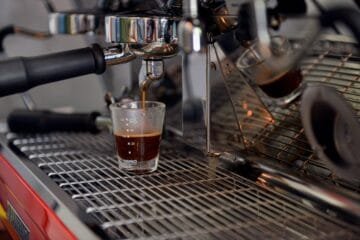
This is worth savoring: A well-organized espresso setup isn’t just about speed—it’s about precision, consistency, and the quiet confidence of a barista who knows their craft. In a world where cafés face staffing shortages and prosumers chase café-level results, workflow isn’t a luxury. It’s the invisible thread holding quality, efficiency, and stress management together.
At its core, workflow is the choreography of espresso preparation: grinding, dosing, distributing, tamping, and serving. Clutter behind the bar disrupts this rhythm, adding seconds that compound during peak hours. Studies show disorganized stations can slow service by 10–20 seconds per drink, while clean zones cut error rates by 15% and boost throughput by 40%. “When tools are intuitive, the process becomes natural,” says Théo Cherrier, a barista and coffee educator. “It allows space for care, focus, and personal expression.”
The Barista Kit by Rancilio exemplifies this philosophy. Designed for home baristas aiming to replicate café precision, it includes a WDT tool, dosing cup, and tamper-and-distributor combo. These tools streamline extraction, reduce waste, and maintain hygiene—critical for both professionals and enthusiasts. “The kit transforms daily coffee-making into a mindful ritual,” explains Simona Sordelli, Rancilio’s marketing lead. “It’s not just about speed; it’s about replicating the care found in top-tier cafes.”
Yet workflow isn’t just about tools. It’s about adaptation. Cafés must reassess routines when menus shift or new staff join, ensuring processes remain intuitive. “New drinks can add seconds to each order if prep isn’t optimized,” Théo notes. “Clear zoning and repeatable steps reduce stress and improve consistency.”
Tools like the Barista Kit streamline extraction, saving 5 seconds per routine and cutting coffee waste by 40%.
Key Points: A clutter-free station cuts preparation time by up to 40% and reduces errors by 15%. Tools like the Barista Kit streamline extraction, saving 5 seconds per routine and cutting coffee waste by 40%. Regularly reassess workflows to align with menu changes or team dynamics.
What’s one change you’ll make to your espresso setup this week?
Questions & Answers
What grind size is best for espresso?
Fine grind size is ideal for espresso, allowing water to extract flavor quickly. Too coarse and it’s under-extracted; too fine and it can over-extract, leading to bitterness.
How long should an espresso shot take?
A standard espresso shot should take 25–30 seconds. This ensures proper extraction and balanced flavor. Too short or long can result in under or over-extracted shots.
Information sourced from industry reports and news outlets.