Brewing coffee is an art form. It requires precision, patience, and passion.
The perfect cup of coffee is more than just a drink. It’s an experience.
From the aroma to the taste, every detail matters.
Coffee has a rich history and culture. It connects people across the globe.
Understanding coffee beans is crucial. Different types and origins offer unique flavors.
The science of brewing coffee is fascinating. It involves chemistry and technique.
Having the right equipment is essential. A Keurig coffee maker can simplify the process.
Brewing methods vary widely. From French press to pour over, each has its charm.
Creating the ideal coffee table experience enhances enjoyment. It’s about ambiance and comfort.

Coffee is more than a beverage. It’s a ritual that can elevate your day.
Exploring coffee’s health benefits and myths is enlightening. Knowledge empowers better choices.
Sustainability in coffee sourcing is vital. Ethical practices support the environment and communities.
Join us on this journey. Discover the art of brewing the perfect coffee.
Whether you’re a novice or a connoisseur, there’s always more to learn.
Let’s dive into the world of coffee together.
Summary
This guide explores coffee from bean to cup: its global history and culture, how bean types and origins shape flavor, and the science of extraction (grind, temperature, time). It covers essential home equipment with a spotlight on Keurig convenience, step-by-step brewing methods from French press to pour over, and practical troubleshooting. You’ll also find ideas for creating an inviting coffee-table ambiance, clarification of health myths and benefits, and advice on ethical, sustainable sourcing. The goal is to help you brew better, more mindful coffee at home—whatever your skill level.
The History and Culture of Coffee
Coffee has a storied past that spans centuries. Its origins trace back to Ethiopia.
Legend speaks of a goat herder who discovered it. He noticed his goats becoming energetic after eating coffee berries.
The journey of coffee soon spread to the Arabian Peninsula. By the 15th century, it flourished in the Middle East.
Coffeehouses, known as qahveh khaneh, appeared in cities like Mecca and Constantinople. These were hubs of social activity and intellectual exchange.
In the 17th century, coffee made its way to Europe. It rapidly gained popularity among the elite and commoners alike.
European coffeehouses became important centers for business meetings and political discussions. In England, they were often called “penny universities.”
List of Historical Coffee Developments:
- Discovery in Ethiopia
- Expansion to the Arabian Peninsula
- Spread to Europe
- Establishment of coffeehouses
The culture of coffee differs worldwide. In Italy, espresso is a daily ritual.
In Sweden, the fika break is a time to relax with coffee and pastries.
In Ethiopia, traditional coffee ceremonies are central to hospitality.
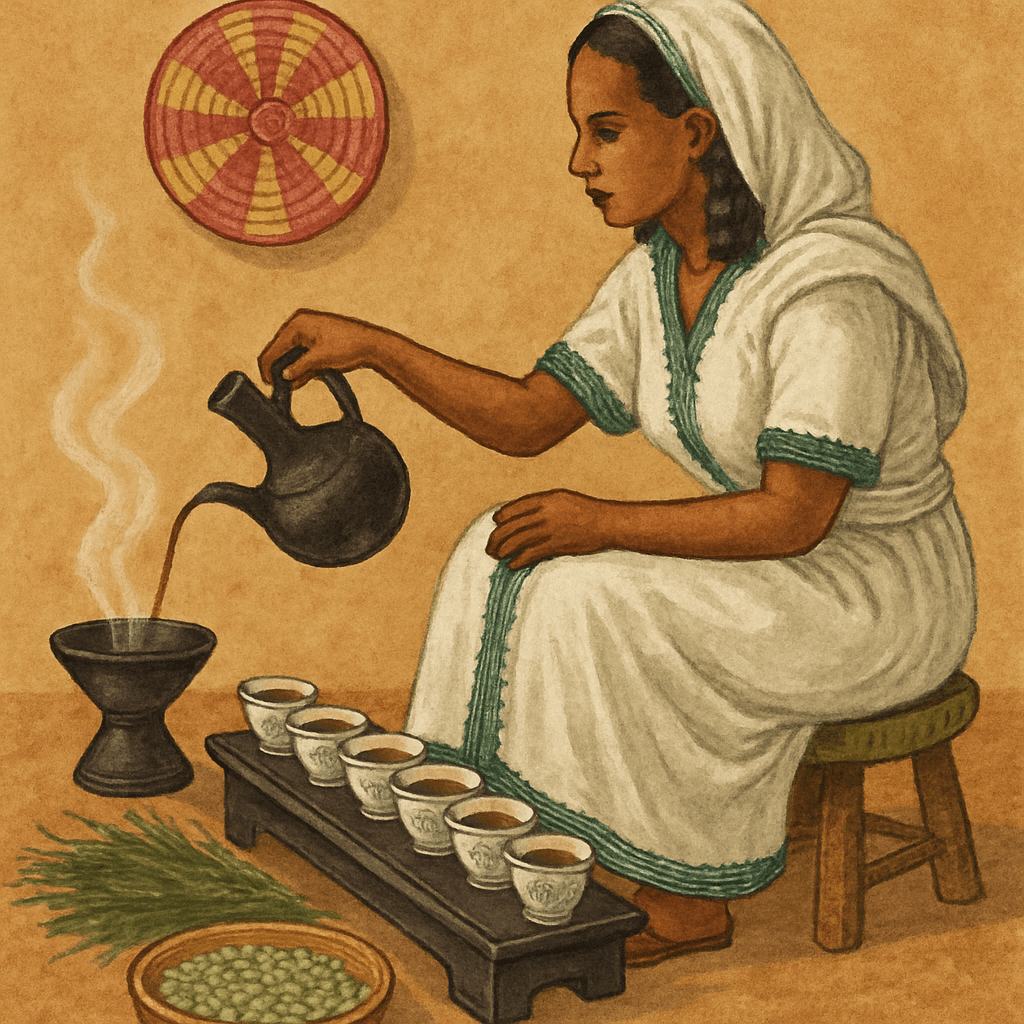
In the modern era, coffee culture continues to evolve. Specialty coffee shops highlight sustainable sourcing and unique brewing methods.
Coffee festivals attract enthusiasts globally, celebrating the diversity of flavors and traditions.
As you savor your next cup, remember the rich history and cultural significance behind every sip.
Understanding coffee’s journey enriches the experience, connecting you with centuries of tradition.
Let’s explore further into the types and origins of these fascinating beans.
Understanding Coffee Beans: Types and Origins
Every great cup of coffee begins with the bean. Coffee beans are not actually beans. They are seeds from the fruit of the coffee plant.
The two primary types of coffee beans are Arabica and Robusta. Each type offers distinct flavors and characteristics.
Arabica beans are renowned for their sweet and soft flavor. They have a higher acidity compared to Robusta.
About 60% of the world’s coffee production comes from Arabica. It’s often associated with high-quality coffee.
Robusta beans have a stronger, harsher flavor. They are known for their bitter and nutty taste.
Robusta is more resistant to pests and can be grown at lower altitudes. This makes them cheaper to produce.
Let’s explore the main characteristics of each:
- Arabica Beans: Sweet, soft flavor, higher acidity, grown at high altitudes
- Robusta Beans: Strong, bitter taste, disease-resistant, grown at low altitudes
Various regions provide unique flavor profiles. Ethiopian coffees often have floral notes, while Brazilian coffees are nutty.
The terroir, which includes soil, altitude, and climate, influences taste. Central American beans often have citrusy or chocolatey notes.

Origin also impacts the aroma of the coffee. Yirgacheffe from Ethiopia is fragrant, while Sumatra’s beans are earthy.
Understanding these differences helps in appreciating coffee more fully. It adds an element of exploration to your everyday brew.
In recent years, single-origin coffees have gained popularity. They highlight the nuances from specific regions.
Coffee aficionados often seek out these single-origin beans for their distinct flavors. This practice also encourages sustainable farming.
Whether you favor the smoothness of Arabica or the intensity of Robusta, knowing the type and origin enriches your coffee experience.
As you enjoy your next cup, think of the journey and care that each bean has undergone. Every sip carries the story of its region.
The Science Behind Coffee Brewing
Brewing coffee is an art and a science. Understanding the chemistry involved can drastically improve your brew.
The process starts with water dissolving the soluble compounds in coffee grounds. Proper extraction is crucial.
Extraction affects flavor. Under-extracted coffee tastes sour, while over-extraction results in bitterness.
Water temperature plays a vital role. The ideal range is typically between 195°F to 205°F (90°C to 96°C).
Too hot water extracts bitter compounds. Conversely, cooler water might not extract enough flavors.
Grind size also influences brewing. Finer grinds extract faster, while coarse grinds need longer brewing.
Different brewing methods require different grind sizes. For example:
- Espresso: Very fine grind
- French Press: Coarse grind
- Drip Coffee: Medium grind

Time is a key variable. Too long or short brewing alters flavor profiles.
Brewing time should match grind size and method. Balance ensures optimal extraction and taste.
Agitation affects flavor release. Stirring or swirling grounds can promote even extraction.
Consistency in your method helps achieve desired results. Changing variables one at a time helps refine your brew.
Roast level also impacts coffee’s chemistry. Dark roasts have more soluble oils, affecting extraction.
Understanding these scientific principles helps you troubleshoot and perfect your coffee. Experiment to find your ideal brew profile.
Whether you’re using a Keurig coffee maker or a traditional method, these scientific insights can enhance every cup.
Essential Equipment for Brewing Coffee at Home
Creating a great coffee brew requires the right tools. Investing in quality equipment makes a noticeable difference.
First, consider a good coffee grinder. Freshly ground beans release superior aroma and taste.
A burr grinder is preferred. It provides uniform grind size for even extraction.
Precision scales are essential. Accurate measurements of coffee and water ensure consistent results.

A thermometer helps monitor water temperature. Consistency in temperature enhances coffee flavor.
Brewing devices vary. Explore options like French presses, espresso machines, and pour-over drippers.
Each device offers unique taste profiles and requires different skills. Choose one that suits your style.
Some home brewers might lean towards high-tech espresso machines. Others might prefer simpler drip coffee makers.
Water quality influences the end result. Consider using a water filter to eliminate impurities.
Other useful tools include milk frothers, kettle with a gooseneck spout, and a coffee scale.
Here’s a quick checklist for essential coffee equipment:
- Burr Grinder
- Coffee Scale
- Thermometer
- French Press or Drip Coffee Maker
- Water Filter

Selecting the right equipment is crucial for coffee lovers. It allows you to craft a brew tailored to your preferences.
With these essentials, your home coffee experience will significantly improve. Enjoy exploring different brewing techniques.
Spotlight: The Keurig Coffee Maker
The Keurig coffee maker offers convenience and consistency. It’s a popular choice for those seeking efficiency.
This machine uses single-use pods for brewing. These pods come in various flavors and roasts.
Brewing with a Keurig is simple and fast. Insert a pod, push a button, and enjoy your coffee in minutes.
The Keurig’s design minimizes mess and cleanup. It’s perfect for busy mornings or quick coffee breaks.
A variety of pod options exist. Users can explore different brands and flavors, from light roasts to bold blends.
Key features of the Keurig include:
- One-touch brewing
- Adjustable cup sizes
- Wide selection of coffee pods
- Automatic off feature for safety

Despite its convenience, the Keurig faces criticism. Environmental concerns arise due to non-recyclable pods.
Nevertheless, reusable pods offer a sustainable alternative. They allow you to use your favorite ground coffee.
Overall, the Keurig coffee maker is ideal for those who value time efficiency and a straightforward brewing process. It brings café-style coffee to your home with minimal effort.
Step-by-Step Guide to Brewing the Perfect Coffee
Perfect coffee starts with the right ingredients and technique. Whether you’re a novice or a pro, understanding the process is key.
Begin with fresh, high-quality beans. They’re the foundation of a flavorful cup.
Measure the right coffee amount. Use a coffee scale for precision.
Next, grind the beans to the desired consistency. A medium grind suits most brewing methods.
Water temperature is crucial. Aim for 195°F to 205°F to maximize flavor extraction.

Use the correct coffee-to-water ratio. For a standard brew, a 1:15 ratio is ideal.
Preheat your coffee maker and cups to retain heat. This step enhances the brew’s warmth and aroma.
Pour the water evenly over the coffee grounds. Ensure all grounds are saturated.
Allow the coffee to steep for the right duration. Steeping times vary based on the method.
Decant immediately after brewing to prevent over-extraction. Serve and savor your perfectly brewed coffee.
Essential Brewing Steps:
- Measure coffee and water precisely.
- Grind beans fresh.
- Heat water to optimal temperature.
- Use correct coffee-to-water ratio.
- Preheat equipment and steep accordingly.
Selecting the right coffee beans is a personal journey. Explore different varieties and roasts to find your preference.

Ensure proper equipment maintenance. Regular cleaning extends the life of your coffee maker.
Experimentation leads to perfection. Don’t hesitate to adjust variables like grind size and steeping time.
Brewing Methods: From French Press to Pour Over
Brewing methods influence your coffee’s taste. Each method brings unique characteristics to the final cup.
The French Press is a popular choice. It produces a rich, full-bodied brew.
Using coarse grounds, a French Press requires a longer steeping time. It’s simple yet rewarding.
The Pour Over technique is admired for its control and precision. It highlights the beans’ nuances.
A gooseneck kettle is essential for this method. It allows for an even and slow pour.
Drip coffee makers offer convenience. They are automatic and produce consistent results.
Espresso machines craft a concentrated shot. They require skill and practice but deliver intense flavor.
Cold brew is refreshing and less acidic. It involves steeping coffee in cold water for extended periods.
Popular Brewing Methods:
- French Press: Rich and robust
- Pour Over: Nuanced and controlled
- Drip Maker: Consistent and easy
- Espresso: Intense and concentrated
- Cold Brew: Smooth and mellow

Your choice depends on your taste and lifestyle. Try various methods to find your perfect brew.
Method experimentation can surprise you. Each offers distinct flavors and experiences.

Mastering multiple methods enhances your coffee experience. Share your knowledge and delight others.
Troubleshooting Common Coffee Brewing Issues
Sometimes, coffee brewing doesn’t go as planned. But minor adjustments can resolve most problems.
If your coffee tastes sour, it could be under-extracted. Try grinding finer or using hotter water.
For bitter coffee, over-extraction is the likely culprit. Consider using a coarser grind or shortening brew time.
Weak coffee often means too little coffee or improper grind size. Adjust measurements or grind finer.

If your coffee is too strong, try a less coffee-to-water ratio or grind coarser.
Maintain your equipment. A clean coffee maker ensures consistent taste.
Common Brewing Issues and Solutions:
- Sour taste: Finer grind, hotter water
- Bitter taste: Coarser grind, shorter time
- Weak taste: More coffee, finer grind
- Strong taste: Less coffee, coarser grind
Evaluate your technique consistently. Small changes in brewing can greatly affect taste.
Regularly check your equipment for wear and tear. It ensures effective brewing and extends appliance lifespan.
With these tips, you can troubleshoot most coffee issues. Enjoy a perfect cup every day.
Creating the Ideal Coffee Table Experience
Crafting a coffee table experience means setting a scene. It’s about more than just the drink.
Your coffee table is a reflection of your style. Keep it functional yet inviting.
Start with a good coffee table, one that suits your space and needs. Consider both design and durability.
Next, accessorize with items that inspire relaxation. A stack of interesting books adds intellectual appeal.
Add coasters to protect your table. They are practical and offer a touch of personal flair.

Comfort is key in your coffee setting. Plush pillows or throws make the area cozy.
Lighting affects ambiance. Soft, warm lights create a soothing atmosphere.
Art pieces or plants can also enhance the space. They add life and vibrancy.
Elements of an Ideal Coffee Table Experience:
- Stylish, durable table
- Interesting books or magazines
- Comfortable seating
- Soft, warm lighting
- Decorative art or plants

Keep your coffee table clutter-free. It should be inviting, not overwhelming.
Update your coffee table decor seasonally. This keeps it fresh and engaging.
Your ideal coffee table space sets the mood for relaxation or conversation. Enjoy your coffee moments in style.
Coffee and Health: Myths and Facts
Coffee’s impact on health is a topic full of debates. Myths often distort the facts.
One common misconception is that coffee causes dehydration. It’s actually a mild diuretic but still hydrating.
Another myth is that coffee is addictive. While it can create dependence, it lacks the hallmarks of true addiction.
Coffee is often said to stunt growth. There is no scientific evidence supporting this claim.

Many believe coffee causes heart disease. Yet, moderate consumption has shown no adverse effects on heart health.
Coffee, in fact, has several health benefits. It is rich in antioxidants which support overall wellness.
Real Benefits of Coffee:
- Provides essential nutrients like magnesium
- May reduce the risk of Type 2 diabetes
- Supports brain function and might lower the risk of Alzheimer’s
Though coffee can raise blood pressure, the effect is usually temporary. Regular drinkers often develop a tolerance.
Moderation is key when it comes to coffee. Consuming it in excess can lead to negative health impacts.

The notion that coffee alone determines health is simplistic. Diet and lifestyle are broader influences.
In sum, coffee can be part of a healthy lifestyle. As with any food or drink, balance remains vital.
Sustainable Coffee: Ethical Sourcing and Eco-Friendly Practices
Sustainability in coffee production is gaining attention. Ethical sourcing is crucial for fair labor and environmental care.
Fair Trade certifications ensure farmers receive just compensation. This helps improve their quality of life.
Coffee farming can harm ecosystems if done poorly. Sustainable methods aim to preserve these natural resources.
Eco-friendly practices, like shade-grown coffee, reduce environmental impact. They also protect biodiversity in coffee-growing regions.

Sustainability extends beyond farming to processing. Water-efficient processing methods can conserve resources.
Consumers play a role too. Choosing brands that prioritize sustainability supports the planet and communities.
Eco-Friendly Coffee Practices:
- Use of biodegradable packaging
- Implementation of renewable energy in production
- Promotion of wildlife conservation through responsible farming
Shade-grown coffee offers more than environmental protection. It ensures soil remains fertile and supports wildlife.
Rainforest Alliance is one such certification to look for. It verifies that coffee is grown sustainably.

Sustainable coffee supports conservation, community, and climate. Each cup is a step toward a better planet.
Conclusion: Elevate Your Coffee Ritual
Coffee is more than a daily beverage. It is a rich experience that connects cultures and traditions.
To brew the perfect cup, every detail matters. From selecting quality beans to mastering brewing techniques, every step enhances flavor.
Creating a coffee ritual adds to the enjoyment. This involves more than just brewing; it encompasses the entire experience.
An ideal coffee ritual includes mindful moments. Savor the aroma and appreciate the craftsmanship in every sip.
Your coffee table can transform the experience. Set the scene with a clean, inviting space to relax and enjoy.
Ways to Elevate Your Coffee Ritual:
- Experiment with different brewing methods
- Incorporate meditation or quiet moments
- Share your coffee experience with friends
With the right equipment and knowledge, home brewing can rival any café. It gives you full control over taste and strength.
By adopting sustainable practices, your ritual supports the planet. It reflects a deeper connection to the world.
As you continue exploring the art of coffee, remember to enjoy the journey. Every cup holds a story waiting to unfold.
This is your opportunity to create a personal experience. Let each brew be an expression of creativity and passion.