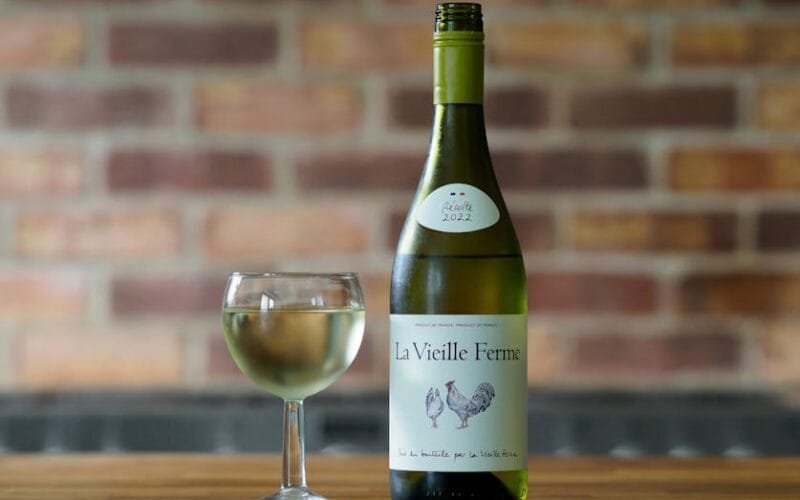
If you’ve ever wondered how to preserve natural wines without a cellar, you’re not alone. These unfiltered, minimally processed bottles are delicate beasts—prone to oxidation, temperature swings, and the slow unraveling of their wild, untamed character. The question isn’t just about keeping them safe; it’s about holding onto their essence. Take the Chardonnay en quatre vis from Marnes Blanches you’ve had in your cabinet for months. Is that bottle still singing? Or has the warmth of your home turned it into a muted echo?
Natural wines thrive in controlled environments, but your kitchen isn’t a wine vault. Temperatures above 20°C accelerate chemical reactions, dulling fruit and introducing off-flavors. A cold cabinet—cooler than your home but not freezing—might seem like a compromise, but it’s a gamble. The problem? Natural wines lack the stabilizing sulfites found in conventional vintages. Without them, even slight temperature fluctuations can trigger oxidation, turning vibrant acidity into astringency.
So what’s the fix? A fridge is ideal, but space is a luxury. If you’re stuck with a cabinet, consider a temperature-controlled wine fridge or a dedicated cooling unit. For unfinished bottles, vacuum pumps like Vacuvin or wine preservators (the gas spray) can slow oxidation, but they’re not a miracle worker. Natural wines are living things—they evolve, and sometimes that evolution is beautiful. Use these tools sparingly, and always prioritize airtight seals.
The real takeaway? Don’t romanticize storage. Treat natural wines like rare artifacts: handle them with care, but don’t overthink it. Let them breathe, but keep them cool. And if you’re curious about how your Chardonnay is aging, maybe it’s time to open another bottle and find out.
What’s your go-to method for storing natural wines.
What’s your go-to method for storing natural wines? Share your hacks below.
Questions & Answers
How long does natural wine last once opened?
Natural wine typically lasts 3–5 days after opening. It oxidizes faster than conventional wine due to lower sulfur levels. Store in a cool, dark place to slow degradation.
What’s the best way to store natural wine?
Store natural wine in a cool, dark place with minimal temperature changes. Keep bottles upright to prevent oxidation and use a wine stopper to seal tightly.
Information sourced from industry reports and news outlets.