⏱ 2 min read
The Short Version
Biodynamic coffee farming at El Equimite blends science and ecology, using lunar cycles and fungi to enhance flavor and combat disease, proving sustainability can be both precise and powerful.
In This Article
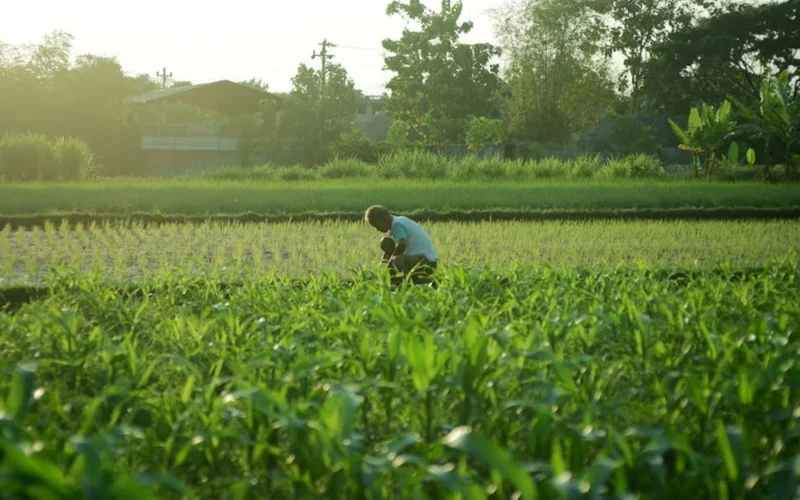
Real talk: Biodynamic coffee farming isn’t about mysticism—it’s about precision, ecology, and rethinking the relationship between land and labor. At El Equimite, a 34-hectare farm in Coatepec, Mexico, the practice is a blend of scientific rigor and ecological awareness, creating a system where the land is both a partner and a participant in the harvest. Here, farmers like Gibrán Cervantes and Germán García aren’t just growing coffee—they’re rebuilding ecosystems.
We are opening a dialogue between the plant world and animal world.
The Alchemy of Soil and Cosmos
Biodynamic farming treats the farm as a self-sustaining web of energy, where planetary rhythms and microbial life are as vital as sunlight and water. At El Equimite, coffee is harvested during full moon cycles, when lunar gravity is said to influence the movement of sugars from roots to fruit—a phenomenon that TBL participants experienced firsthand. “The coffee cherry is sweet and balanced,” noted Kirill Gorelov, describing the fruit’s flavor after the moon’s pull. This isn’t whimsy; it’s a calculated interplay between celestial forces and plant biology. The farm’s 50% tree cover amplifies humidity, fostering growth but also inviting threats like coffee leaf rust. To combat this, El Equimite uses beneficial fungi to outcompete pathogens, proving that biodynamic methods aren’t just spiritual—they’re strategic.
Rituals That Rewire the Earth
The fladen ritual at El Equimite is a masterclass in turning raw materials into functional compost. Cow manure, ground eggshells, and basalt dust are mixed with fermented plant preparations, then aerated with shovels and drums. “This is going to change the destiny of this manure,” said Gibrán Cervantes, explaining how motion and intention transform waste into fertile soil. The process isn’t just about decomposition—it’s about communication. Preparations like yarrow in a deer bladder or oak bark in a skull cavity are believed to stimulate microbial activity and nutrient cycles. While some may dismiss this as metaphor, the results are undeniable: higher biodiversity, improved soil health, and a carbon-sequestering farm that’s a haven for 54 bird species. We are opening a dialogue between the plant world and animal world. What if the next revolution in coffee wasn’t about beans but about how we see the land? Would you trade a few more yields for a farm that thrives beyond harvest season?
Questions & Answers
How does biodynamic farming influence coffee harvest timing?
Biodynamic farming influences coffee harvest timing by aligning it with lunar cycles. At El Equimite, coffee is harvested during full moon phases, when lunar gravity is believed to enhance sugar movement in the plant. This method is part of a calculated approach to optimize flavor and yield.
What role do rituals play in biodynamic coffee farming?
Rituals in biodynamic coffee farming, like the fladen process, transform organic waste into fertile compost. At El Equimite, cow manure, eggshells, and basalt are mixed with fermented preparations and aerated with tools and drums. This process is seen as a form of communication with the soil to enhance microbial activity and nutrient cycles.
Why is tree cover important in biodynamic coffee farms?
Tree cover is important in biodynamic coffee farms because it regulates humidity and supports ecosystem balance. At El Equimite, 50% tree cover helps maintain moisture levels, fostering growth but also posing challenges like coffee leaf rust. Beneficial fungi are used to combat these threats, demonstrating the strategic nature of biodynamic practices.
How do biodynamic practices combat coffee leaf rust?
Biodynamic practices combat coffee leaf rust by using beneficial fungi to outcompete pathogens. At El Equimite, these fungi are integrated into the farm’s ecosystem, reducing the need for chemical interventions. This approach highlights the strategic and ecological focus of biodynamic farming in maintaining plant health.
Originally reported by Barista Magazine.