⏱ 2 min read
The Short Version
Specialty coffee has officially hit parity with traditional brews as espresso and cold formats surge. While total volume is slightly down, consumers are trading basic drips for premium experiences, fueled by a record-breaking spike in app-based ordering.
Sixty-six percent of U.S. adults consumed coffee within the past day this summer, maintaining a steady baseline even as consumer preferences shifted toward more premium formats. According to the National Coffee Association’s (NCA) Fall 2026 National Coffee Data Trends report, while total consumption remained flat, the appetite for specialty options is climbing. Daily specialty coffee consumption rose to 48%, up from 47% in January, signaling a move away from traditional brews.
As cold or iced coffee accounted for 21% of coffee consumed in the past day, it continues to gain ground against hot coffee, which fell to 71% from 78% in January.
The Rise of Espresso and Cold Formats
Espresso-based beverages are providing the primary engine for growth within the specialty sector. A record 47% of U.S. adults reported consuming an espresso-based drink within the past week, a significant jump from 40% in 2022. This category includes lattes and espressos, which each reached 20% weekly consumption, followed by cappuccinos at 17%. As cold or iced coffee accounted for 21% of coffee consumed in the past day, it continues to gain ground against hot coffee, which fell to 71% from 78% in January. This preference for chilled variety is fueled by rising numbers in both cold brew (21%) and frozen blended drinks (18%).
This shift has created a major industry milestone: at the past-week level, specialty coffee and traditional coffee have reached parity. While traditional coffee reach slipped from 62% to 59%, specialty coffee climbed to 59%, marking a direct tug-of-war between old favorites and new premium trends.
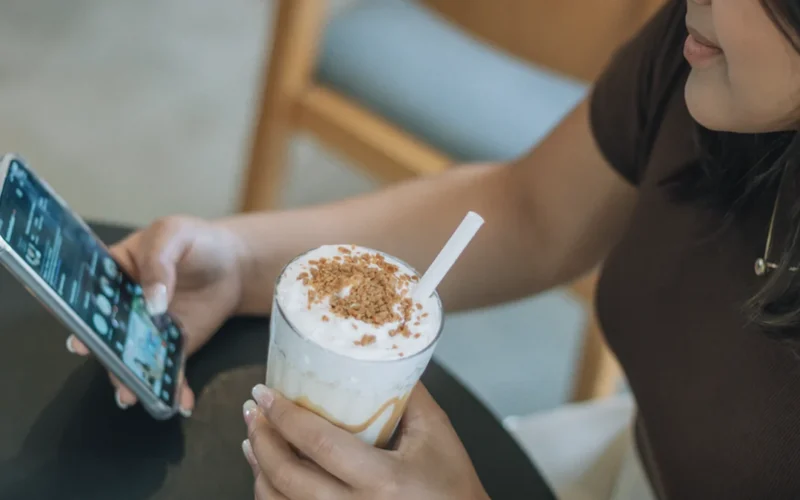
The shift toward specialized preparation isn’t limited to flavor profiles but extends to how people access their caffeine. Out-of-home drinking has rebounded to its highest level since before the COVID-19 pandemic lockdowns, with 38% of daily coffee drinkers purchasing outside the home. For those on the move, digital convenience is becoming the standard; among recent out-of-home purchasers, a record 40% ordered through an app.
Shifting Retail Channels and Preparation Methods
Retailer footprints are also evolving as consumers change where they stock their pantries. Grocery stores remain the primary channel for home preparation, though their share fell to 35% from 42% in January. Conversely, mass merchandisers climbed to 28%, up from 23% in the same period.
Despite the surge in specialty formats, automatic drip machines remain the most common past-day preparation method at 38%. The data shows that while Americans are consuming slightly less volume—averaging 2.6 cups per day compared to 2.8 in January—the composition of those cups is changing. Consumers are increasingly trading traditional brews for higher-engagement formats like espresso or cold brew.
Is the rise in app ordering making it easier to discover new specialty roasters, or is it just reinforcing existing habits?
Questions & Answers
How is coffee consumption changing in the United States?
Coffee consumption in the United States is shifting from traditional brews toward more premium specialty formats. While total consumption levels have remained steady, daily specialty coffee consumption rose to 48% this summer, up from 47% in January. This trend is characterized by a move away from standard coffee toward higher-engagement options like espresso-based drinks and chilled varieties. As a result, specialty coffee and traditional coffee consumption have reached parity, with both categories reaching 59% at the past-week level.
What are the most popular types of specialty coffee drinks?
Espresso-based beverages and cold coffee formats are currently the most popular specialty coffee options among U.S. adults. A record 47% of adults reported consuming an espresso-based drink within the past week, with lattes and espressos each reaching 20% weekly consumption. Cold coffee is also gaining significant ground, as iced options accounted for 21% of coffee consumed in a single day. This preference for chilled variety is specifically driven by the rising popularity of cold brew and frozen blended drinks.
Why are more people using mobile apps to purchase coffee?
People are increasingly using mobile apps to order coffee because digital convenience has become the new standard for those drinking coffee outside the home. Out-of-home drinking has rebounded to its highest levels since before the COVID-19 pandemic, with 38% of daily drinkers purchasing their beverages at retail locations. Among these recent out-of-home purchasers, a record 40% now utilize mobile applications to place their orders. This shift highlights a growing consumer demand for streamlined and efficient ways to access caffeine on the go.
Where are Americans primarily buying coffee for home use?
Grocery stores remain the primary retail channel for coffee intended for home preparation, although their market share has seen a recent decline. While grocery stores still lead the way, their share of the market fell to 35% from 42% earlier in the year. During this same period, mass merchandisers saw an increase in popularity, climbing from a 23% share to 28%. Despite these changes in where people shop, automatic drip machines remain the most common method used for preparing coffee at home.
Originally reported by Daily Coffee News.