⏱ 1 min read
The Short Version
Forget cloying syrups; Sacramento’s coffee innovators are using molecular science to redefine flavor. By co-fermenting coffee cherries directly with ingredients like watermelon, local shops are engineering sophisticated, structural tastes that prioritize natural potential over artificial additives.
Consider this your morning briefing: Sacramento’s coffee scene is no longer just playing catch-up to Portland; it is carving out its own identity through high-concept experimentation. While many shops cling to the safety of an oat milk latte, a handful of local innovators are using science and seasonal ingredients to push boundaries. This isn’t about masking poor beans with heavy syrups—it’s about leveraging flavor technology to create something entirely new.
If people are gonna take that leap of faith to try something new, you have to dial it in beforehand.
The Art of Controlled Flavor
At Camp Cove, the approach to innovation is rooted in rigorous testing. Owner John Rubel understands that when customers step outside their comfort zone for a carrot cake latte or an Aussie tim-tam latte, they require consistency. If people are gonna take that leap of faith to try something new, you have to dial it in beforehand. By balancing these adventurous menus with reliable staples like Amigo beans from El Salvador, the shop ensures that curiosity doesn’t come at the expense of quality. Similarly, Tupi Coffee offers the Moreno, a sophisticated evolution of the Mexican mocha that swaps cloying syrups for honey and cinnamon to achieve a balanced, warming profile.
Engineering Taste via Co-Fermentation
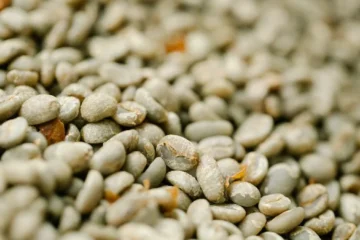
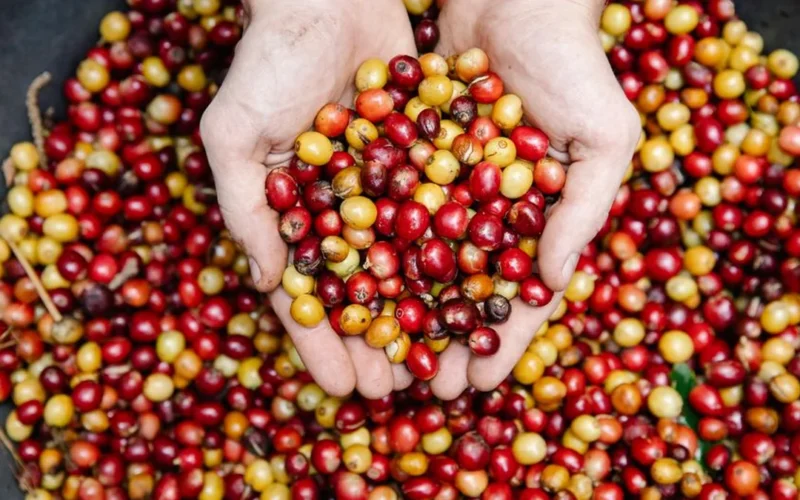
The most technical shift is happening at Anchor & Tree, where owner Donovan Albert treats coffee as a canvas for co-fermentation. Rather than adding flavor after the roast, his team introduces elements like watermelon directly into the fermentation tanks with the coffee cherries. Because green coffee acts like a sponge, this process allows flavors to be absorbed at a molecular level. This results in drinks like the Watermelon Cream Soda latte, which maintains its structural integrity through sparkling water and vanilla cold foam rather than drowning in sugar. It is a precise, software-driven method that prioritizes the bean’s natural potential over artificial additives. What is the most unexpected flavor you have ever encountered in a specialty coffee?
Questions & Answers
How does co-fermentation change the flavor of coffee beans?
Co-fermentation changes coffee flavor by introducing ingredients like watermelon directly into the fermentation tanks with the coffee cherries. This process works because green coffee acts much like a sponge, allowing specific flavors to be absorbed at a molecular level during production. Rather than adding syrups after the roasting process is complete, this technical method uses science to integrate tastes into the bean itself. This results in sophisticated drinks like watermelon cream soda lattes that rely on natural profiles instead of heavy artificial additives.
What are some unique coffee drink innovations found in Sacramento?
Sacramento coffee shops are offering highly creative drinks such as carrot cake lattes, Aussie tim-tam lattes, and watermelon cream soda lattes. These innovative beverages move beyond standard offerings by using seasonal ingredients and advanced flavor technology to redefine the specialty coffee experience. For example, Tupi Coffee serves the Moreno, which reimagines the traditional Mexican mocha by utilizing honey and cinnamon instead of heavy syrups. These unique creations allow local cafes to establish a distinct identity through high-concept experimentation and scientific precision.
Why do local coffee shops balance experimental drinks with classic options?
Local coffee shops balance experimental menus with reliable staples to ensure that customer curiosity does not come at the expense of consistent quality. When innovators introduce adventurous flavors like carrot cake or tim-tam, they must provide a sense of stability through dependable products. For instance, Camp Cove maintains this balance by offering unique lattes alongside high-quality Amigo beans from El Salvador. This strategy allows customers to feel comfortable stepping outside their usual routines while still having access to the familiar flavors they expect.
How does Tupi Coffee improve upon the traditional Mexican mocha?
Tupi Coffee improves the traditional Mexican mocha by replacing cloying, sugary syrups with a more sophisticated combination of honey and cinnamon. This approach aims to create a much more balanced and warming flavor profile for the customer. By swapping out heavy artificial sweeteners for these natural ingredients, the shop achieves a refined version of the drink known as the Moreno. This method aligns with the broader trend in Sacramento where baristas prioritize complex taste profiles over simple sweetness through thoughtful ingredient selection.
Originally reported by Barista Magazine.