⏱ 1 min read
The Short Version
Roasting coffee in a popcorn popper risks scorching delicate beans due to its inconsistent heat and lack of control, turning a bright Ethiopian blend into a bitter mess. Stick to drum roasters or adjust your popper technique for better results.
In This Article
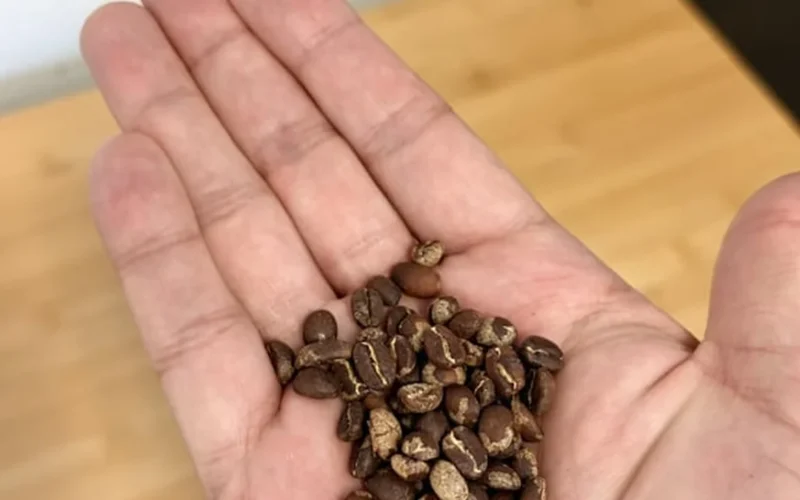
First roast with a popcorn popper? The beans appeared overdone—but this isn’t a sign of failure. The Nostalgia popper’s design prioritizes power over precision, leaving you with little control over heat distribution. The absence of a clear first crack suggests the beans didn’t reach the necessary temperature threshold. You adhered to standard practices: lid open, moderate stirring. Yet, the popper’s limitations are intrinsic to its function.
Popper roasting is a high-risk, high-reward experiment.
The Popper’s Limits
These devices were engineered for popcorn, not coffee. Their heat distribution is inconsistent, and the beans are confined in a small space, increasing the risk of scorching. The Ethiopia Uraga Gogogu you used? A bright, floral bean that demands careful handling. Roasting it in a popper is akin to trying to bake a soufflé in a microwave—your efforts are constantly at odds with the tool’s design.
Bean Origins, Roast Outcomes
Sweet Maria’s Uraga Gogogu thrives in low-altitude farms, where sun-drenched beans develop a natural sweetness. But that same characteristic makes them sensitive to heat. A popper’s rapid heating can strip away those delicate notes before you even notice. Without a temperature probe, you’re navigating blind. If the beans look scorched, it’s not a failure—it’s a signal to adjust.
Popper roasting is a high-risk, high-reward experiment.
Next time, consider a drum roaster or a dedicated coffee machine. But if you’re sticking with the popper, refine your approach. Begin with a lower heat setting and keep a close eye on the beans. What’s your take on popper roasting? Have you ever pulled it off?
Questions & Answers
Why did my beans turn out overdone in the popper?
The beans turned overdone because the popper prioritizes power over precision, leading to uneven heat distribution. The Nostalgia popper’s design lacks control, making it difficult to reach the right temperature without scorching the beans.
Can a popper roast coffee beans successfully?
Popper roasting can work, but it's high-risk due to inconsistent heat distribution. The popper’s rapid heating can strip delicate notes from beans like the Ethiopia Uraga Gogogu, which requires careful handling and a temperature probe for better control.
How does a popper roast differ from a proper coffee roaster?
A popper roast differs by being designed for popcorn, not coffee. It heats too quickly and confines beans in a small space, increasing scorching risks. Proper roasters offer better temperature control and heat distribution for coffee beans.
What should I do if my beans look scorched in the popper?
If your beans look scorched, it's a signal to adjust, not a failure. Start with lower heat settings and monitor closely. The popper’s limitations mean you need to compensate by being attentive and refining your approach.
Originally reported by Reddit Coffee Roasting.