

⏱ 1 min read
The Short Version
Native fungi living inside coffee cherries can act as internal processing plants, boosting sucrose levels and infusing standard beans with vanilla and cinnamon notes. This microbial engineering could turn low-scoring commodity crops into high-value specialty coffee, provided we can master the science at scale.
In This Article
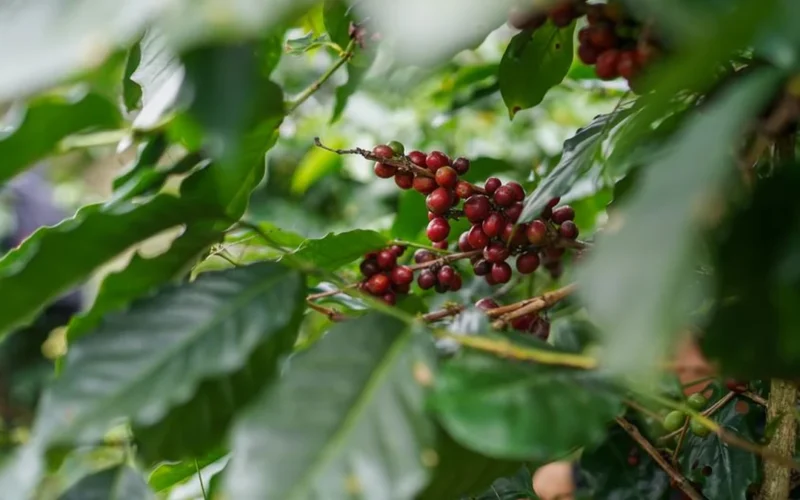
This might just change your routine: researchers have discovered a way to bridge the gap between commodity beans and specialty excellence using biology already present in the cherry. A recent study from the Kunming Institute of Botany suggests that specific native fungi can act as internal processing plants, fundamentally altering the chemical makeup of coffee during development.
The KQ2-fermented coffee also showed 17% higher sucrose content.
Microbial flavor engineering
Unlike traditional fermentation, which introduces outside microbes after the fruit is depulped, these endophytic fungi live inside the healthy plant tissue throughout its growth. By isolating hundreds of strains from Yunnan Arabica cultivars, lead researcher Minghua Qiu identified a specific strain, Talaromyces funiculosus KQ2, that performs extraordinary work. When applied in controlled settings, this fungus broke down pectin and produced enzymes that significantly boosted the bean’s sensory profile. The KQ2-fermented coffee also showed 17% higher sucrose content. This biological intervention didn’t just add sweetness; it introduced a distinctive vanilla and cinnamon character to otherwise standard samples.
Beyond laboratory success
While the results are promising, moving from a petri dish to a high-volume mill presents significant hurdles. The research demonstrated that KQ2 could raise a coffee’s sensory score by an average of 1.5 points, but replicating this precision at scale remains unproven. Real-world processing involves massive batches of cherries with varying ripeness levels, making the delicate management of a single fungal strain difficult. Still, the study reinforces the idea that terroir is defined as much by microscopic life as it is by soil or altitude. If we can master these native microbial communities, we might see lower-scoring conventional coffees command much higher prices through targeted fermentation. This shift could provide a vital economic lift for farmers who currently lack the infrastructure for complex specialty processing. For now, the industry must watch closely to see if these lab-grown wins translate to the farm. Do you think controlled microbial fermentation will eventually become a standard tool for improving commodity coffee quality?
Questions & Answers
How can native fungi improve the quality of coffee beans?
Native fungi improve coffee quality by acting as internal processing plants that fundamentally alter the bean's chemical makeup during development. These endophytic fungi live inside healthy plant tissue and use enzymes to break down pectin, which enhances the sensory profile of the coffee. For example, a specific strain called Talaromyces funiculosus KQ2 was found to increase sucrose content by 17% while introducing distinctive flavor notes like vanilla and cinnamon into standard samples.
What is the difference between traditional fermentation and microbial flavor engineering?
Microbial flavor engineering uses endophytic fungi that live inside the plant tissue, whereas traditional fermentation introduces outside microbes after the coffee fruit has been depulped. This biological intervention allows for more targeted changes to the bean's development from within the healthy plant itself. By isolating specific strains like KQ2 from Yunnan Arabica cultivars, researchers can manipulate the chemical composition of the coffee through these naturally occurring internal microbial communities.
Why is it difficult to scale fungal fermentation in coffee mills?
Scaling fungal fermentation is difficult because real-world processing involves massive batches of cherries with varying levels of ripeness. While laboratory settings allow for high precision, managing a single delicate fungal strain across large volumes remains unproven and technically challenging. Maintaining the exact controlled environment required to replicate specific sensory improvements seen in petri dishes is much harder when dealing with the inconsistencies found in industrial-scale coffee production.
What economic benefits could targeted fermentation provide to coffee farmers?
Targeted fermentation can provide an economic lift by allowing lower-scoring conventional coffees to command much higher prices through improved quality. By using specific microbial communities to raise a coffee's sensory score, farmers may be able to transition commodity beans into the specialty market. This shift is particularly beneficial for producers who currently lack the expensive infrastructure required for traditional complex specialty processing methods but can utilize these biological interventions.
Originally reported by Daily Coffee News.



[…] volatility. From leadership pivots at major breweries to restructuring attempts within massive coffee chains, industry giants are navigating a high-stakes era of […]