

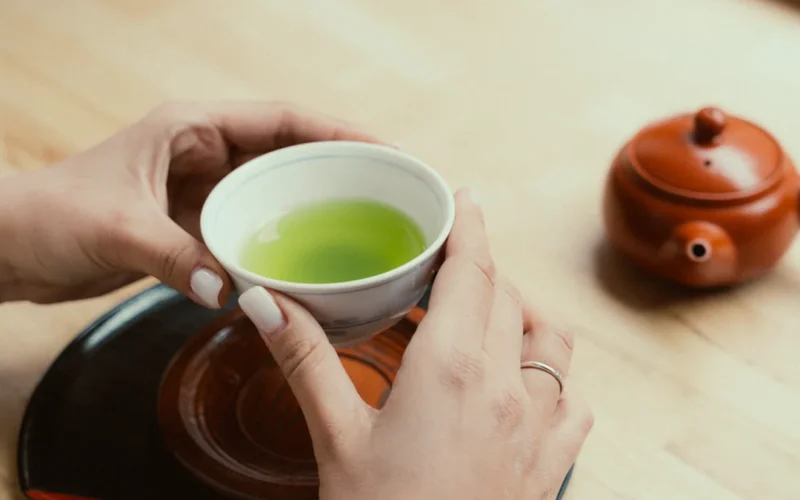
⏱ 2 min read
The Short Version
The global matcha obsession has sent wholesale prices skyrocketing, forcing farmers to abandon traditional crops for lucrative powders. This shift is quietly erasing affordable sencha from the market, threatening the very tea culture that once sustained local communities and institutions.
In This Article
Coffee lovers, wine enthusiasts, tea devotees—pay attention to what happens when a niche luxury becomes a global commodity. While the worldwide obsession with matcha has certainly elevated the profile of Japanese tea, it is creating a silent crisis for traditional drinkers. In Machida, Tokyo, the reality on the ground tells a story of scarcity rather than abundance. The massive demand for matcha is fundamentally altering the supply chain, leaving little room for the affordable sencha that serves as the daily staple for millions of Japanese people.
Wholesale prices have more than doubled in a year.
A Supply Chain Under Pressure
The economic ripple effects are immediate and severe. Wholesale prices for high-quality leaves have more than doubled in just twelve months, driven by the voracious appetite for green powder. This shift is forcing difficult decisions upon producers; some farmers are abandoning traditional varieties to cultivate tencha, while others find the transition too taxing and simply choose to retire or close their operations entirely. Wholesale prices have more than doubled in a year. As production shifts toward the lucrative matcha market, the availability of standard sencha is plummeting. This isn’t just a matter of higher grocery bills for enthusiasts. The loss of consistent, low-cost sencha hits the most vulnerable institutions hardest. Nursing homes, hospitals, and local restaurants rely on steady supplies of reliable, everyday tea to serve their communities. When these essential products vanish from the market because they cannot compete with the margins of ceremonial powders, the social fabric of tea culture begins to fray.
The Myth of Ceremonial Grade
Compounding this issue is a lack of transparency regarding what consumers are actually buying. Unlike many regulated food products, “ceremonial grade” holds no legal definition in Japan or the United States. It is a marketing term rather than a technical standard, meaning anyone can label a product as such regardless of its actual quality. This ambiguity allows lower-tier powders to be sold at premium prices, further distorting the market and obscuring the true value of authentic, single-origin leaves. While we celebrate the aesthetic of the bright green whisked bowl, we risk losing the essential foundation of Japanese tea tradition. Do you think the rise of trendy specialty ingredients justifies the loss of traditional staples?
Questions & Answers
Why is the popularity of matcha affecting the availability of sencha?
The massive global demand for matcha is fundamentally altering the tea supply chain and reducing the production of traditional sencha. As wholesale prices for high-quality leaves have more than doubled in a single year, many farmers are shifting their focus toward cultivating tencha to meet the lucrative matcha market. This economic shift makes it difficult for producers to maintain the steady supply of affordable sencha that millions of Japanese people rely on as their daily tea staple.
How does the rise of matcha production impact traditional tea farmers?
Matcha production forces traditional tea farmers to make difficult economic decisions regarding their crops and livelihoods. To keep up with market trends, some producers are abandoning traditional tea varieties in favor of tencha leaves used for green powder. Other farmers find the transition too taxing or financially difficult, leading them to retire or close their operations entirely. This movement away from variety toward single-commodity cultivation threatens the long-term diversity of Japanese tea traditions.
What is the legal definition of ceremonial grade matcha?
There is no official legal definition for the term ceremonial grade in either Japan or the United States. Instead, it functions as a marketing term rather than a technical standard used to distinguish product quality. This lack of regulation means that any producer can label their powder as ceremonial grade regardless of its actual grade or origin. Such ambiguity allows lower-tier powders to be sold at premium prices, which further distorts the global tea market.
Which institutions are most affected by the rising cost of everyday tea?
Nursing homes, hospitals, and local restaurants are the primary institutions impacted by the scarcity of low-cost sencha. These essential organizations rely on a steady, affordable supply of reliable everyday tea to serve their communities and residents. When high-margin matcha products dominate the market, these staple teas become harder to source at reasonable prices. This shift creates significant challenges for public and local services that depend on consistent access to traditional tea products.
Originally reported by Reddit Tea.


[…] a sensory map of two different histories. On one side, attendees sampled the nuanced spectrum of Chinese green, black, white, and oolong teas paired with traditional sweets. The other side featured the bold, […]
[…] clear of dairy, plant-based alternatives offer a slightly different equation. In studies involving matcha, cow’s milk caused the most significant drop in antioxidants, followed closely by soy. […]