

⏱ 2 min read
The Short Version
Even seasoned palates fall victim to "aromatic tunnel vision," where a single scent like mint or tomato leaf can completely mask a wine's true origin. To master blind tasting, you must stop chasing deceptive aromas and start prioritizing structural cues like acid, weight, and tannin.
In This Article
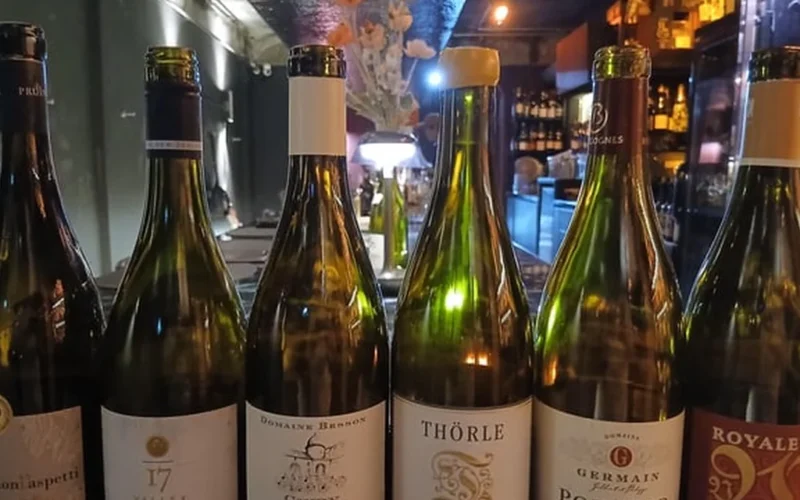
Real talk: even seasoned palates can be completely misled by a single aromatic note. A recent blind tasting session proved that what we think we know is often just our brain trying to find patterns where they don’t exist. When faced with high acidity and intense aromatics, my intuition frequently veered toward New Zealand or South Africa, only to be corrected by the reality of old-world terroir.
My intuition frequently veered toward New Zealand or South Africa, only to be corrected by the reality of old-world terroir.
The Trap of Aromatics
The first deception came from a wine defined by its minty profile and low alcohol. Driven by those sharp notes, I immediately pointed toward a Marlborough Sauvignon Blanc. While the reductive qualities and bell pepper character felt familiar, it was actually a different beast entirely. This tendency to latch onto a singular scent—like gooseberry or tomato leaf—can create a mental tunnel vision that ignores the broader structural cues of the liquid. My intuition frequently veered toward New Zealand or South Africa, only to be corrected by the reality of old-world terroir. The second challenge involved a deceptive Chenin Blanc. The aggressive acidity initially led me to guess a Stellenbosch origin, but the presence of buttery textures and lemon curd suggested something else. Even more jarring was the revelation of peanut butter aromas post-reveal, a characteristic that completely bypassed my initial assessment of green apple and pear. It serves as a reminder that secondary aromas can arrive late in the tasting process, often contradicting our first impressions.
Structure Over Scent
Perhaps the most significant error occurred during the red flight. Faced with dark fruit and a distinct tomato leaf aroma, I was certain I was holding a New Zealand Pinot Noir. However, the wine was actually a Gevrey Chambertin. By prioritizing the aromatic profile over the actual structure of the wine, I missed the medicinal, herbal undertones that pointed directly toward a German influence. To improve, we have to stop chasing scents and start analyzing how a wine sits on the palate. Relying too heavily on “smell-first” logic makes us vulnerable to wines that mimic regional archetypes without following their structural rules. We must learn to balance the nose with the weight, acid, and tannin that define true identity. When you find yourself stuck during a blind tasting, do you prioritize the aromatics or the structure?
Questions & Answers
Why can aromatics lead to mistakes during a blind wine tasting?
Aromatics can cause mistakes because they often create mental tunnel vision that leads tasters to latch onto a single scent. When someone focuses too heavily on a specific note, such as gooseberry or tomato leaf, they may ignore the broader structural cues of the liquid. This tendency causes the brain to search for patterns that do not exist, making it easy to misidentify a wine based on an intense aromatic profile rather than its true regional identity.
How can secondary aromas affect the initial assessment of a wine?
Secondary aromas can contradict first impressions by appearing later in the tasting process. For example, a taster might initially identify a Chenin Blanc through notes of green apple and pear, only to find that peanut butter aromas emerge after the reveal. These late-arriving scents serve as a reminder that the initial olfactory assessment may not capture the full complexity of the wine, potentially leading to an incorrect identification of its origin or style.
What is the difference between prioritizing aroma versus structure in wine tasting?
Prioritizing aroma involves chasing specific scents like mint or dark fruit, whereas prioritizing structure means analyzing how a wine sits on the palate. Relying too much on smell-first logic makes tasters vulnerable to wines that mimic regional archetypes without following their structural rules. To achieve better accuracy, tasters must balance the nose with essential elements such as weight, acidity, and tannins, which define the true identity of the wine beyond its initial scent.
How does terroir influence the identification of high-acid wines?
Terroir provides the structural reality that can correct intuition driven by intense aromatics. A taster might encounter high acidity and sharp scents that suggest a New Zealand or South African origin, but the actual wine may belong to an old-world region. By looking past regional archetypes like Marlborough Sauvignon Blanc and instead analyzing herbal undertones or medicinal qualities, tasters can better identify how specific geographic environments shape the final character of the liquid.
Originally reported by Reddit Wine.


[…] Beyond the Blind Tasting […]
[…] recent tasting with Boris and Xaver Kranz showcased how the estate has matured alongside its most famous site. Older […]
[…] creative through strategic blending. This approach allows baristas to engineer multi-dimensional sensory experiences by pairing specific profiles. At the 2023 World Barista Championship, winner Boram Um blended Gesha […]