⏱ 2 min read
The Short Version
A 2026 vintage white tea that looks and tastes like a seven-year-old aged harvest raises a provocative question: is this clever methodology or a curated illusion? This forest-floor profile blurs the line between natural maturation and the art of accelerated oxidation.
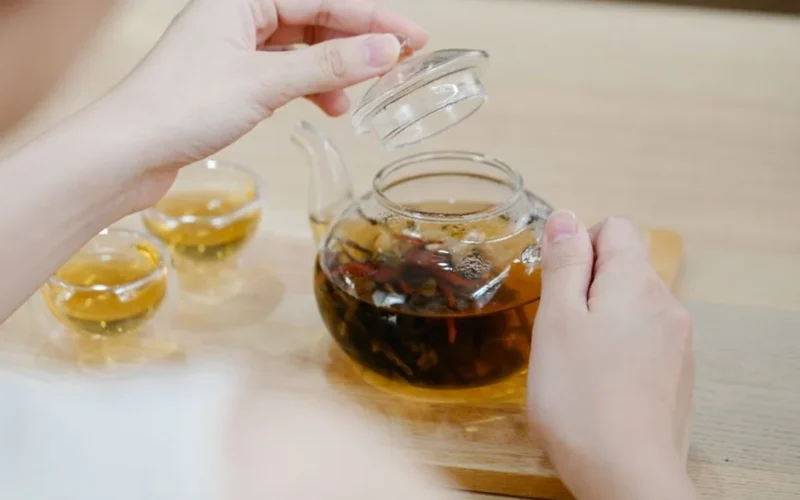
The Wu Liang Bai Cha from Yunnan Sourcing arrived as a 2026 vintage, yet its appearance tells a different story. Instead of the pale, bright clarity expected from a fresh spring harvest, the liquor presents a deep, forest floor brown. This visual profile is remarkably similar to what one would expect from a seven-year-old aged white tea, raising questions about how much of a tea’s character can be manipulated before it enters the realm of artificial aging.
The main colour of the tea is a deep, forest floor brown; something I'd expect in a 7 year old white tea.
Visual cues versus chronological age
While some Yue Guang Bai varieties exhibit a natural contrast between white buds and darkened leaves, this particular sample displays a uniform depth across the entire cup. It isn’t just a visual trick; the aroma and flavor hit with the same medicinal, herbal intensity found only in long-term matured harvests. The main colour of the tea is a deep, forest floor brown; something I’d expect in a 7 year old white tea.
This creates a strange tension between branding and reality. While the packaging very clearly states this is a spring 2026 tea, the liquid itself seems determined to evoke an entirely different era. In the tea industry, producers sometimes employ techniques to accelerate oxidation or mimic the effects of time through controlled moisture levels or temperature fluctuations. These methods allow a producer to evoke the feeling of an aged tea without waiting years for natural maturation.
Methodology and market niche
The debate over whether such practices constitute “cheating” or respected methodology remains unsettled. For some purists, true aging requires the slow, unpredictable passage of time. However, from a commercial standpoint, creating products that fill specific niches—such as those desiring the complexity of aged tea at a fresher price point—is a savvy move. This process allows a spring harvest to immediately capture the textural depth usually reserved for vintage collections.
Ultimately, if a tea like Wu Liang Bai Cha does not claim to be aged but clearly mimics the profile, it sits in a gray area of sensory intent. It forces us to consider where the line lies between honest production and curated illusion.
Do you prefer the bright clarity of fresh white teas, or do you seek out the medicinal depth of aged varieties?
Questions & Answers
Why does the Wu Liang Bai Cha look like an aged tea?
The Wu Liang Bai Cha displays a deep, forest floor brown liquor that mimics the visual profile of a seven-year-old aged white tea. Instead of the pale and bright clarity typically associated with a fresh spring harvest, this tea presents a uniform depth across the entire cup. This visual characteristic is accompanied by a medicinal and herbal aroma that matches the intensity found in long-term matured harvests, creating a sensory experience that contradicts its recent 2026 vintage status.
How do tea producers mimic the effects of aging?
Tea producers can mimic the effects of aging by employing specific techniques to accelerate oxidation or manipulate the tea's character. These methods often involve controlled moisture levels or specific temperature fluctuations to evoke the feeling of a matured harvest without waiting years for natural maturation. Such processes allow a fresh spring harvest to immediately capture the textural depth and complex flavor profiles that are usually reserved for much older vintage collections in the tea industry.
What is the commercial benefit of creating teas that mimic aged profiles?
Creating teas that mimic aged profiles allows producers to fill specific market niches by offering the complexity of aged tea at a fresher price point. This approach is a savvy commercial move because it provides consumers with the desired sensory characteristics of vintage tea without the long wait times required for natural aging. By using these methods, producers can offer products that possess the textural depth of aged varieties while still utilizing more recent spring harvests.
What is the debate surrounding accelerated tea aging methods?
The debate surrounding accelerated aging revolves around whether these production techniques constitute respected methodology or a form of cheating. Purists in the tea community argue that true aging requires the slow and unpredictable passage of time to develop character naturally. Conversely, others view these methods as a way to meet consumer demand for specific flavor profiles. This creates a gray area regarding where the line exists between honest production and a curated sensory illusion.
Originally reported by Reddit Puer Tea.