⏱ 1 min read
The Short Version
After decades of persistence, Kalmit became Germany’s first newly registered single-vineyard site since 1971. This limestone-rich slope defies convention, producing elite Grosses Gewächs quality across three distinct varieties: Riesling, Pinot Blanc, and Pinot Noir.
In This Article
Pour yourself a cup for this one: true terroir is rarely something that can be manufactured overnight. For Weingut Kranz, proving the worth of their Kalmit site took decades of dedication and a landmark legal victory. While Boris Kranz began focusing on the vineyard in the mid-1990s, it wasn’t until 2009 that Kalmit was officially recognized as an Einzellage. This made it the first newly registered single-vineyard site in Germany since the restrictive wine laws of 1971.
Kalmit is unusual in that three different varieties can be used to make a GG from this Grosse Lage.
The Geology of Greatness
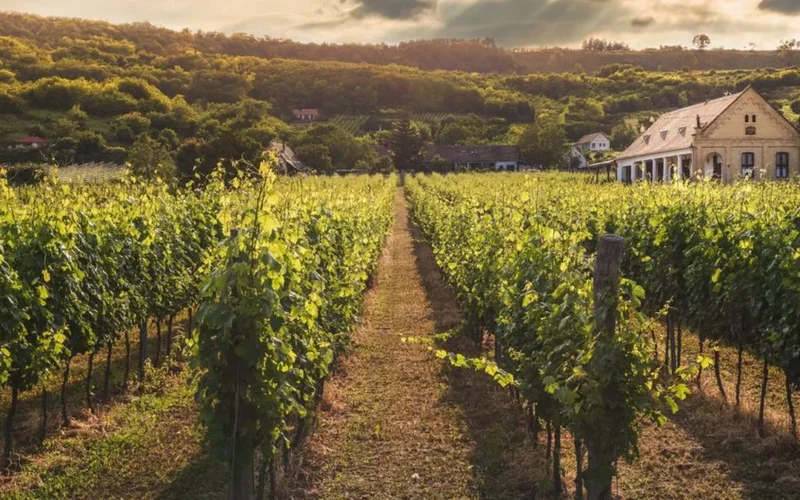
The prestige of Kalmit stems from its unique physical composition on a south-facing slope. The soil is a complex mosaic of tertiary limestone, clay, and marl-rich topsoil of varying depths. This specific mineral makeup allows the site to support three distinct varieties—Riesling, Pinot Blanc, and Pinot Noir—all capable of reaching the elite Grosses Gewächs status. Kalmit is unusual in that three different varieties can be used to make a GG from this Grosse Lage. Whether through the crystalline citrus of a Riesling or the structured warmth of a Spätburgunder, the site’s identity remains unmistakable.
Evolution Through the Vintages
A recent tasting with Boris and Xaver Kranz showcased how the estate has matured alongside its most famous site. Older Rieslings from 2000 and 2003 revealed incredible depth, characterized by notes of beeswax, honey, and intense spice. More recent releases demonstrate a shift toward modern precision; for instance, the 2023 Riesling utilized wild fermentation and whole cluster pressing to achieve a compact, salty minerality. Similarly, the Weissburgunder program has evolved from stainless steel fermentation to the use of small French oak, adding a layer of refined toastiness to the fruit. The history of Kalmit is not just about wine, but about the persistent pursuit of recognizing excellence within the Pfalz landscape. From the first Spätburgunder in 2007 to today’s organic certifications, the estate continues to push the boundaries of what this specific limestone slope can produce. Which of these classic German varietals do you find most expressive when grown on limestone soils?
Questions & Answers
What makes the Kalmit vineyard unique in German wine history?
The Kalmit site is significant because it was the first newly registered single-vineyard site in Germany since the introduction of restrictive wine laws in 1971. Officially recognized as an Einzellage in 2009, this designation followed decades of dedication by Boris Kranz to prove the specific worth of the location. This landmark legal victory allowed the vineyard to stand alone as a distinct site of excellence within the Pfalz landscape and established its prestige on a national level.
How does the soil composition at Kalmit affect the wines produced?
The unique geological makeup of the south-facing Kalmit slope allows for the production of high-quality Riesling, Pinot Blanc, and Pinot Noir. The soil consists of a complex mosaic featuring tertiary limestone, clay, and marl-rich topsoil that varies in depth across the site. This specific mineral variety provides enough diversity to support three different grape varieties reaching elite Grosses Gewächs status. Consequently, whether producing citrusy Riesling or structured Spätburgunder, the site's unmistakable identity remains present in every bottle.
Why have the tasting notes of Weingut Kranz wines changed over time?
The evolution in tasting notes reflects a shift from the deep, honeyed profiles of older vintages toward modern precision and refined textures. While older Rieslings from 2000 and 2003 are characterized by beeswax, honey, and intense spice, newer releases focus on compact minerality through techniques like wild fermentation. Additionally, the Weissburgunder program has transitioned from using stainless steel fermentation to incorporating small French oak. This change adds a sophisticated layer of refined toastiness to the fruit compared to previous vintages.
What grape varieties can be grown at the Kalmit single-vineyard site?
Three distinct grape varieties are capable of reaching elite status at the Kalmit site: Riesling, Pinot Blanc, and Pinot Noir. This variety is unusual for a Grosse Lage because all three can be utilized to produce Grosses Gewächs wines from this specific location. The vineyard's unique limestone and clay soil composition supports these different grapes, allowing producers to showcase everything from crystalline citrus profiles in the Riesling to the structured warmth found in the Spätburgunder.
Originally reported by Wine Anorak.