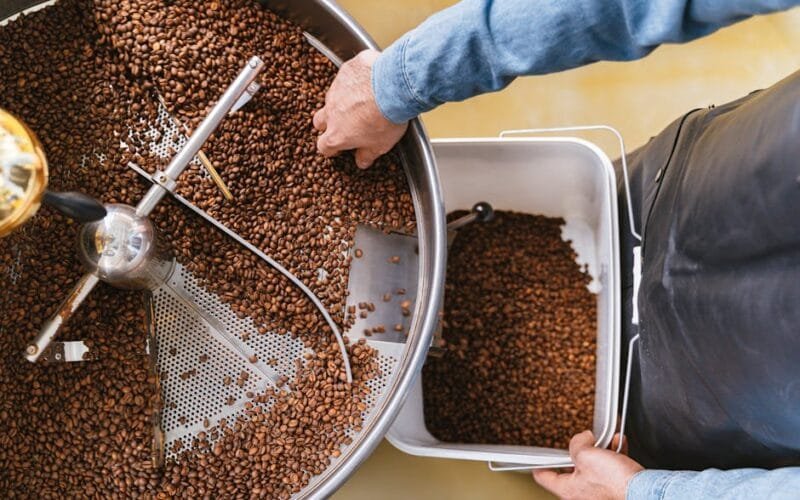
There’s something brewing in your kitchen—or your local coffee shop—that could redefine your craft. A 40-hour roasting and cupping course costs $2,000, taught by someone who’s mastered the science and art of coffee for 15 years. The instructor’s credentials? SCA Authorized Trainer, Q Grader, and judge for Barista and Latte Art championships. That’s not just a résumé; it’s a guarantee of expertise. But here’s the question: Is this investment worth it, or can you learn everything you need through YouTube tutorials and books?
The course promises more than just theory. It dives into roasting fundamentals: turning points, drying phases, first cracks, and gradient control. You’ll master airflow management, RoR (Rate of Rise), and how to tailor roast profiles for washed, natural, and honey-processed beans. Then there’s sensory evaluation—learning to taste acidity, body, and defects in a way that’s impossible to replicate at home. For someone aiming to roast commercially, this isn’t just practice; it’s a blueprint for consistency and quality.
Self-learning has its perks. YouTube channels break down techniques, and books offer deep dives into chemistry. But those resources lack the feedback loop of a live instructor. Imagine trying to time a first crack without knowing how to adjust your roaster’s airflow. Or struggling to identify a defect in a cupping session without a mentor’s guidance. Paid courses bridge that gap, turning abstract knowledge into actionable skills.
Still, the cost is steep. If you’re bootstrapping a business, $2,000 feels like a gamble. But consider this: A single misroasted batch could cost you more in wasted beans than the course fee. The instructor’s experience—judging championships, grading quality—translates to avoiding common pitfalls. This isn’t just about learning; it’s about accelerating your growth.
Mentorship from a seasoned expert reduces trial-and-error risks.
Key points: The course offers hands-on mastery of roasting science, sensory evaluation, and real-world problem-solving. Mentorship from a seasoned expert reduces trial-and-error risks. For commercial roasters, the ROI could outweigh the cost, especially when compared to the long-term losses of self-taught mistakes.
So, have you ever paid for a coffee course? What did you gain—or lose? Share your story below.
Questions & Answers
Is a roasting course useful for improving skills?
Yes, it helps refine techniques, build confidence, and offer constructive feedback. It’s ideal for those serious about mastering the craft.
How long does a typical roasting course last?
Most courses last 2–4 weeks, with weekly sessions. Some offer shorter intensives or self-paced options depending on the provider.
Information sourced from industry reports and news outlets.