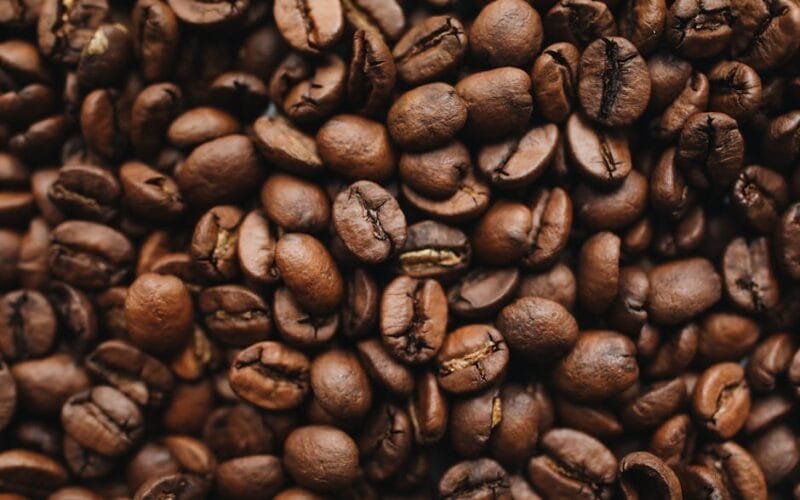
Let’s talk about the quiet art of cupping fresh coffee—yes, even before it’s rested. Light roasts, with their bright acidity and floral notes, often need weeks to mellow, but roasters still need to evaluate quality early. How do they do it without waiting? The answer lies in a blend of science, intuition, and a few clever tricks that turn the clockwork of coffee into a dance of precision.
First, roasters don’t wait for perfection—they wait for enough. A few days post-roast might reveal a coffee’s raw potential, but it’s not the full story. Think of it like tasting a young wine: the fruit is there, but the structure hasn’t settled. Roasters use small samples, often 20–30 grams, to cup in controlled conditions. They note brightness, acidity, and clarity, but avoid over-interpreting. The goal isn’t to judge final flavor but to track how the coffee evolves.
Chemistry plays a role too. Light roasts retain volatile compounds that dissipate over time. A coffee tasted too soon might taste sharp or acidic, but that’s not a flaw—it’s just the coffee’s “youthful” phase. Roasters adjust roast profiles gradually, tweaking temperatures and times to balance development. This process isn’t rushed; it’s iterative, often spanning weeks to refine consistency.
Some coffees, especially those processed with methods like honey or natural drying, mature faster. These might be ready for evaluation in a few days, but even then, roasters prioritize stability over speed. The key is understanding that “fresh” doesn’t mean “done.” It’s a starting point, not a finish line.
– Adjust roast profiles gradually over weeks to refine consistency.
Key points: – Cup small samples early to track evolution, not final flavor. – Adjust roast profiles gradually over weeks to refine consistency. – Some coffees mature faster, but patience still matters.
What’s your experience with tasting fresh coffee? Have you ever noticed how a roast changes in the days after roasting? Share your story below.
Questions & Answers
How long does fresh coffee stay at its best?
Fresh coffee is best within 1-2 weeks. After that, flavor and aroma start to fade. Store in a cool, dark place to preserve quality.
What affects coffee’s flavor after roasting?
Oxygen, light, and heat degrade coffee’s flavor. Store in airtight containers to slow oxidation and maintain freshness.
Information sourced from industry reports and news outlets.