⏱ 2 min read
The Short Version
Forget the rigid rules: your palate matters more than a sommelier’s expertise. If a bottle feels off, skip the correction and lead with curiosity—whether that means requesting an ice bucket or using your own body heat to warm the glass.
Tannic reds like Cabernet Sauvignon often require warmth to unlock bold flavors, while light-bodied Gamay thrives when chilled to accentuate acidity. Despite these established guidelines, temperature remains a deeply subjective experience. If a bottle arrives at your table feeling off, many diners hesitate to speak up, intimidated by the professional expertise represented by a formal suit or a service pin.
Trust that the wine is being stored at the appropriate temperature, but if you’re not happy with the serving temperature, it’s OK to ask.
Prioritize inquiry over correction
Andrew Elder, director of restaurants for Washington, D.C.’s Hive Hospitality—which includes Jônt, Bresca, and Ox and Olive—notes that guests are often too afraid to question the staff. However, there is a vital distinction between telling a sommelier they are wrong and simply expressing a personal preference. Rather than declaring a wine “incorrect,” approach the situation with curiosity. Trust that the wine is being stored at the appropriate temperature, but if you’re not happy with the serving temperature, it’s OK to ask.
Elder and his teams do not view traditional rules as absolute. He admits that he personally breaks them, such as placing a heavy red in an ice bucket during the summer months. This flexibility extends to unconventional choices, like warming a glass of Champagne to better taste its nuances or enjoying a full-bodied red at icy temperatures. The goal is to align the liquid with the specific moment and individual style.
Tools for immediate adjustment
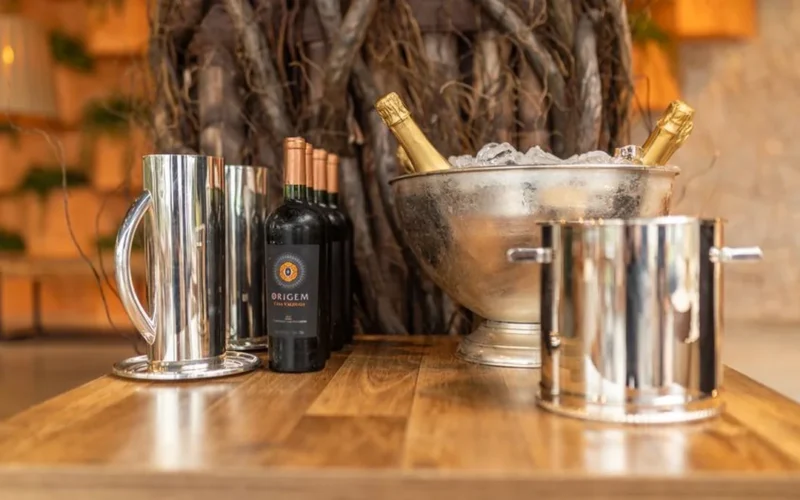
Adjusting a wine’s thermal profile is a standard part of restaurant service. If a bottle is too warm, a sommelier can quickly utilize an ice bucket, refrigerator, or freezer. Conversely, if a wine is too cold, pouring it into a decanter allows it to reach an ideal temperature through aeration and contact with the air. For those who prefer a more tactile approach, Elder suggests breaking the cardinal rule by placing your hands directly on the bowl of the glass to use body heat for gentle warming.
Ultimately, the role of a professional is to facilitate your enjoyment. Whether you are navigating a pre-determined pairing at the Michelin-starred Jônt or selecting a bottle at Ox and Olive, the final decision belongs to the drinker. If a suggestion feels wrong for your palate, be direct: “I don’t agree with that; can you please do it this way?”
Do you typically follow traditional serving temperatures, or do you adjust them to suit your personal preference?
Questions & Answers
How can you ask a sommelier to change a wine's temperature without being rude?
You can request a temperature change by prioritizing inquiry and personal preference over direct correction. Instead of telling a professional they are wrong, approach the situation with curiosity and express how you would like to experience the wine. It is perfectly acceptable to state that you do not agree with a specific pairing and ask to try it a different way. The goal is to align the liquid with your individual style rather than strictly following formal rules.
What are the best ways to adjust the temperature of wine at a restaurant?
Restaurants use several standard methods to adjust a wine's thermal profile to suit a guest's needs. If a bottle arrives feeling too warm, a sommelier can quickly utilize an ice bucket, a refrigerator, or a freezer to chill it. If a wine is served too cold, pouring it into a decanter allows it to reach an ideal temperature through aeration and contact with the air. You can also use your own body heat by holding the glass bowl.
Why do different types of wine require specific serving temperatures?
Different wine varieties require specific temperatures to properly unlock their unique flavor profiles and characteristics. For example, tannic red wines like Cabernet Sauvignon often need warmth to release their bold flavors, whereas light-bodied wines like Gamay thrive when chilled to accentuate their acidity. While these guidelines exist to enhance the tasting experience, temperature remains a subjective matter. Many people choose to break these traditional rules to better suit their personal palate or the specific environment.
Can you change the temperature of wine using your hands?
You can gently warm a glass of wine by placing your hands directly on the bowl of the glass to utilize your body heat. This is a more tactile approach for those who find their wine is serving too cold and want a subtle adjustment. While this might break traditional etiquette rules, it is an effective way to personally manage the thermal profile of your drink. Professional service is ultimately meant to facilitate your enjoyment and personal preference.
Originally reported by VinePair.