⏱ 2 min read
The Short Version
Forget delicate pinks; Fero Vineyard & Winery just secured its second consecutive Best Rosé win with a powerhouse Saperavi. Born from a necessity to salvage an early harvest, this Georgian native variety trades traditional elegance for intense, unapologetic aromatics.
In This Article
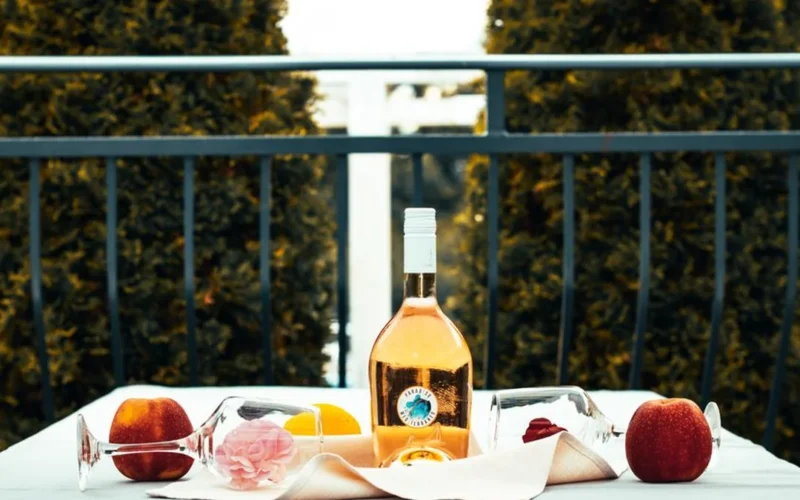
Fero Vineyard & Winery secured its second straight win for Saperavi at the 2026 Sommelier Judgment competition, though the victory came from an unexpected direction. Out of 93 wines judged on Sept. 18, the winery’s 2025 Rosé Saperavi took home the top prize for best rosé. This marks the second year the Georgian native variety has won in Pennsylvania, notably as a pink wine rather than a traditional red.
I think of rosé wine typically as elegant, but the Saperavi breaks that mold and is powerfully aromatic and flavorful.
A Pivot Born of Necessity
The success of the rosé was driven by adaptation rather than original intent. Chuck Zaleski, who manages the vineyard and winemaking at the Union County site, noted that he previously used his acre of Saperavi exclusively for red wine. The shift occurred during a difficult growing season when an early harvest was required to salvage fruit. I think of rosé wine typically as elegant, but the Saperavi breaks that mold and is powerfully aromatic and flavorful. By pivoting to a rosé, the winery produced a profile characterized by intense aromatics rather than typical delicacy.
While the 2025 vintage provided enough surplus to ensure a return of the rosé, the 2026 season brought significant hardship. An April freeze destroyed most of the vineyard’s fruit, leaving Zaleski with only enough Saperavi to produce a red wine, if any. To navigate this gap, the winery will rely on bulk wine held back from the exceptional 2025 crop. Despite these setbacks, the team remains focused on a potential rebound for the 2027 season.
Experimentation in Union County
Fero Vineyard & Winery operates on more than 10 acres of what was once an 1812 family farm. Dr. Zaleski found his “second career” here after his studies took him to Vienna, where proximity to historic vineyards sparked an interest that eventually led him to transition from practicing medicine to viticulture. Alongside Saperavi, the estate is among a select few in the region cultivating Lemberger, also known as Blaufränkisch. Their plantings also include Pinot Noir, Grüner Veltliner, Pinot Gris, and Riesling. This diverse selection reflects years of experimentation by Zaleski and his wife, Daneen, who oversees the tasting room alongside their son, Nickolas Kifolo. Although recent frost has limited production, the winery continues to focus on varieties that thrive in the local terrain.
Do you prefer the classic elegance of a traditional rosé or the bold aromatics of a variety like Saperavi?
Questions & Answers
What wine won the best rosé award at the 2026 Sommelier Judgment competition?
The 2025 Rosé Saperavi from Fero Vineyard & Winery won the top prize for best rosé. This victory marks the second consecutive year that the Georgian native variety has secured this title in Pennsylvania. While Saperavi is traditionally used to produce red wine, this specific winning vintage was crafted as a pink wine. The win was notable because it emerged from a field of 93 different wines judged during the competition held on September 18.
Why did Fero Vineyard & Winery decide to produce rosé from Saperavi grapes?
Fero Vineyard & Winery pivoted to making rosé because a difficult growing season required an early harvest to salvage the fruit. Manager Chuck Zaleski previously used his acre of Saperavi exclusively for red wine production, but the shift to rosé allowed the winery to adapt to these environmental challenges. Unlike typical elegant and delicate rosés, this Saperavi version offers a unique profile characterized by intense aromatics and powerful flavors that break the traditional mold of the style.
How has recent weather affected the Saperavi production at Fero Vineyard & Winery?
An April freeze significantly impacted production by destroying most of the vineyard's fruit for the 2026 season. This hardship left the winery with only enough Saperavi grapes to potentially produce a red wine rather than a rosé. To manage this shortage and maintain their offerings, the winery will rely on bulk wine held back from the exceptional 2025 crop. The team is currently focused on navigating these setbacks in hopes of a successful rebound during the 2027 season.
What grape varieties are grown at the Fero Vineyard & Winery estate?
Fero Vineyard & Winery cultivates a diverse selection of grapes including Saperavi, Lemberger, Pinot Noir, Grüner Veltliner, Pinot Gris, and Riesling. The estate operates on more than 10 acres of land that was originally an 1812 family farm located in Union County. The cultivation of Lemberger, also known as Blaufränkisch, makes the estate part of a select few in the region growing that specific variety. These plantings reflect years of viticultural experimentation by Dr. Zaleski and his wife.
Originally reported by Substack.