⏱ 2 min read
The Short Version
Even perfect technique can't save a bean that refuses to bloom. While the Familia Marin shines under espresso pressure, its cellular structure lacks the solubility required for a V60, proving some roasts are simply optimized for intensity rather than pour-over clarity.
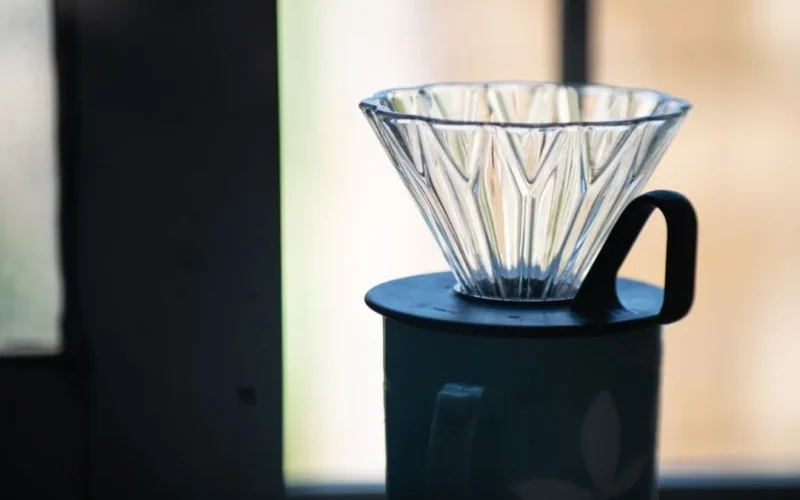
A single bag of Sweet Bloom Familia Marin can be a source of profound frustration when espresso excellence fails to translate to the drip brewer. While these specific beans have yielded incredible shots under pressure, they consistently fall flat when transitioned to a V60 Neo. Despite repeated attempts to troubleshoot through varied grind sizes, increased agitation, and temperature shifts, the result remains a lackluster pour over devoid of meaningful flavor.
I know my brew method works, but these familia marin beans just fail to produce a pour over cup that has any flavor at all.
The limitations of extraction versatility
The struggle highlights a common phenomenon in specialty coffee: not every bean profile is designed for the high clarity required by manual pour over methods. When comparing the Familia Marin to the Sweet Bloom Migration 9.1, the difference in performance is stark. The Migration 9.1 yields beautiful cups with minimal adjustment, proving that the brewing equipment and technique are sound. I know my brew method works, but these familia marin beans just fail to produce a pour over cup that has any flavor at all.
This discrepancy suggests that certain roast profiles or varietal characteristics may lack the solubility necessary to bloom and develop properly in a gravity-fed environment. Where an espresso machine uses force and heat to extract concentrated sugars and oils, a V60 relies on steady immersion and filtration. If the cellular structure of the Familia Marin does not respond to this slower contact time, even perfect technique cannot conjure complexity from thin air.
Troubleshooting the flavor gap
When a bean excels in one medium but fails in another, the issue often lies in the chemical composition rather than user error. In the case of the Familia Marin, the inability to find a “sweet spot” despite adjusting water temperature and agitation points toward a fundamental mismatch between the bean’s density and the pour over process. It is possible the roast is optimized for the rapid, intense extraction of espresso, leaving it under-developed for the delicate nuances required by drip coffee.
While many enthusiasts strive for universal beans that perform across all devices, reality often dictates otherwise. Some coffees simply demand the high-pressure environment of an espresso machine to reveal their potential.
Have you ever encountered a specific coffee that felt completely “broken” when moved from espresso to pour over?
Questions & Answers
Why do some coffee beans taste better as espresso than as pour over?
Some coffee beans possess chemical compositions or roast profiles that are optimized specifically for the high-pressure environment of an espresso machine. While espresso uses intense force and heat to extract concentrated sugars and oils, manual methods like the V60 rely on slower immersion and filtration. If a bean's cellular structure or density does not respond well to this slower contact time, it may fail to develop the complexity and meaningful flavor required for a successful drip coffee experience.
How does the brewing method affect the extraction of specialty coffee beans?
The brewing method determines how much force and heat are applied to the coffee to extract its flavors. An espresso machine utilizes high pressure to pull concentrated oils and sugars from the grounds, whereas a gravity-fed method like a V60 relies on steady filtration. Because these two processes interact differently with a bean's solubility, certain profiles like the Familia Marin may yield incredible shots under pressure but remain lackluster and devoid of flavor when transitioned to a pour over.
What causes a coffee bean to fail during the pour over brewing process?
A coffee bean may fail during pour over brewing due to a fundamental mismatch between its density and the gravity-fed extraction process. Even if a brewer adjusts variables like water temperature, agitation, and grind size, certain roast profiles may lack the necessary solubility to bloom properly in a V60. This suggests that the bean might be specifically developed for the rapid, intense extraction found in espresso, leaving it under-developed for the delicate nuances required by manual drip methods.
What is the difference between Familia Marin and Migration 9.1 coffee performance?
The main difference lies in their extraction versatility across different brewing devices. While the Familia Marin beans struggle to produce a flavorful cup when moved from espresso to a V60, the Sweet Bloom Migration 9.1 yields beautiful cups with minimal adjustment. This performance gap demonstrates that while some beans are designed for high clarity in manual pour over methods, others are specifically optimized for the high-pressure environment of an espresso machine to reveal their full potential.
Originally reported by Reddit Coffee.