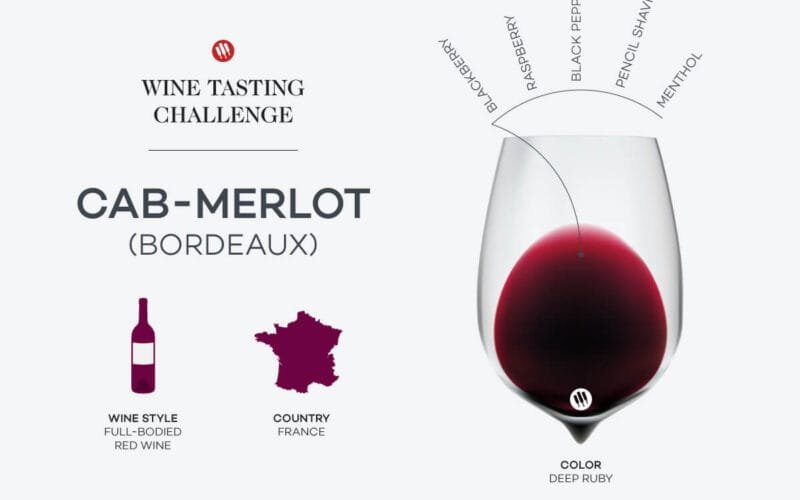
Time to spill: cabernet-secret-why-its-outshining-bordeaux/”>Bordeaux isn’t just a wine—it’s a masterclass in balance. This week’s tasting challenge cracks open a bottle of Bordeaux Superieur from Entre-Deux-Mers, a subregion better known for white blends but now carving its niche in affordable reds. The key? A simple yet strategic blend of Merlot and Cabernet Sauvignon, two grapes that speak volumes about the region’s identity.
Bordeaux’s magic lies in its flexibility. While producers can use up to six grape varieties, this bottle sticks to the essentials: 65% Merlot for its velvety fruitiness and 35% Cabernet Sauvignon for structure. The result is a wine that feels both familiar and intriguing, like a conversation between two old friends. Merlot’s jammy sweetness clashes with Cabernet’s tannic grip, creating a tension that’s anything but static. Notes of blackberry, menthol, and cedar swirl together, while a backbone of acidity keeps it from feeling heavy. It’s a textbook example of how complexity emerges when simplicity meets intention.
The Left Bank vs. Right Bank divide is less about geography and more about philosophy. Left Bank blends lean on Cabernet’s dominance, while Right Bank wines favor Merlot’s approachability. This bottle, with its Merlot majority, falls squarely on the Right Bank side—proof that terroir isn’t just soil; it’s a language. Yet the 35% Cabernet doesn’t fade into the background. Its peppery spice and graphite undertones add depth, reminding us that even the most dominant grapes need a counterpoint.
Pair this with smoky meats or grilled dishes, and you’ll unlock its full potential. But the real takeaway? Bordeaux isn’t about gimmicks—it’s about harmony. Merlot and Cabernet aren’t just grapes; they’re partners in a dance that’s been refined for centuries. Whether you’re sipping a $20 bottle or a $200 vintage, the lesson is the same: great blends thrive on balance.
Left Bank’s boldness or Right Bank’s grace.
What’s your go-to Bordeaux subregion? Left Bank’s boldness or Right Bank’s grace? Drop your pick below—let’s geek out over percentages and terroir.
Questions & Answers
What are the main grape varieties in Bordeaux blends?
Bordeaux blends typically include Cabernet Sauvignon, Merlot, Cabernet Franc, Petit Verdot, and Malbec. These grapes create complex, age-worthy red wines with structured tannins and dark fruit flavors.
How long can Bordeaux reds age?
Bordeaux reds can age for 10–30 years or more, depending on the vintage and blend. High tannin and acidity allow them to evolve gracefully, developing earthy, tobacco, and spice notes over time.
Information sourced from industry reports and news outlets.