⏱ 1 min read
The Short Version
Bitterleaf’s Yibang raw puer defies boldness with its refined subtlety, offering a silky, citrus-tinged brew that evolves from delicate rice notes to a clean, fruity finish. This Mengla-style tea prioritizes grace over astringency, making it a smooth, daily-drinkable masterclass in raw puer tradition.
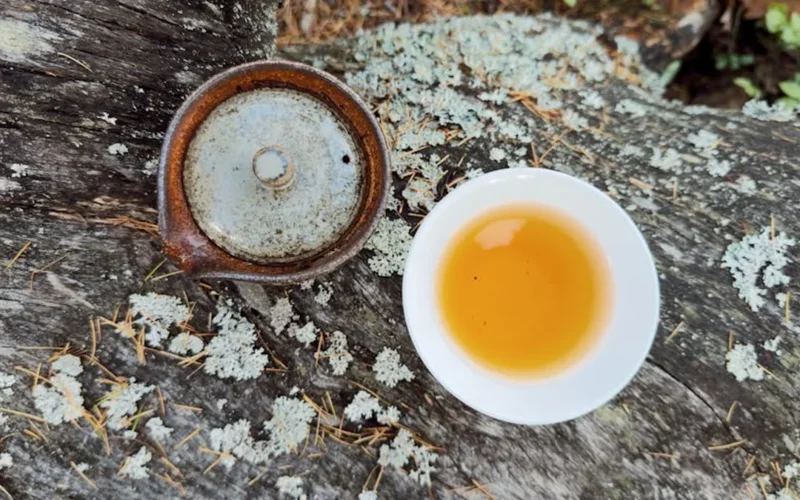
Steeping Bitterleaf’s Yibang raw puer unveils a nuanced interplay of refined delicacy and layered complexity. This 5.5g/80mL duanni clay pot brew unfolds in stages, beginning with a delicate rice/cereal aroma and a trace of brown sugar. The first steep offers a fleeting citrus zest and oatmeal-like texture, while the second hints at molasses and a subtle sweetness that lingers. By the fourth steep, the tea’s silky mouthfeel takes center stage, with apple and light acidity weaving through a clean, understated profile.
This is definitely a mild one, with the typical Mengla rice/cereal note up front being the main flavor character
The Art of Subtlety in Raw Puer
Raw puerh is often about structure, but this Yibang sheng redefines the genre. The early steeps emphasize a refined acidity and a faint sweetness, sidestepping the astringency that frequently defines Mengla-origin teas. Its rice/cereal backbone is understated, letting the tea’s natural terroir take the spotlight. Unlike more assertive Yibang releases, this one communicates its story with restraint. The emergence of late citrus in the finish suggests a tea that’s matured with care, yet remains accessible.
A Daily Drink That Defies Category
Priced for regularity, this Bitterleaf offering embodies the Yiwu/Mengla style—a seamless blend of tradition and contemporary appeal. Its low bitterness and smooth texture make it an ideal candidate for daily sipping, though its subtlety may unsettle those seeking boldness. The final steeps hint at potential evolution, with a faint fruity sweetness lingering over the cereal base. For beginners or those new to raw puerh, this tea serves as an excellent entry point, offering a gentle yet rewarding introduction to the world of sheng.
This is definitely a mild one, with the typical Mengla rice/cereal note up front being the main flavor character What’s your go-to brewing method for a tea that balances subtlety and depth?
Questions & Answers
How should I brew Bitterleaf’s Yibang raw puer for best results?
Use a 5.5g/80mL duanni clay pot for a balanced brew. Start with a delicate rice/cereal aroma, then let the tea evolve through steeps, revealing citrus zest, molasses notes, and a silky mouthfeel. The final steeps highlight a clean, fruity sweetness over a cereal base.
Why is Bitterleaf’s Yibang raw puer considered mild compared to other Mengla teas?
It avoids astringency and emphasizes refined acidity and faint sweetness. The rice/cereal backbone is understated, letting the natural terroir shine. Late citrus in the finish suggests careful maturation without overpowering the subtle profile.
What makes Bitterleaf’s Yibang raw puer suitable for daily drinking?
Its low bitterness and smooth texture make it ideal for regular sipping. The tea’s subtlety and evolving layers—like apple acidity and a clean finish—offer a gentle yet rewarding experience. It’s an excellent entry point for beginners exploring raw puerh.
Can Bitterleaf’s Yibang raw puer evolve over time, and how does it change?
Yes, the final steeps hint at potential evolution, with a faint fruity sweetness lingering over the cereal base. As it ages, the tea may develop more complexity, though its current profile remains accessible and balanced.
Originally reported by Reddit Puer Tea.