⏱ 1 min read
The Short Version
Clean wines may hide dangerous biogenic amines, like histamine, causing severe reactions—yet the industry lacks transparency and regulation, turning 'clean' into a misleading label.
Real talk: The “clean” wine you’re sipping may contain biogenic amines—natural compounds like histamine and tyramine—that can trigger severe reactions in sensitive drinkers. These substances, often overlooked in the pursuit of purity, are reshaping how we define safety in wine. Yet, the science behind them remains underexplored, and the industry’s response is far from honest.
*“Clean” is a term that’s been co-opted. The real story isn’t about additives—it’s about compounds that form naturally, and no one’s telling you the full truth.*
The Hidden Culprits in Your Glass
Biogenic amines aren’t added—they’re byproducts of fermentation, particularly in red wines where malolactic fermentation increases histamine levels. In a shocking case, six young adults aged 22 to 27 were hospitalized after consuming just three glasses of low-alcohol wine. Microbiological tests found “not negligible” levels of these compounds, which caused symptoms akin to alcohol poisoning. The wine, at only 10.5% ABV, underscored how potency isn’t always tied to alcohol content.
Why the Industry Won’t Tell You the Truth
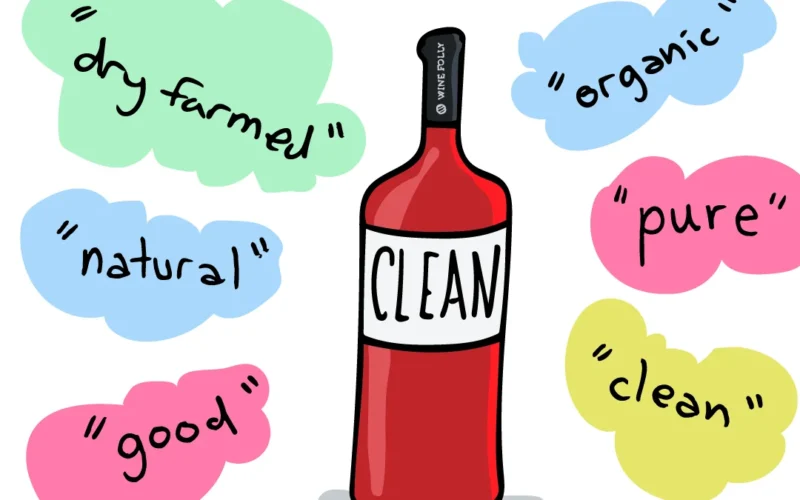
Regulation lags behind science. While the EU has debated limits, no legal thresholds exist. Wineries may monitor biogenic amines internally, but they’re not obligated to disclose this information to consumers. This lack of transparency means “clean” or “natural” labels are often marketing fluff. A 1983 study in the American Journal of Enology and Viticulture found red wines had higher histamine levels than whites, yet this insight has never led to clear guidelines. “Clean” is a term that’s been co-opted. The real story isn’t about additives—it’s about compounds that form naturally, and no one’s telling you the full truth. For those with sensitivities, prioritize wines with lower amine levels—such as certain whites or those made with minimal intervention. But don’t assume “natural” means “safe.” The next time you see a wine labeled “clean,” ask: What’s the data? What’s the science? And most importantly, what’s the truth? What’s your experience with “clean” wines? Have you ever wondered if the label hides more than it reveals?
Questions & Answers
How do biogenic amines affect wine drinkers?
Biogenic amines like histamine and tyramine can cause severe reactions in sensitive individuals, even in low-alcohol wines. These natural byproducts of fermentation can mimic alcohol poisoning symptoms, as seen in a case where six young adults were hospitalized after drinking a 10.5% ABV wine.
Why are biogenic amines not regulated in wine?
Regulation lags behind science, with no legal thresholds for biogenic amines in wine. While the EU has debated limits, wineries aren't required to disclose amine levels, making "clean" labels more marketing than science. This lack of transparency hides the real story behind the term.
What are some safer wine options for sensitive drinkers?
Sensitive drinkers should prioritize wines with lower amine levels, such as certain whites or minimally intervened wines. Red wines often have higher histamine levels due to malolactic fermentation, so choosing lighter styles can reduce risk.
Can "clean" wine labels be misleading?
Yes, "clean" or "natural" labels often hide the presence of biogenic amines, which are natural byproducts of fermentation. These compounds can trigger severe reactions, making the term more marketing than science. Always ask for data and transparency when choosing a wine.
Originally reported by Wine Folly.