

⏱ 1 min read
The Short Version
Anaerobic fermentation is transforming specialty coffee by unlocking intense tropical and stone fruit flavors through microbial precision, redefining taste boundaries without bitterness. This scientific shift is reshaping how coffee is crafted and enjoyed.
In This Article
There’s a seismic shift happening in specialty coffee labs, where innovation meets tradition in unexpected ways. For years, coffee lovers have pursued the perfect cup, but the real transformation lies in how we ferment coffee—blending science with sensory precision to unlock new dimensions of flavor.
The future of specialty coffee isn’t just about beans—it’s about how we coax flavor from them.
The Science of Silence
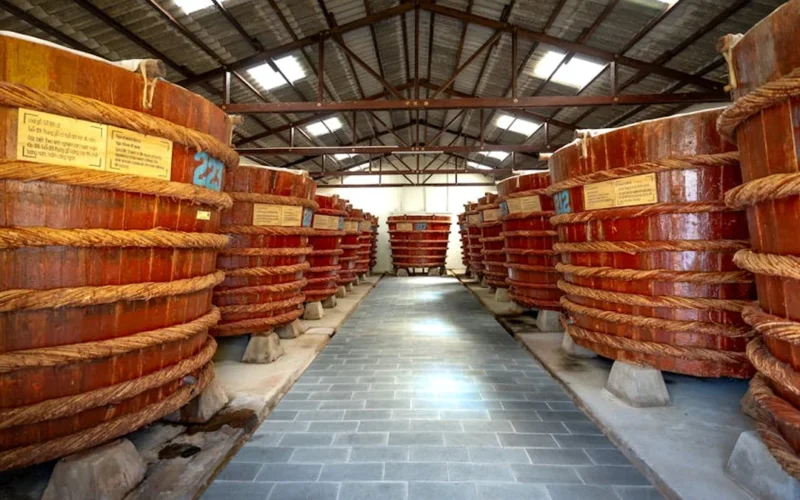
Anaerobic fermentation, once an obscure experiment, is now a defining technique in modern coffee innovation. Unlike traditional aerobic methods, which depend on oxygen to break down sugars, anaerobic fermentation occurs in sealed environments, fostering a complex dance between microbes and compounds. The outcome? Flavors that challenge traditional expectations—think concentrated tropical fruit, ripe stone fruit, and a lingering sweetness that defies categorization. This process isn’t just about taste; it’s about reimagining the boundaries of what coffee can express.
From Lab to Cup
The move toward anaerobic techniques isn’t random. Roasters and producers are increasingly embracing controlled environments to shape microbial activity, crafting profiles that cut through a crowded market. Some liken it to “fermenting in a vacuum,” but the reality is more nuanced. Success hinges on precision—temperature, time, and microbial balance are all essential. A 2023 study revealed that anaerobic fermentation can elevate certain volatile compounds by up to 40%, enhancing fruitiness without introducing bitterness.
The future of specialty coffee isn’t just about beans—it’s about how we coax flavor from them.
Beyond taste, anaerobic fermentation offers environmental advantages. By minimizing water usage and reducing reliance on chemical treatments, it aligns with the growing demand for sustainable practices in coffee production. What if the next breakthrough in coffee isn’t a new bean, but a new way to unlock what’s already there? The conversation is just beginning. What’s your take on the role of fermentation in coffee’s evolution?
Questions & Answers
How does anaerobic fermentation differ from traditional aerobic methods?
Anaerobic fermentation occurs in sealed environments without oxygen, fostering complex microbial interactions that create unique flavors like tropical fruit and ripe stone fruit. Traditional aerobic methods rely on oxygen to break down sugars, resulting in different flavor profiles.
What are the environmental benefits of anaerobic fermentation in coffee production?
Anaerobic fermentation reduces water usage and minimizes reliance on chemical treatments, supporting sustainable coffee practices. This method aligns with growing consumer demand for eco-friendly production processes.
Why is precision important in anaerobic fermentation?
Precision in temperature, time, and microbial balance is crucial for successful anaerobic fermentation. A 2023 study found it can elevate volatile compounds by up to 40%, enhancing fruitiness without bitterness.
Can anaerobic fermentation redefine coffee's flavor profile?
Yes, anaerobic fermentation challenges traditional flavor expectations, creating concentrated fruitiness and lingering sweetness. It reimagines coffee's potential, offering new dimensions that go beyond conventional profiles.
Originally reported by Reddit Wine.



[…] Light roasts are frequently undervalued for their brightness, yet they can produce substantial body—here’s how to unlock that potential. The misconception that darkness equates to density is a lazy assumption, not a rule. A light roast’s structure is delicate, but its capacity for richness stems from extraction, not roast level. The goal is to balance variables to achieve body without compromising clarity. […]