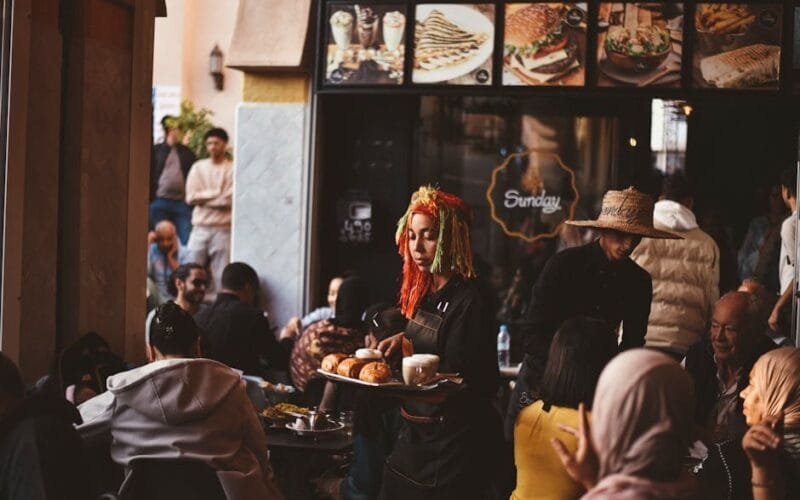
The 21st African Fine Coffees Conference and Exhibition (AFCA) in Dar es Salaam, Tanzania, was a bustling hub of African coffee culture. From February 24 to 28, 2025, the air was filled with the aroma of homegrown coffee as 23 baristas from 14 countries competed for recognition. This year’s Africa Barista Championship marked a significant milestone: a bold celebration of local talent, regional markets, and Africa’s growing appreciation for its own specialty coffee – especially robusta.
The competition showcased the brewing mastery of African baristas, but it was more than just about making coffee. Régine Léonie Guion-Firmin, an Authorized Specialty Coffee Association trainer based in Nairobi, Kenya, explained, “This isn’t just about coffee-making; it’s about youth creating new career paths, fostering café culture, and driving demand for high-quality, locally produced coffee. You could feel the energy and pride.”
Behind the scenes, a deeper transformation was unfolding. With growing consumer interest across the continent, local roasters, baristas, and entrepreneurs are championing African coffee for African consumers – redefining value not just through export but also through domestic engagement. In Cameroon, Thierry Djanga of TerrifiCoffee is part of this movement. His coffee placed second in a tasting competition at the event, but his priorities lie closer to home. “I’m happy to pay a premium for quality robusta from African producers,” he said. “Not just to export it, but to serve it locally. Consumers here are ready to pay for excellence. It’s a virtuous circle that benefits everyone.”
The event also highlighted technical capacity-building. A Barista Bootcamp, co-led by the International Trade Centre (ITC) and the Robusta Coffee Agency of Africa and Madagascar (ACRAM), trained more than 20 baristas in sensory analysis and brewing techniques aligned with World Barista Championship standards. This initiative is helping professionalize the coffee sector and deepen local market appreciation for specialty-grade robusta.
As coffee professionals, producers, and policymakers shared ideas throughout the week, one message rang clear: Africa’s coffee story is no longer confined to its export potential.
Mozambique’s participation was an eye-opener for many attendees unfamiliar with the country’s emerging coffee sector. Meanwhile, Egypt’s growing café scene brought new energy to discussions on regional trade and branding opportunities. As coffee professionals, producers, and policymakers shared ideas throughout the week, one message rang clear: Africa’s coffee story is no longer confined to its export potential. The continent’s producers, baristas, and consumers are reclaiming the narrative, one cup at a time.
1. African coffee culture is on the rise, with local talent, regional markets, and consumer appreciation growing. 2. Domestic engagement in the coffee industry is redefining value beyond export, creating new opportunities for local roasters, baristas, and entrepreneurs. 3. Technical capacity-building initiatives like the Barista Bootcamp are helping to professionalize the African coffee sector. 4. Emerging coffee sectors, such as Mozambique’s, are bringing fresh perspectives to Africa’s coffee scene. 5. Egypt’s growing café culture is contributing to discussions on regional trade and branding opportunities.
CLOSE:
Join the conversation by sharing your thoughts on how African coffee culture is evolving and what you think the continent’s coffee scene will look like in the next five years.
What does this mean for the future of African coffee? Let’s discuss! Join the conversation by sharing your thoughts on how African coffee culture is evolving and what you think the continent’s coffee scene will look like in the next five years.
Questions & Answers
What does the article “Africa’s coffee culture comes home – African Business” discuss?
The article explores the growing trend of African coffees in the global market, particularly in Europe and North America.
Which countries in Africa are known for their coffee production?
Ethiopia, Uganda, Kenya, Tanzania, and Rwanda are some of the major coffee-producing countries in Africa.
Information sourced from industry reports and news outlets.