

⏱ 1 min read
The Short Version
Forget overpriced Sancerre; savvy sommeliers are pivoting to Jurançon Sec to find high-acid, mineral-driven powerhouses at a fraction of the cost. These turbocharged Pyrenean gems deliver blistering acidity and tropical intensity, making them the ultimate value play for spicy, complex cuisines.
In This Article
This is worth savoring: when guests ask for a “dry white,” they usually default to Sancerre or Chablis. But as prices for those classic regions skyrocket, savvy sommeliers are pivoting toward the Pyrenees. They are looking for something that offers the same tension and mineral backbone without the inflated price tag found in Burgundy or the Loire.
The Jurançon wines deliver the same qualities as oversubscribed regions, but turbocharged.
Turbocharged Terroir
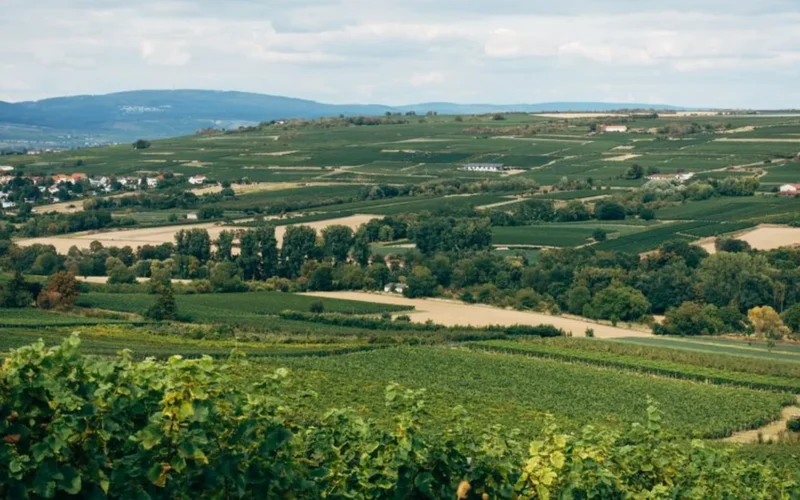
Jurançon is a remote, mountainous corner of southwest France that has historically been synonymous with luscious dessert wines. However, a new wave of dry production—known as Jurançon Sec—is redefining the appellation’s reputation. These wines rely on indigenous grapes like Petit Manseng and Gros Manseng, which thrive on steep, sun-drenched hillsides. The result is a profile characterized by blistering acidity and tropical fruit notes that feel remarkably concentrated. The Jurançon wines deliver the same qualities as oversubscribed regions, but turbocharged. This intensity makes them particularly effective at standing up to spicy, aromatically loud cuisines that might overwhelm a delicate Riesling.
Value Through Rarity
Because the region is small and lacks “celebrity” grapes like Chardonnay, it remains largely under the radar of casual drinkers. For professionals, this obscurity is an advantage. Producers like Domaine Castéra and Clos Guirouil are delivering structured, saline expressions that provide immense value on modern tasting menus. Whether it is the honeyed richness of a Petit Manseng blend or the bright, citrusy snap of a Gros Manseng, these bottles offer a level of complexity that punches far above their weight class. As importers expand their portfolios, the opportunity to discover these high-acid gems before they hit the mainstream is widening. If you were building a new white wine list today, would you prioritize recognizable names or hunt for regional outliers like Jurançon?
Questions & Answers
What are the main characteristics of Jurançon Sec wine?
Jurançon Sec is characterized by high acidity, intense tropical fruit notes, and a strong mineral backbone. These dry white wines offer a turbocharged profile that provides significant tension and concentration compared to more traditional regions. Because they possess such high-acid intensity, these wines are particularly effective at pairing with spicy or aromatically loud cuisines. This unique structural profile allows them to stand up to bold flavors that might easily overwhelm a more delicate white wine like Riesling.
Which grape varieties are used to produce Jurançon Sec?
Jurançon Sec relies primarily on indigenous grape varieties such as Petit Manseng and Gros Manseng. These specific grapes thrive on the steep, sun-drenched hillsides found in the remote, mountainous Pyrenees region of southwest France. The Petit Manseng often contributes a honeyed richness to blends, while the Gros Manseng provides a bright and citrusy snap. Using these local varieties helps the appellation redefine its reputation by moving away from its historical focus on luscious dessert wines.
Why are sommeliers choosing Jurançon over classic white wines like Sancerre?
Sommeliers are pivoting to Jurançon because it offers a high-quality alternative to classic regions like Sancerre or Chablis at a much better value. As prices for traditional Burgundy and Loire Valley wines skyrocket, Jurançon provides the same sought-after tension and minerality without an inflated price tag. The region's relative obscurity means that professionals can find structured, saline expressions from producers like Domaine Castéra and Clos Guirouil that offer immense complexity for modern tasting menus.
How does the terroir of Jurançon affect the flavor profile of its wines?
The mountainous, sun-drenched terrain of southwest France creates a turbocharged terroir that produces highly concentrated flavors. The steep hillsides allow indigenous grapes like Petit Manseng to develop intense profiles characterized by blistering acidity and tropical notes. This specific environment helps create saline and structured expressions that punch far above their weight class in terms of complexity. Such unique environmental factors ensure that the wines maintain a level of intensity often missing from more mainstream, celebrity-driven wine regions.
Originally reported by VinePair.

[…] The scarcity of Chenin Blanc […]