⏱ 2 min read
The Short Version
Forget generic Mendoza; Gualtallary’s limestone soils are transforming Malbec from heavy fruit bombs into elegant, terroir-driven masterpieces. With Rutini Wines leading the charge, Argentina is ditching broad labels for sub-regional precision to command the same prestige as Bordeaux.
In This Article
Pour yourself a cup for this one: Mendoza is no longer just a monolith of reliable, high-altitude fruit. While Argentina has long been a sanctuary for approachable, value-driven wine, a shift toward granular terroir is pulling fine wine collectors into its orbit. Leading this charge is Rutini Wines, whose recent back-to-back Best in Show wins at the Decanter World Wine Awards have placed the specific sub-region of Gualtallary firmly on the global map.
This wine achieves something that is difficult to balance: a wild and elegant character at the same time.
The power of altitude
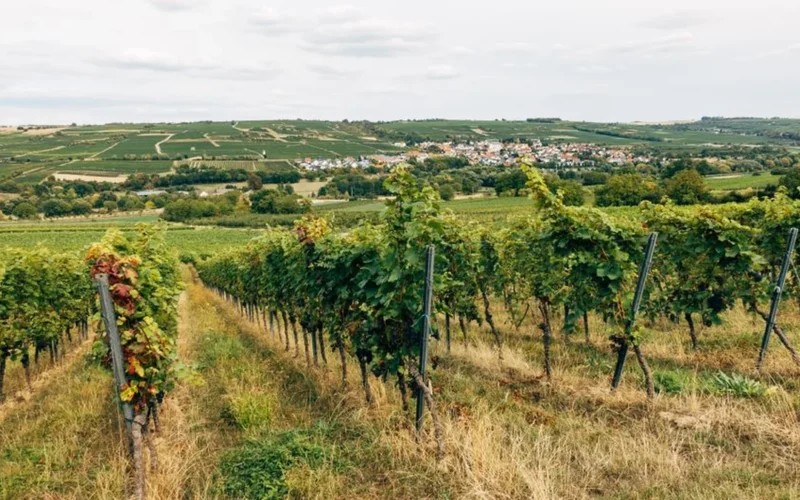
The Uco Valley presents an environmental paradox: a high-elevation desert where grapes endure intense sunlight by day and sharp cooling by night. In Gualtallary, this extreme climate meets unique limestone soils to produce something far more complex than the standard heavy Malbec profile. Rather than relying on sheer fruit weight, these wines lean into a purity of place characterized by deep blue fruit, floral notes, and herbal undertones. This wine achieves something that is difficult to balance: a wild and elegant character at the same time. By utilizing modern canopy management and drip irrigation, producers are now able to tame the naturally high tannins of Malbec, integrating them into a much more polished structure.
Moving beyond Mendoza
For many enthusiasts, labeling a bottle simply as “Mendoza” is becoming woefully inadequate. To put the scale in perspective, the Uco Valley alone contains roughly 60% more vineyard area than the entire Médoc region of Bordeaux. This massive footprint necessitates a move toward sub-appellation recognition, similar to how European wine drinkers distinguish between various Bordeaux communes. Rutini’s leadership is pushing for formal Geographical Indication status for areas like Gualtallary to ensure that when a professional in London or New York sees a sub-region name, they associate it with a specific, predictable profile. As winemakers continue to map these distinct pockets of terroir, the goal isn’t just about prestige or price points; it is about establishing sustained consistency. The transition from a broad regional identity to a collection of highly specific, world-class micro-climates marks the true maturity of Argentine fine wine. Do you find yourself looking for specific sub-regions on an Argentine label, or do you still rely on the broader Mendoza designation?
Questions & Answers
What makes Gualtallary Malbec different from standard Mendoza wines?
Gualtallary Malbec is distinguished by its complexity and purity of place rather than sheer fruit weight. While standard Mendoza wines often focus on approachable, heavy profiles, the unique combination of high altitude and limestone soils in Gualtallary produces deep blue fruit, floral notes, and herbal undertones. This specific environmental paradox creates a wine that balances a wild character with an elegant structure, offering a much more nuanced experience for fine wine collectors seeking granular terroir expression.
How do winemakers manage high tannins in high-altitude Malbec?
Winemakers manage high tannins in high-altitude Malbec through the use of modern canopy management and drip irrigation techniques. These specific viticultural methods allow producers to tame the naturally aggressive tannin structure found in grapes grown in extreme climates. By implementing these practices, they can integrate those tannins into a much more polished and balanced structure. This technical approach helps transform the wild character of the fruit into a sophisticated, world-class wine suitable for international markets.
Why is there a movement toward sub-regional recognition in Argentina?
The movement toward sub-regional recognition is driven by the need to distinguish between specific micro-climates within massive viticultural areas like the Uco Valley. Because the Uco Valley contains roughly 60% more vineyard area than the Médoc region of Bordeaux, a broad Mendoza label is no longer sufficient for fine wine precision. Establishing formal Geographical Indication status for areas like Gualtallary helps professionals associate specific sub-region names with predictable, high-quality flavor profiles and consistent terroir characteristics.
What environmental factors influence grape growing in the Uco Valley?
The Uco Valley is characterized by an environmental paradox consisting of a high-elevation desert climate. Grapes in this region must endure intense sunlight during the day followed by sharp, significant cooling at night. This extreme temperature fluctuation, combined with unique limestone soils, dictates the development of the fruit. These specific conditions are essential for producing wines that favor aromatic complexity and structural elegance over simple fruit density, marking a shift toward more sophisticated Argentine viticulture.
Originally reported by The Drinks Business.