

⏱ 1 min read
The Short Version
Brian Carter traded a microscope for a wine glass, using a childhood obsession with microbes to master the art of the blend. By ditching rigid recipes for intuitive, variable-driven viticulture, he ensures every vintage is a unique, living expression of the fruit.
In This Article
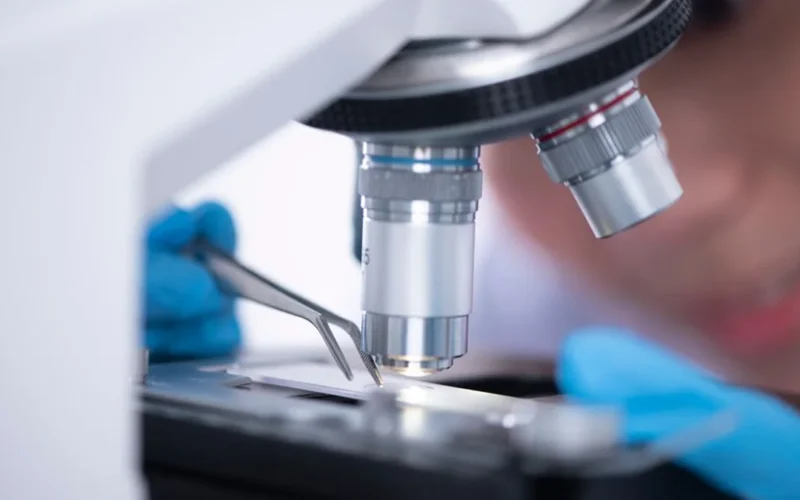
For Brian Carter, winemaking exists at the intersection of rigid science and pure intuition. A cornerstone of the Woodinville scene since founding Brian Carter Cellars in 1998, Carter didn’t stumble into the cellar by accident. His journey began with a microscope at age twelve, peering at amoebas and eventually fermenting blackberry wine to watch yeast move under glass.
I had a scientific background, but when I sat down to blend, it was not science, it was just art.
From microbes to master blends
This early fascination with microbiology provided the technical foundation for a career spanning decades, including pivotal roles at Paul Thomas Winery and Washington Hills. Growing up in Corvallis, Oregon, where his father was a professor at Oregon State University, Carter followed an academic path rooted in precision, earning a degree in microbiology from OSU before attending the graduate-level winemaking program at UC Davis. While his training focused on cellular life, he found his true calling in the fluid nature of blending. I had a scientific background, but when I sat down to blend, it was not science, it was just art. By treating the process as a continuous study of character rather than following static recipes, he moved toward a more responsive style of viticulture.
Embracing the joy of variables
Carter’s approach rejects the safety of a fixed menu. Instead of adhering to a strict percentage of Cabernet Franc or Mourvèdre, he allows each vintage to dictate its own identity. This method requires an intentional surplus of inventory to maintain flexibility, ensuring he can pivot based on the quality of the fruit and barrel aging. The goal isn’t to hit a specific number, but to chase the most rewarding result possible through constant tasting and adjustment.
This refusal to rely on a template means the wines are never identical; they evolve alongside the grapes and even as Carter’s own palate shifts with age. It is this marriage of microbiological expertise and artistic spontaneity that has solidified his reputation as one of the state’s premier master blenders.
Questions & Answers
What is Brian Carter's educational background in science and winemaking?
Brian Carter holds a degree in microbiology from Oregon State University and completed the graduate-level winemaking program at UC Davis. His academic foundation began at age twelve when he first used a microscope to study amoebas and yeast during fermentation experiments. This rigorous scientific training provides him with a deep technical understanding of cellular life, which he applies to his professional career in the cellar despite viewing his final blending process as a form of pure art.
How does Brian Carter approach the wine blending process?
Brian Carter approaches blending as an intuitive art form rather than a rigid scientific formula or static recipe. Instead of adhering to fixed percentages for specific grape varieties like Cabernet Franc or Mourvèdre, he allows each vintage to dictate its own unique identity through constant tasting. He treats the process as a continuous study of character, making responsive adjustments based on the quality of the fruit and the progress of barrel aging to achieve the most rewarding result possible.
Why does Brian Carter maintain an intentional surplus of wine inventory?
Maintaining an intentional surplus of inventory allows Brian Carter to retain the flexibility needed to pivot his blending decisions based on seasonal variables. Because he rejects fixed templates and instead follows the guidance of each specific vintage, having extra stock ensures he can adjust blends according to fruit quality and barrel aging. This strategic surplus is essential for his responsive style of viticulture, enabling him to chase optimal flavors rather than sticking to a predetermined menu.
How has microbiology influenced Brian Carter's career as a winemaker?
Microbiology provided the technical foundation that allows Brian Carter to bridge the gap between rigid science and artistic intuition in winemaking. His lifelong fascination with microscopic life, which began with observing yeast under glass, informs his sophisticated understanding of the fermentation process. While he views the actual act of blending as an artistic endeavor, his microbiological expertise gives him a unique advantage in managing the complex biological variables that occur within the cellar and the vineyard.
Originally reported by HistoryLink.

[…] foundation of Marchelle’s mission lies in the preservation of history. La Follette helped resuscitate the Betty Ann Vineyard, home to what are believed to be the oldest […]