

⏱ 2 min read
The Short Version
Forget the polished pretension of Napa; Paso Robles has emerged as a rugged, authentic powerhouse fueled by dramatic temperature swings and ancient seabeds. It’s a working agricultural hub where world-class complexity meets an unpretentious, laid-back soul.
In This Article
Real talk: if you think California wine begins and ends with Napa, you are missing the point. While the valley gets the headlines, Paso Robles has quietly evolved into one of the state’s premier regions, offering something much more authentic than its polished northern neighbors. This isn’t a land of glass-and-steel luxury resorts; it is a rugged, working agricultural hub where winemakers still identify primarily as farmers.
For the grapes, the shift means life.
The power of the diurnal shift
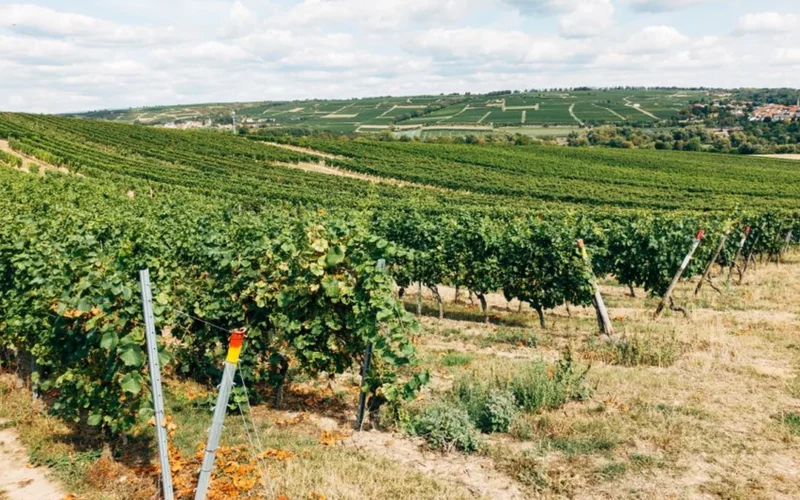
The secret to the region’s success lies in the geography of the Santa Lucia Mountains and the Templeton Gap. This gap acts as a funnel, pulling cool Pacific air inland every afternoon to combat the daytime heat. This creates a dramatic diurnal shift—the massive temperature swing between scorching days and chilly nights. For the grapes, the shift means life. They develop juicy sugars during the day but stay refreshed by the night breeze, allowing them to ripen slowly and develop deep, complex flavors without withering on the vine. This climate supports an incredible diversity of varietals that defy the standard single-grape AVA model. You will find everything from Cabernet Sauvignon and Malbec to Mourvedre and Tannat thriving in the limestone-rich, calcareous soils. Because these vineyards often sit atop ancient seabeds, the mineral influence is palpable in the glass, ranging from bright and minerally to dark and luscious.
An approachable wine culture
Beyond the bottle, Paso Robles maintains a distinctively laid-back energy. The town feels like a step back in time, complete with neon signs, brick buildings, and independent hardware stores. It lacks the frantic, transactional pace of more famous regions, making it easier to balance world-class tastings with actual exploration. Whether you are exploring the industrial charm of Tin City or hiking through the oak-heavy Three Bridges Oak Preserve, the experience feels unpretentious. Even the tasting rooms reflect this variety, spanning from high-end hillside experiences at Calcareous to casual pours in cool wine caves at Eberle. With over 250 wineries to choose from, the sheer scale of production is staggering, yet the soul of the region remains intact. Have you found Paso Robles’ approach to winemaking more refreshing than the Napa Valley model?
Questions & Answers
What makes the climate in Paso Robles unique for winemaking?
The unique climate in Paso Robles is defined by a dramatic diurnal shift caused by the Templeton Gap. This gap acts as a natural funnel that pulls cool Pacific air inland every afternoon to combat the daytime heat. This massive temperature swing allows grapes to develop juicy sugars during the day while staying refreshed by the chilly night breezes. As a result, the fruit can ripen slowly and develop deep, complex flavors without withering on the vine.
How does the geography of Paso Robles affect the flavor of its wine?
The geography affects the wine through limestone-rich, calcareous soils that sit atop ancient seabeds. This specific soil composition provides a palpable mineral influence that can range from bright and minerally to dark and luscious in the glass. Because of this diverse landscape, the region supports an incredible variety of grapes beyond standard varietals. Winemakers can successfully grow everything from Cabernet Sauvignon and Malbec to more unique types like Mourvedre and Tannat.
Why is Paso Robles considered different from Napa Valley?
Paso Robles offers a more authentic and laid-back experience compared to the polished, frantic pace of Napa Valley. While Napa is known for luxury resorts and a transactional atmosphere, Paso Robles functions as a rugged, working agricultural hub where winemakers still identify primarily as farmers. The region maintains an unpretentious energy characterized by industrial charm in areas like Tin City and a town aesthetic filled with neon signs and brick buildings rather than glass-and-steel luxury.
What are some activities to do in the Paso Robles area?
Visitors can enjoy a wide range of activities including exploring world-class tasting rooms and outdoor natural preserves. You can experience the industrial charm of Tin City or visit diverse tasting environments ranging from high-end hillside estates at Calcareous to casual wine caves at Eberle. For those seeking nature, hiking through the oak-heavy Three Bridges Oak Preserve offers a way to explore the local landscape. With over 250 wineries available, there is significant variety for every type of traveler.
Originally reported by American Press.




[…] at Central Saint Martins. What began as a COVID-era detour to help with harvests in France and Argentina has transformed into One Another, a micro-winery operating out of his parents’ […]