

⏱ 1 min read
The Short Version
Ditch the fifty-dollar tasting kits; they often lack the nuance needed to actually refine your palate. Instead, master comparative tasting by brewing distinct single-origin beans side-by-side using strictly controlled variables to isolate true flavor profiles.
Real talk: finding your signature bean shouldn’t require a massive investment or a professional cupping lab. Most beginners assume they need expensive pre-packaged tasting kits to decode the complexities of acidity and roast profiles. While those fifty-dollar sets offer convenience, they often lack the nuance required to truly refine a palate.
Comparative tasting is the best way to figure out what you like.
Building a budget flavor library
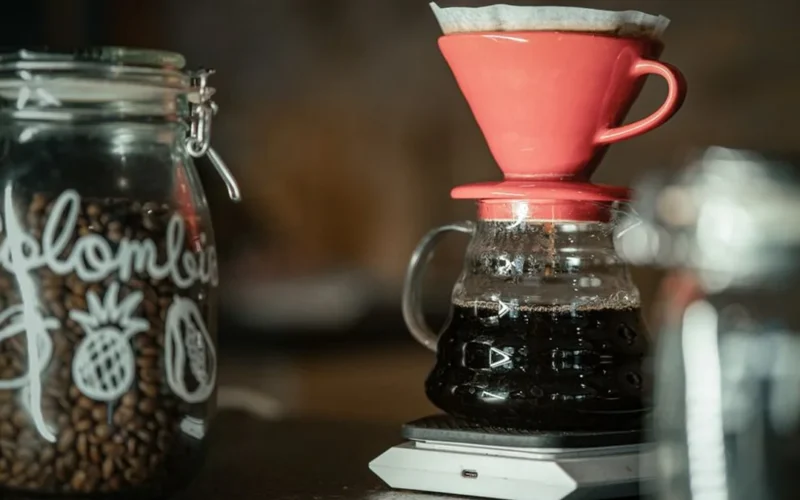
Instead of buying curated kits, take control of your own sensory education by sourcing individual small-batch bags from local roasters. The goal is to create contrast rather than variety for variety’s sake. Start by purchasing three distinct single-origin beans that represent clear stylistic boundaries. For example, pair a bright, high-acidity Ethiopian heirloom with a heavier, chocolatey Brazilian washed process and perhaps a medium-roast Colombian. Comparative tasting is the best way to figure out what you like. By brewing these side-by-side using the same method and water temperature, you isolate the variables of origin and processing.
Precision through controlled variables
To make this work at home, consistency is your most valuable tool. If you change your grind size or water temperature between samples, you are no longer tasting the coffee; you are tasting your mistakes. Use the exact same amount of coffee and water for every sample to ensure the differences you detect are purely organoleptic. This disciplined approach allows you to identify whether you lean toward fruit-forward brightness or deep, caramelized sweetness without spending a fortune on specialty subscription boxes. Focusing on contrast over quantity will yield much faster results for your palate development. Once you recognize how a natural process differs from a washed process in the same region, you can begin shopping with intention rather than guesswork. What specific flavor notes have you struggled to identify in your morning brew?
Questions & Answers
How can I build a coffee flavor library on a budget?
You can build a budget flavor library by sourcing individual small-batch bags from local roasters instead of purchasing expensive pre-packaged tasting kits. To make the most of your investment, focus on creating contrast rather than just collecting variety. For example, you might pair a bright Ethiopian heirloom with a heavy Brazilian washed process and a medium-roast Colombian bean to establish clear stylistic boundaries for your palate.
What is the best way to conduct a comparative coffee tasting at home?
The best way to conduct a comparative tasting is to brew distinct single-origin beans side-by-side using the exact same brewing method and water temperature. This specific approach allows you to isolate origin and processing as the primary variables. By maintaining these consistent conditions, you can accurately identify whether your personal preference leans toward fruit-forward brightness or deep, caramelized sweetness without needing a professional lab.
Why is it important to control variables during coffee tasting?
Controlling variables is essential because changing elements like grind size or water temperature between samples means you are tasting brewing mistakes rather than the coffee itself. Consistency ensures that any differences you detect are purely organoleptic, meaning they come from the beans' inherent qualities. Using the exact same amount of coffee and water for every sample allows you to focus entirely on the flavor profiles.
How does focusing on contrast help develop a coffee palate?
Focusing on contrast helps develop a coffee palate more quickly by allowing you to recognize the distinct differences between specific processing methods or regions. Instead of tasting many similar coffees, comparing beans with clear stylistic boundaries teaches you how to shop with intention. For instance, once you understand how a natural process differs from a washed process in the same region, you can avoid guesswork when buying new beans.
Originally reported by Reddit Coffee.

[…] modern conveniences like Wi-Fi or digital payments, they prioritize a tactile experience. Their drip coffee uses a nel filter, allowing more oils through the cloth than paper ever could, resulting in a […]
[…] who view moderation as an optional suggestion rather than a rule. Would you prefer a structured wine tasting or a spontaneous, multi-course […]
[…] tasting experience is defined by a strong presence of strawberry and blueberry, grounded by a distinct sense of […]