⏱ 1 min read
The Short Version
Long Jing Zhejiang defies green tea norms with its crisp, vegetal bitterness and caffeine punch, blending tradition and modernity in a drink that’s both culturally rich and surprisingly accessible.
In This Article
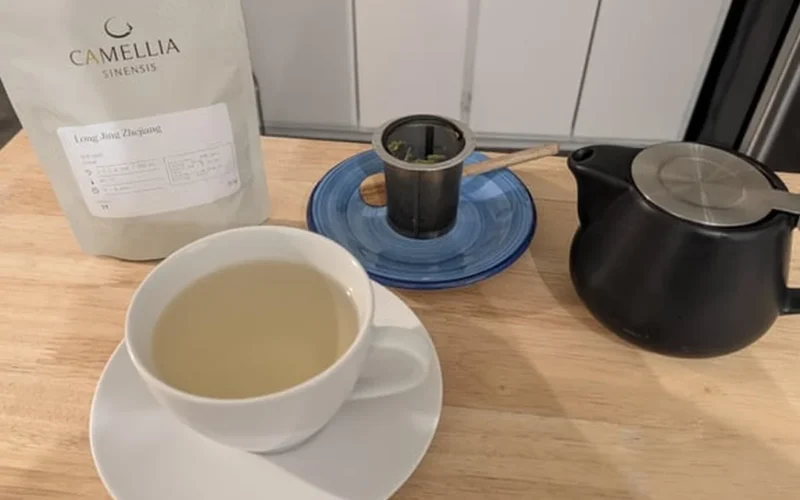
China’s green tea scene is evolving, and Long Jing Zhejiang is leading the charge. This unassuming leaf defies the usual playbook—no rubbery aftertaste, no obsession with 200°F water. Its flavor profile is nuanced: a gentle sweetness upfront, followed by a crisp, vegetal bitterness that lingers like a whispered secret. Brewed for 4 minutes as instructed, it delivers a caffeine spike that’s hard to ignore, waking you up in a way that feels more like a punch than a cup of tea.
Long Jing Zhejiang proves that cultural tea can be both accessible and profound, refusing to compromise on flavor or tradition.
Sensory Contradictions
Long Jing Zhejiang thrives on paradoxes. It smells like green tea, tastes like green, but somehow feels like a cultural artifact. The tea’s quiet intensity—its balance of bitterness and clarity—echoes the duality of its origins. It’s not just a drink; it’s a bridge between tradition and modernity, steeped in history yet unafraid to defy expectations. Its presence in global wellness markets and specialty shops signals a shift toward accessibility without diluting its heritage. The comparison to Dong Ding Mr. Nen Yu from Taiwan suggests a lineage of teas that value depth over flash, a movement that’s quietly reshaping how we think about Chinese green tea.
Cultural Resonance
This tea isn’t just about flavor—it’s about context. The label’s insistence on “most Chinese cultural tea” isn’t marketing fluff. It’s a statement. Long Jing Zhejiang exists in a space where heritage and accessibility collide. Unlike many premium teas that demand ritual or exclusivity, it’s approachable, even casual. Yet it carries the weight of centuries-old practices, from its hand-plucked leaves to the subtle earthiness that lingers.
Long Jing Zhejiang proves that cultural tea can be both accessible and profound, refusing to compromise on flavor or tradition.
What if the future of Chinese green tea isn’t about chasing trends, but redefining what it means to be rooted in heritage?
Questions & Answers
How does Long Jing Zhejiang differ from other green teas?
Long Jing Zhejiang stands out with its nuanced flavor profile, featuring a gentle sweetness followed by a crisp, vegetal bitterness. Unlike many green teas, it avoids a rubbery aftertaste and doesn’t require boiling water, offering a more balanced and refreshing experience.
What makes Long Jing Zhejiang culturally significant?
Long Jing Zhejiang is culturally significant as it bridges tradition and modernity, embodying centuries-old practices while being accessible and approachable. Its presence in global markets highlights a shift toward preserving heritage without exclusivity, making it a symbol of cultural tea.
Why is Long Jing Zhejiang considered a sensory contradiction?
Long Jing Zhejiang is a sensory contradiction because it smells and tastes like green tea yet feels like a cultural artifact. Its quiet intensity and balance of bitterness and clarity reflect its dual origins, creating a unique experience that defies traditional expectations.
How is Long Jing Zhejiang reshaping the perception of Chinese green tea?
Long Jing Zhejiang is reshaping perceptions by emphasizing depth over flash and redefining accessibility without diluting heritage. Its popularity in wellness markets and specialty shops shows a movement toward value and tradition, challenging the trend-driven approach to Chinese green tea.
Originally reported by Reddit Tea.