⏱ 1 min read
The Short Version
Roasted coffee needs 24–48 hours to release trapped gases, enhancing flavor and aroma, as sealing too soon traps bitterness and dulls acidity. Degassing is key to unlocking a coffee’s true taste.
In This Article
Real talk: Coffee’s first breath after roasting isn’t just a ritual—it’s a science. The notion that roasted beans require 24 hours of air exposure before sealing is rooted in chemistry, not tradition. Degassing is the process by which coffee releases carbon dioxide trapped during roasting, and it directly affects flavor clarity. Without it, the beans act like a sealed container, forcing bitterness and muted acidity into the cup. The gas itself isn’t the enemy—it’s the residue.
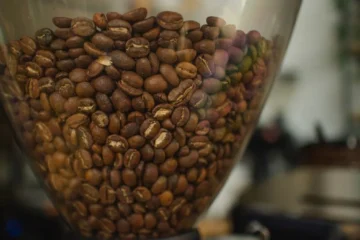
Imagine the beans as a sponge—absorbing moisture and releasing gases that can impact extraction and flavor.
Letting the Beans Breathe
The 24-hour rule isn’t arbitrary. After roasting, beans are porous and absorb atmospheric moisture, which alters their chemical profile. If you seal them too soon, the trapped gases create pressure that distorts the cupping experience. Imagine the beans as a sponge—absorbing moisture and releasing gases that can impact extraction and flavor. Degassing isn’t about waiting—it’s about letting the coffee release trapped gases that dull its aroma and acidity.
When to Cup: The Goldilocks Zone
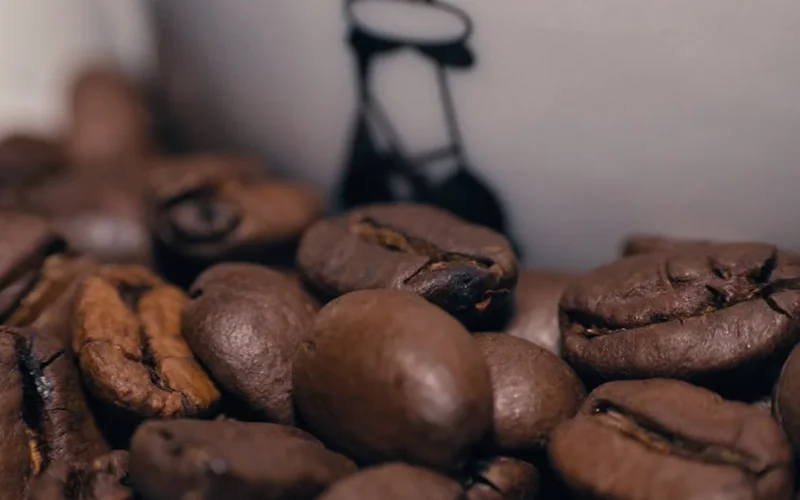
Cupping too early means you’re sipping through a barrier. The optimal window? Between 24 and 48 hours, depending on roast intensity. Light roasts need less time to degas, while darker roasts require more. But the real takeaway? Cupping is a diagnostic tool, not a tasting event. Use the first few days to assess roast quality—cracks, color, aroma—before the coffee’s true character emerges. Imagine the beans as a sponge—absorbing moisture and releasing gases that can impact extraction and flavor. Degassing also plays a critical role in long-term storage. As beans continue to release CO2, they can become more susceptible to oxidation, which affects shelf life and flavor stability. Understanding this process helps you store coffee optimally, preserving its quality over time. What’s your take on degassing? Share your process below.
Questions & Answers
How does degassing affect coffee flavor?
Degassing allows coffee beans to release trapped carbon dioxide, enhancing flavor clarity. Without proper degassing, the beans retain gases that can lead to bitterness and muted acidity. This process ensures the coffee's true aroma and acidity emerge during brewing.
Why is the 24-hour rule important for coffee beans?
The 24-hour rule is crucial because it allows beans to release gases trapped during roasting, preventing pressure buildup that distorts the cupping experience. Sealing beans too soon can result in a bitter taste and reduced acidity, affecting the overall flavor profile.
What is the optimal time to cup coffee after roasting?
The optimal time to cup coffee is between 24 and 48 hours post-roasting, depending on roast intensity. Light roasts require less time to degas, while darker roasts need more. This window ensures the coffee’s true character is revealed for accurate assessment.
How does degassing impact coffee storage?
Degassing helps preserve coffee quality by reducing the risk of oxidation, which affects shelf life and flavor stability. As beans continue to release CO2, proper storage prevents degradation, ensuring the coffee remains fresh and flavorful over time.
Originally reported by Reddit Coffee Roasting.