⏱ 1 min read
The Short Version
A narrow teapot spout disrupts tea flow, forcing straining and marring flavor, while a wide spout ensures smooth, uninterrupted brewing. The right design preserves tea’s natural character, turning steeping into a seamless ritual.
In This Article
Pour yourself a cup—this isn’t just about fixing a cracked spout; it’s about understanding how tea flows. The user’s Taiwan porcelain pot, with its 24oz capacity and no strainer, has been a trusted companion for loose leaf teas. Yet its narrow spout struggles with green tea and chamomile, clogging like a sieve. The issue isn’t the tea—it’s the teapot’s design.
A tight spout turns steeping into an interruption. The ideal teapot lets leaves exit freely, ensuring every sip remains consistent in flavor and depth.
The Narrow Spout Paradox
A tight spout turns steeping into an interruption. When leaves get stuck, you’re left with a half-empty pot and a mess. The user’s fix? A wide spout that allows leaves to flow without obstruction. This is more than convenience—it’s about maintaining the tea’s natural character. A narrow spout forces straining, which disrupts the brew’s texture and aroma. The ideal teapot lets leaves exit freely, ensuring every sip remains consistent in flavor and depth.
The Search for a Seamless Pour
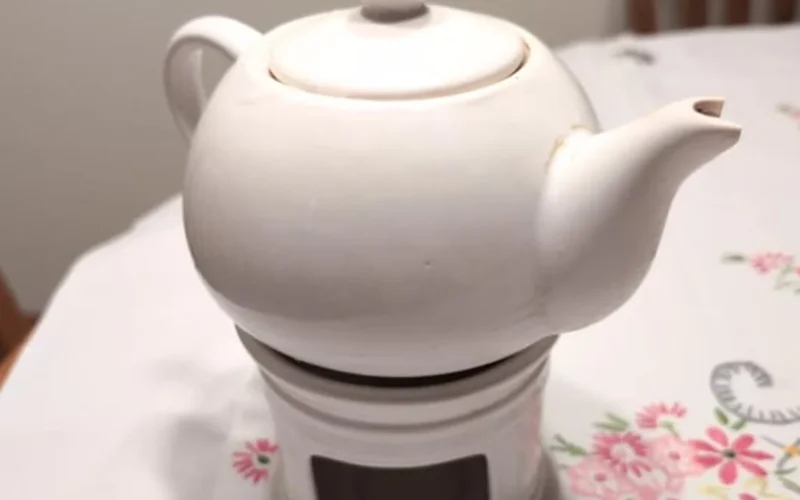
The user’s criteria are clear: porcelain, no infuser, wide spout, plain white. But the real challenge is finding a pot that balances form and function. A wide spout isn’t just a feature—it’s a design choice that demands precision. It avoids over-engineering while ensuring practicality. The right teapot should enhance your ritual, not hinder it. A tight spout turns steeping into an interruption. The ideal teapot lets leaves exit freely, ensuring every sip remains consistent in flavor and depth. So here’s the question: What’s your go-to teapot setup? Does a wide spout matter to you, or is it just another detail in the ritual? Share your thoughts—after all, the best tea is brewed with community.
Questions & Answers
Why does a narrow spout affect tea brewing?
A narrow spout can cause clogging, especially with fine teas like green tea or chamomile, disrupting the brewing process. It forces straining, which affects the tea’s texture and aroma. A wide spout allows leaves to flow freely, maintaining the brew’s consistency and depth.
How does a wide spout improve the tea-brewing experience?
A wide spout enables smooth, uninterrupted pouring by allowing leaves to exit freely without obstruction. This preserves the tea’s natural character and ensures each sip remains consistent in flavor and depth. It enhances the ritual without over-engineering the design.
What are the key features of an ideal porcelain teapot?
An ideal porcelain teapot should have a wide spout for seamless pouring, no infuser for loose leaf teas, and a plain white finish. It must balance form and function, avoiding over-engineering while ensuring practicality and enhancing the tea-brewing ritual.
Can a narrow spout be a problem for certain teas?
Yes, a narrow spout can be problematic for fine teas like green tea and chamomile, which tend to clog the spout. This disrupts the brewing process and can lead to inconsistent flavors. A wide spout is better suited for these teas, allowing for a smooth and uninterrupted pour.
Originally reported by Reddit Tea.