⏱ 1 min read
The Short Version
Ethiopia’s coffee ceremonies preserve ancient traditions, blending ritual and flavor with heirloom beans, while neighboring nations like Kenya and Rwanda have transformed Ethiopian coffee into a global commercial force.
There’s a quiet revolution unfolding in Ethiopia, rooted in centuries-old traditions. Coffee here is more than a commodity—it’s a practice, a story, and a sacred act. As the birthplace of coffee, this land holds secrets that reframe our understanding of beans, flavor, and cultural identity.
Kenya’s *juicy acidity* and *dark sweetness* emerged from its auction markets.
Ethiopia’s Ceremonial Roots
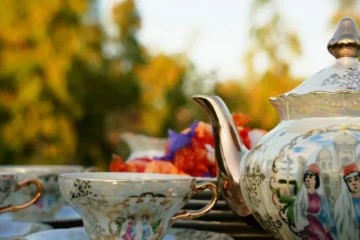
Ethiopia’s coffee forests are a wild, untamed mosaic of genetic diversity. There’s 99% more genetic material in these forests than the rest of the world combined. This isn’t just a statistic—it’s a biological treasure, shaping the wild, heirloom varieties that define Ethiopian coffee. The process is as much about hospitality as it is about flavor. A ceremonial brewing takes an hour, with roasting, grinding, and brewing done by hand. It’s not just coffee—it’s an act of respect, a shared moment that binds communities. The result? A flavor profile that’s distinctive, with winey acidity, berry brightness, and sweetness that lingers like a memory.
East Africa’s Commercial Evolution
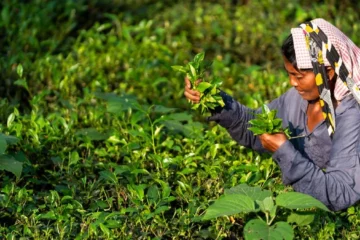
Kenya, Rwanda, and Burundi took coffee from Ethiopia’s forests and turned it into a commercial force. Kenya’s juicy acidity and dark sweetness emerged from its auction markets, while Rwanda’s earthy complexity was shaped by post-genocide recovery efforts. Burundi’s crisp acidity and floral notes reflect a country rebuilding itself through coffee. Processing methods—from washed to natural—are deeply embedded in local tradition, yet evolving to meet global standards. Today, many producers are integrating sustainable practices to preserve both flavor and the environment, ensuring that the legacy of Ethiopian coffee endures. Kenya’s juicy acidity and dark sweetness emerged from its auction markets. What happens when a ceremon, traditional practice meets a commercial market? How do these ancient practices shape the coffee we sip today?
Questions & Answers
How do Ethiopian coffee ceremonies reflect cultural identity?
Ethiopian coffee ceremonies are a deeply rooted cultural practice that embodies hospitality and respect. The slow, ritualistic process of roasting, grinding, and brewing by hand creates a shared moment that strengthens community bonds. The unique flavor profile, with winey acidity and berry brightness, highlights the country’s heirloom varieties and ties coffee to Ethiopia’s identity.
What role does genetic diversity play in Ethiopian coffee?
Ethiopia’s coffee forests hold 99% more genetic material than the rest of the world, making it a biological treasure. This diversity shapes the wild, heirloom varieties that define Ethiopian coffee. The genetic richness contributes to the distinctive flavor profile, with sweetness and acidity that linger like a memory.
Why are traditional processing methods important for East African coffee?
Traditional processing methods, like washed and natural techniques, are deeply embedded in local culture and influence the flavor of East African coffee. These methods, adapted to meet global standards, help preserve the unique characteristics of each region. For example, Rwanda’s earthy complexity emerged from post-genocide recovery efforts and evolving practices.
How has commercialization impacted Ethiopian coffee?
Commercialization has transformed Ethiopian coffee into a global commodity, with Kenya, Rwanda, and Burundi adapting traditional practices for international markets. While this has boosted economic growth, it has also led to sustainable practices that protect both flavor and the environment. The legacy of Ethiopian coffee endures through these evolving yet respectful methods.
Originally reported by JavaPresse Coffee.