⏱ 2 min read
The Short Version
Nicaragua’s farmers are reviving soil and communities through spice farming, using agroforestry to boost yields and protect ecosystems, while creating a sustainable, profitable model for the future.
When Dona’s team ventured to Nicaragua, they discovered more than spices—they found a thriving model of regenerative agroforestry that’s transforming how Central American farmers grow and sell their crops. The journey to Doselva’s farms revealed a quiet revolution, where spices like turmeric, ginger, and cardamom are cultivated using techniques that restore soil, protect biodiversity, and lift entire communities. This isn’t just about sustainable farming; it’s about reimagining how food systems can be both profitable and planet-friendly.
Jefferson Shriver hopes Doselva and Nicaragua will become the next hub of cardamom production, distributing 30,000 to 50,000 saplings to kickstart the industry.
Agroforestry as a Model for Resilience
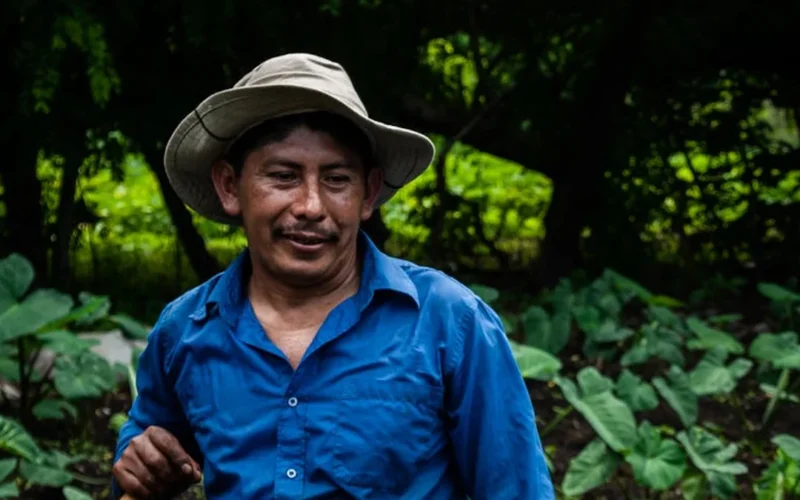
Doselva’s farms in Diriamba and Rio Blanco are structured like forests, layering crops to mimic natural ecosystems. The first layer of leaf residue locks in moisture and nutrients, while cash crops like cardamom and ginger thrive in the second. Shade-providing trees in the third layer protect the soil, and the final layer of hardwoods anchors the system against erosion. This isn’t just sustainable—it’s strategically designed. Farmers like Rito Julio Martines Ochoa are seeing yields jump by 40% since switching from cattle to spices, while reforestation projects earn them direct payments for planting cardamom saplings. The model is working: 500 farmers now grow under Doselva’s contract, and the company plans to distribute 30,000 to 50,000 cardamom saplings by 2025.
From Soil to Shelf: The Power of Traceability
The processing plant in Granada is where the magic becomes measurable. Here, cardamom pods are sorted by hand, ginger and turmeric are air-dried to 10–12% moisture, and every batch is tracked from farm to shelf. Traceability isn’t a buzzword—it’s a lifeline. For farmers, it means stable income and access to global markets. For brands like Dona, it means sourcing spices that align with their values without sacrificing quality. “We’re not just selling spices,” says Jefferson Shriver, Doselva’s founder. “We’re building a supply chain that’s as ethical as it is efficient.”
Jefferson Shriver hopes Doselva and Nicaragua will become the next hub of cardamom production, distributing 30,000 to 50,000 saplings to kickstart the industry.
Doselva’s model also empowers women farmers, offering them leadership roles in both farming and business operations. By addressing gender inequality in agriculture, the company is not only improving livelihoods but also fostering more inclusive and resilient food systems.
How do you see sustainable sourcing reshaping the future of specialty goods?
Questions & Answers
How does Doselva’s agroforestry model work?
Doselva’s agroforestry model layers crops to mimic natural ecosystems, with leaf residue locking in moisture, cash crops like cardamom and ginger thriving in the second layer, and shade trees protecting the soil. This system boosts yields by 40% for farmers like Rito Julio Martines Ochoa and supports reforestation through direct payments for planting cardamom saplings.
Why is traceability important in Doselva’s spice supply chain?
Traceability ensures stable income for farmers and access to global markets by tracking spices from farm to shelf. It allows brands like Dona to source ethical, high-quality spices while building a supply chain that’s both efficient and aligned with sustainability values.
What role do shade trees play in Doselva’s farming system?
Shade trees in Doselva’s system protect the soil, reduce erosion, and create a microclimate that supports crop growth. They are part of a layered agroforestry design that enhances biodiversity and soil health, contributing to the model’s resilience and profitability for farmers.
How is Doselva helping farmers transition from cattle to spices?
Doselva helps farmers transition from cattle to spices by offering contracts that guarantee income and teach regenerative farming techniques. This shift has led to a 40% increase in yields for farmers like Rito Julio Martines Ochoa, while also promoting reforestation through direct payments for planting cardamom saplings.
Originally reported by Barista Magazine.