⏱ 1 min read
The Short Version
Non-alcoholic rosé is leading a cultural shift, with sales soaring and premium brands redefining the category through quality and innovation.
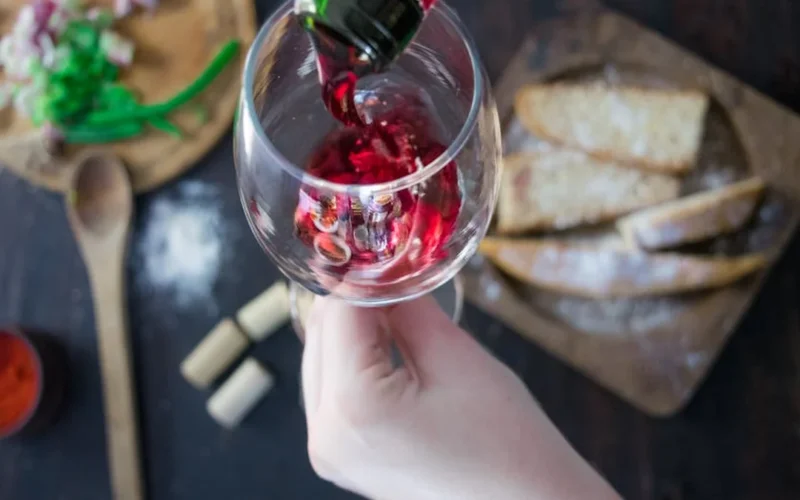
Rosé isn’t just a color—it’s a cultural renaissance. In a wine market reshaped by evolving consumer priorities, alcohol-free rosé has emerged as a symbol of both indulgence and restraint. Once relegated to the margins, it now commands a prominent place in the no/low category, with Waitrose in the UK reporting an 86% surge in sales. This shift reflects a broader change in how people engage with alcohol—less about abstinence, more about redefining what counts as a meaningful drink. “Drinking culture is becoming more fluid,” says Luke Hemsley of Wednesday’s Domaine, where 0% rosé and sparkling variants now coexist with traditional offerings.
The quality of alcohol-free wine has come on in leaps and bounds in the last five years
Quality Meets Innovation
The rise of non-alcoholic rosé hinges on a commitment to quality. Brands like Torres and Noughty are redefining the category by using premium base wines and cutting-edge dealcoholisation techniques to maintain structure and aroma. “You’re now getting wines with texture, not just something vaguely wine-adjacent,” says Laura Willoughby of Club Soda. Grenache, once an afterthought, has become a key player, offering bright red fruit and freshness. Noughty’s sparkling rosé, made from Tempranillo, balances ripeness and tannin, proving non-alcoholic can rival its alcoholic counterpart. Sustainability also plays a role, with many producers prioritizing eco-friendly practices in their no/low lines.
Sparkling Shifts, Terroir Takes Center Stage
Sparkling rosé has become the go-to for celebratory moments, with brands like Aix and French Bloom positioning their non-alcoholic versions as Champagne alternatives. “Bubbles mask sweetness, creating a premium experience,” says Tom Khan-Lavin. Yet the trend isn’t just about marketing. Producers are embedding terroir into their DNA. French Bloom’s Limoux estate, dedicated to 0% wines, translates regional identity into flavor. “We’re not removing alcohol; we’re rebuilding fine wine without it,” says Rodolphe Frerejean-Taittinger.
The quality of alcohol-free wine has come on in leaps and bounds in the last five years What happens when non-alcoholic rosé becomes as essential as its alcoholic sibling? Will the next big shift be in still wines, or will sparkling reign supreme?
Questions & Answers
How is non-alcoholic rosé reshaping drinking culture?
Non-alcoholic rosé is redefining drinking culture by blending indulgence with restraint. It reflects a shift toward more fluid consumption habits, where people seek meaningful drinks without alcohol. Brands like Waitrose report significant sales growth, showing how non-alcoholic rosé is becoming a mainstream choice for those looking to enjoy wine-like experiences responsibly.
What techniques are used to create high-quality non-alcoholic rosé?
High-quality non-alcoholic rosé uses premium base wines and advanced dealcoholisation methods to preserve structure and aroma. Brands like Torres and Noughty focus on maintaining texture and flavor, with Grenache and Tempranillo grapes playing key roles. These techniques ensure the final product rivals traditional alcoholic rosé in taste and quality.
Why is sparkling rosé popular in the non-alcoholic category?
Sparkling rosé is popular in the non-alcoholic category because bubbles mask sweetness, creating a premium, refreshing experience. Brands like Aix and French Bloom position their sparkling versions as Champagne alternatives. This format is ideal for celebratory occasions, making non-alcoholic sparkling rosé a versatile and appealing choice.
How do producers ensure terroir influences non-alcoholic rosé?
Producers ensure terroir influences non-alcoholic rosé by embedding regional identity into their winemaking process. French Bloom’s Limoux estate, for example, focuses on 0% wines that reflect their specific terroir. This approach allows non-alcoholic rosé to capture the unique characteristics of its origin, offering a refined and authentic drinking experience.
Originally reported by The Drinks Business.