⏱ 2 min read
The Short Version
A 5,500-year-old Cypriot grape is transforming Australia’s vineyards by surviving extreme heat and using 75% less water than traditional varieties. Xynisteri’s resilience offers a lifeline as drought and rising water costs threaten the wine industry.
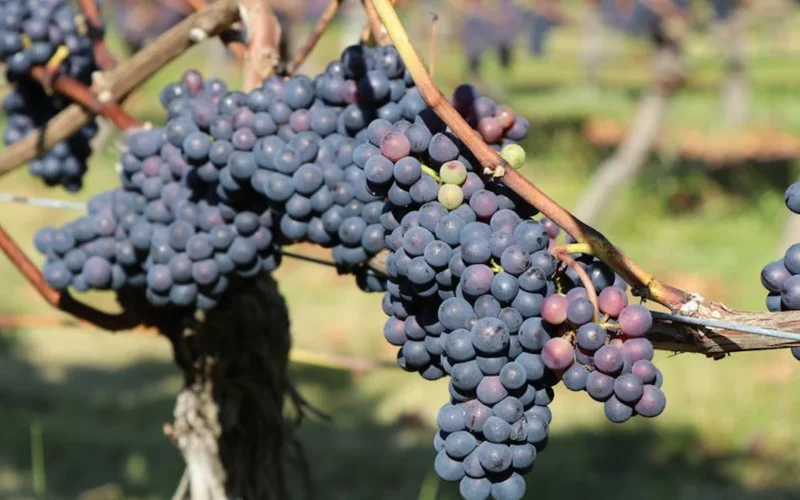
In the Barossa Valley, Xynisteri—a 5,500-year-old grape from Cyprus—has emerged as a game-changer for drought resilience. Introduced to Australia in 2018, it’s delivering tangible results for growers in the Riverland and Barossa Valley, cutting water use by up to 75% and surviving temperatures beyond 45°C. Yianni Koutouzis, whose 800 Xynisteri vines flourish without irrigation, says the shift is both efficient and transformative. “It’s reduced our consumption so much,” he explains, “about 75 per cent less water than our shiraz or chardonnay.”
Xynisteri’s thick skin and deep roots make it uniquely suited to arid climates, proving that ancient wisdom can outperform modern desperation.
A Grape Built to Survive
Xynisteri’s thick skin and deep roots make it uniquely suited to arid climates. Unlike conventional grapes, which demand frequent watering, this variety can endure months without irrigation. Its resilience isn’t just a technical triumph—it’s a lifeline for growers facing rising water costs and erratic weather. In the Riverland, where 49°C heatwaves have scorched vineyards, Xynisteri’s ability to withstand extreme conditions has made it a standout. “It showed little to no burning,” Koutouzis notes, describing how other crops crumbled under the same stress.
Water Wars and the Economics of Thirst
The wine industry’s struggles with oversupply and water scarcity are intensifying. Temporary water prices in the Murray Darling Basin have doubled, while grape prices have plummeted, leaving growers in crisis. Peter Hayman of the South Australian Research and Development Institute warns that the cost of water now outweighs the value of grapes, squeezing margins. For Koutouzis, the financial toll is personal: “To watch my mum and my dad cry was absolutely heartbreaking.” Yet, Xynisteri’s promise lies in its ability to decouple productivity from water dependency, offering a path forward in an industry teetering on the edge. Xynisteri’s thick skin and deep roots make it uniquely suited to arid climates, proving that ancient wisdom can outperform modern desperation. As adoption grows, Xynisteri is reshaping viticultural practices, from irrigation strategies to vineyard layout. Winemakers are rethinking traditional methods, embracing techniques that prioritize water efficiency and long-term sustainability. This shift isn’t just about survival—it’s about redefining what it means to grow wine in a changing world. How do you balance tradition with survival in a parched world?
Questions & Answers
How does Xynisteri help with drought resilience in Australian vineyards?
Xynisteri reduces water use by up to 75% and survives temperatures over 45°C. Its thick skin and deep roots allow it to endure months without irrigation, making it ideal for arid climates. Growers like Yianni Koutouzis report significant water savings compared to traditional grapes like shiraz or chardonnay.
Why is Xynisteri becoming a key solution for water-scarce regions?
Xynisteri’s resilience to extreme heat and drought makes it a vital option for regions facing water shortages. It can withstand temperatures beyond 45°C and requires minimal irrigation, helping growers cut costs and maintain productivity. This is especially critical in areas like the Riverland, where heatwaves have damaged other crops.
What are the economic benefits of growing Xynisteri?
Growing Xynisteri reduces water dependency, which is crucial as water prices in the Murray Darling Basin have doubled. This helps mitigate financial strain on growers, offering a sustainable alternative in an industry struggling with oversupply and declining grape prices. It provides a way to decouple productivity from water costs.
Can Xynisteri thrive in extreme heat conditions?
Yes, Xynisteri thrives in extreme heat, surviving temperatures beyond 45°C. In the Riverland, it showed little to no burning during 49°C heatwaves, unlike other crops. Its deep roots and thick skin enable it to endure harsh conditions, making it a reliable choice for drought-prone regions.
Originally reported by The Drinks Business.