⏱ 2 min read
The Short Version
Bangladesh’s coffee culture is transforming as roasteries turn beans into art, redefining drinking as a participatory experience rooted in chemistry and terroir. Once a simple ritual, coffee now demands expertise, reshaping how locals engage with the brew.
In This Article
One of my earliest memories is of red paper cups and cans too large for my small hands — the cola and coffee my parents sipped, but I was never allowed to touch. As I grew, that fascination evolved into a quiet reverence for the two dark beverages. In Bangladesh, coffee once meant a spoonful of instant granules stirred into lukewarm water. But that ritual has been quietly upended. Today, the question isn’t whether you like coffee — it’s whether you know it. At the heart of this shift lies the roastery, a place where chemistry meets artistry. Strip away latte art and café aesthetics, and you’re left with green beans subjected to heat, a process that unlocks layers of complexity. Roasting triggers chemical reactions — the Maillard reaction, caramelisation — transforming dense, stubborn beans into aromatic, expressive ones. It’s less technician than conductor, calibrating time, temperature, and airflow with obsessive precision. A few seconds too long, and nuance collapses into char.
Coffee is no longer merely consumed; it is interrogated.
The Roastery as a Chemistry Lab
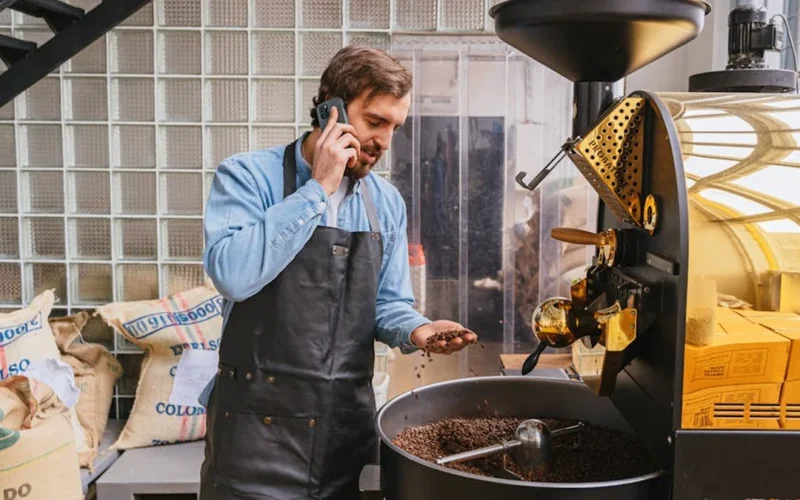
Bangladesh’s coffee awakening began in Dhaka, where roasteries have reconfigured drinking into something participatory. Consumers now watch beans crack, darken, and release oils before ever reaching their cups. This mirrors a global specialty movement, but with a local texture. The Hill Tracts, once overlooked, are now quietly producing beans with a terroir-driven identity. Roasteries like North End Coffee Roasters bridge this potential with international sourcing, crafting blends that are both rooted and cosmopolitan. Their Hill Tract Blend, for instance, acknowledges local cultivation while elevating it through careful curation. Elsewhere, East Bengal Coffee Roasters frames coffee as education, offering cups that map out Guatemala’s Huehuetenango or Colombia’s Huila. The shift isn’t just commercial — it’s reshaping public taste, steering it from instant familiarity toward nuance.
From Instant to Intention
Choice has become expressive, not incidental. Origin, roast level, and processing method now populate everyday vocabulary. Ethiopian beans are floral; Colombian profiles lean fruity; Indonesian coffees are earthy. Light roasts are prized for acidity and complexity; dark roasts carry smoky gravitas. What’s most profound, however, is the epistemic shift. Coffee is no longer consumed — it’s interrogated. Consumers ask where beans come from, how they were processed, when they were roasted. Cupping sessions, once confined to professionals, are now public rituals, inviting participants to read flavour. This is the quiet revolution of the roastery: it turns coffee from habit into habitus, from reflex into cultivated attention.
Coffee is no longer merely consumed; it is interrogated. What does the future hold for Bangladesh’s coffee culture? Will this shift toward intentionality endure, or will it fade into another trend?
Questions & Answers
How is coffee culture changing in Bangladesh?
Coffee culture in Bangladesh is shifting from instant brews to specialty roasting. Roasteries now focus on the art and science of transforming green beans into aromatic coffee, emphasizing quality and complexity. This change reflects a growing appreciation for nuanced flavors and craftsmanship in the country's coffee scene.
What role do roasteries play in Bangladesh's coffee movement?
Roasteries in Bangladesh act as chemistry labs, where green beans undergo precise roasting to unlock their full flavor potential. They blend local terroir with global techniques, creating unique blends that highlight both regional identity and international influences. This process is central to redefining coffee culture in the country.
Why are roasteries important for coffee education in Bangladesh?
Roasteries in Bangladesh serve as platforms for coffee education, helping consumers understand the origins and characteristics of different beans. By offering cups that map out regions like Guatemala or Colombia, they guide drinkers toward appreciating complexity and origin, transforming coffee from a habit into an intentional experience.
How are local coffee regions gaining recognition in Bangladesh?
Local coffee regions like the Hill Tracts are gaining recognition through roasteries that highlight their unique terroir. These areas, once overlooked, are now producing beans with distinct flavor profiles. Roasteries like North End Coffee Roasters blend local cultivation with global sourcing, elevating regional coffee to a broader audience.
Originally reported by The Daily Star.