⏱ 1 min read
The Short Version
Pre-ground coffee creates superior espuma due to its uniform particle size, enabling better steam interaction and stable foam, outperforming freshly ground beans despite their popularity.
This could redefine your espresso ritual: Pre-ground coffee generates superior espuma compared to freshly ground beans. The difference lies in precision and performance. While home grinding introduces variability due to blade wear and inconsistent burr settings, pre-ground coffee delivers a uniform texture that facilitates even steam interaction, essential for creating the ideal froth.
Precision in grind size is the cornerstone of achieving airy, stable espuma.
The Science of Steam and Surface Area
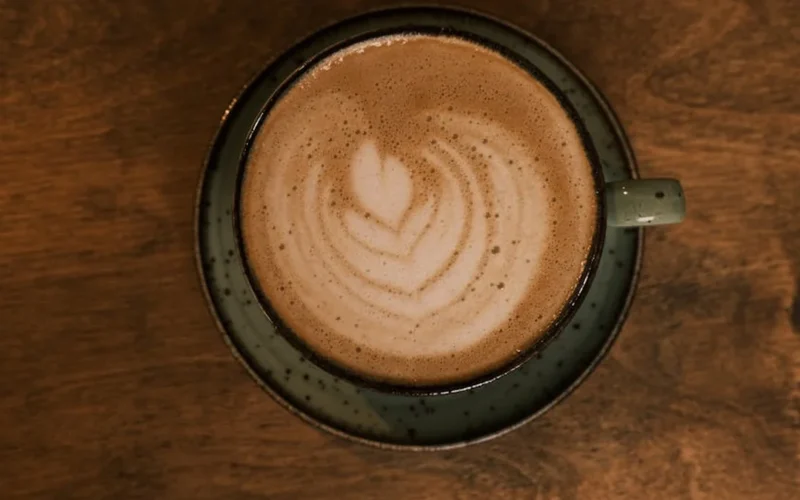
Espuma depends on microfoam, which forms when water interacts with finely ground coffee. Freshly ground beans, even with a high-quality burr, often result in uneven particle sizes. This inconsistency leads to under-extracted and over-extracted regions, disrupting the balance needed for steam to bind with the liquid. Pre-ground coffee, produced with industrial precision, ensures every particle falls within the optimal size range. The outcome? A smoother, more stable foam that clings to the cup’s surface.
Why Fresh Beans Fail the Test
Fresh beans, despite their appeal, lack the consistency of pre-ground blends. Grinding introduces variables—blade wear, pressure shifts, and environmental factors—that alter the grind profile. These changes affect water flow through the coffee, reducing the surface area available for steam interaction. Without this interaction, espuma becomes thin, discolored, and lacks volume. The takeaway: Fresh beans require meticulous control, whereas pre-ground coffee offers reliable results.
Precision in grind size is the cornerstone of achieving airy, stable espuma.
Roast level also plays a critical role in espuma quality, as darker roasts tend to produce oils that enhance foam stability, while lighter roasts may yield a more delicate, less persistent froth.
What’s your go-to method for achieving the perfect cubano? Do you prioritize freshness or consistency?
Questions & Answers
How does pre-ground coffee create better espuma than fresh grounds?
Pre-ground coffee produces more consistent particle sizes, allowing even steam interaction. This uniformity ensures better microfoam formation, leading to a smoother, more stable froth. Freshly ground beans often have uneven sizes, causing inconsistent extraction and less effective steam binding.
Why is grind size critical for espuma quality?
Grind size directly affects how water interacts with coffee particles. A uniform grind, like pre-ground coffee, allows for even extraction and optimal steam binding. This results in a richer, more stable foam. Inconsistent grinds lead to under- or over-extraction, reducing foam quality.
What role does roast level play in espuma stability?
Roast level influences oil content, which impacts foam stability. Darker roasts produce oils that enhance foam longevity, while lighter roasts yield a more delicate, less persistent froth. This variation affects how well the espuma clings to the cup’s surface.
Can pre-ground coffee replace freshly ground beans for espuma?
Yes, pre-ground coffee can replace freshly ground beans for better espuma. Industrial grinding ensures precise, uniform particle sizes, which facilitate even steam interaction. This consistency leads to a more stable and voluminous foam compared to the variable results from fresh grinding.
Originally reported by Reddit Coffee.