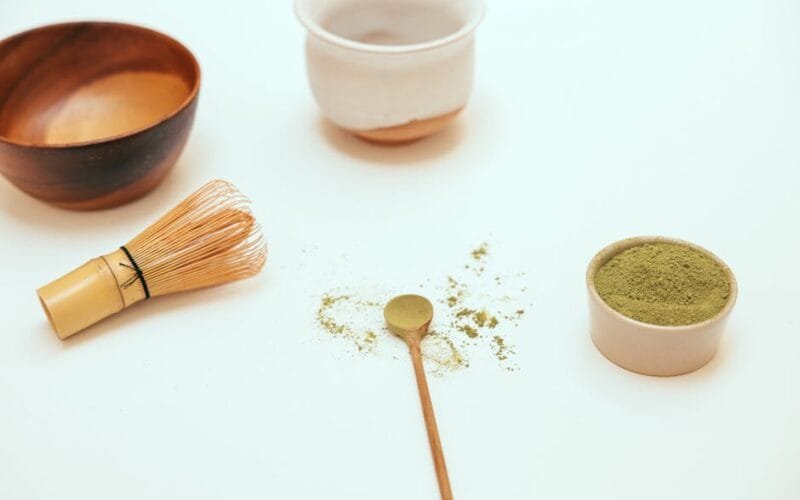
Coffee lovers, wine enthusiasts, tea devotees—have you ever wondered why matcha commands a premium in your local café? This vibrant green powder, once a sacred staple of Japanese tea ceremonies, has surged into mainstream consciousness thanks to its bold flavor and rumored health perks. But beyond the Instagram-worthy aesthetic, matcha’s true allure lies in its unique cultivation and nutrient density. Unlike regular green tea, which is steeped from whole leaves, matcha is made by grinding shade-grown Camellia sinensis leaves into a fine powder. This labor-intensive process—where tea plants are shaded for weeks to boost chlorophyll—creates a brew that’s packed with antioxidants, particularly EGCG, the compound linked to everything from muscle recovery to immune support.
The science is compelling: studies suggest matcha contains up to three times more EGCG than regular green tea. For runners, this means potential benefits like reduced post-workout soreness and improved endurance. Yet, the real magic lies in the synergy between EGCG and caffeine, which may enhance fat burning during runs. But don’t expect a caffeine crash—matcha’s L-theanine balances the stimulant effect, delivering a “gentle buzz” instead of jitters. Still, the hype around matcha’s health claims isn’t all settled science. While preliminary research hints at anti-cancer properties and blood sugar regulation, larger human studies are needed to confirm these effects.
Quality matters too. Ceremonial-grade matcha, harvested from young leaves, offers a sweet, vegetal flavor, while lower-quality versions taste bitter and lack potency. To maximize benefits, brew it with hot water (not boiling) and avoid adding milk, which can bind antioxidants. For a twist, blend it into smoothies or use it as a rub for poultry. But don’t overlook its versatility: from popsicles to pancakes, matcha’s adaptability makes it a kitchen staple.
What’s your favorite way to enjoy matcha? Share your recipe in the comments.
Questions & Answers
What makes matcha different from regular green tea?
Matcha is made from shade-grown leaves ground into powder, not steeped whole leaves. This process boosts chlorophyll and nutrients like EGCG, offering more antioxidants than regular green tea.
What are the main health benefits of matcha?
Matcha provides antioxidants, especially EGCG, linked to muscle recovery, immune support, and metabolism boost. It also offers sustained energy and hydration due to its high nutrient content.
Information sourced from industry reports and news outlets.