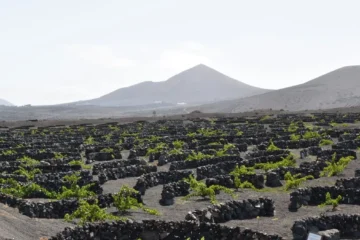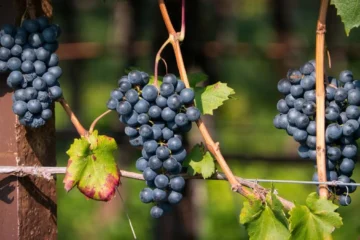
Pour yourself a cup for this one: Moldova, a country often overlooked, is quietly rewriting the rules of European wine. With a 5,000-year winemaking legacy and a terroir shaped by the Carpathians and Black Sea, this Eastern European nation is no longer a footnote in wine history. Instead, it’s becoming a force to be reckoned with—crafting wines that blend ancient traditions with modern ambition.
At its core, Moldova’s appeal lies in its indigenous grapes. Fetească Albă, Fetească Regală, and Fetească Neagră are more than varietals—they’re cultural markers. These grapes, grown in vineyards dense enough to rival global leaders, yield wines with a distinct sense of place. “They’re not just grapes; they’re the soul of Moldova,” says Stefan Iamandi, director of the National Office for Vine and Wine. The country’s Protected Geographical Indications—like Codru and Valul lui Traian—further define regional styles, from crisp, floral whites to bold, structured reds. Even its traditional aged wine spirit, Divin, has found a niche in global markets.
Moldova’s rise isn’t accidental. Over the past decade, the industry has shifted from volume to quality, investing in modern techniques and stricter standards. The result? Over 8,000 medals at international competitions, including Berliner Wine Trophy and Concours Mondial de Bruxelles. Export markets now span 70+ countries, with the EU absorbing 60% of Moldova’s output. Yet the real magic lies in its growing reputation for authenticity. “Wine here isn’t just a product—it’s a story,” Iamandi says.
For newcomers, the entry point is simple: start with Fetească Albă’s delicate citrus notes or Fetească Neagră’s soft, spiced reds. Sparkling wines from Codru and the smoky complexity of Divin offer further exploration. Meanwhile, wine tourism is booming, with family-run estates and underground cellars drawing international visitors. National Wine Day, set to celebrate its 25th anniversary in 2026, will showcase this evolution, uniting winemakers and fans in Chișinău.
As they continue to gain global traction, one thing is clear: this small Eastern European nation is proving that great wine doesn’t need to be loud to make an impact.
What’s next for Moldova’s wines? As they continue to gain global traction, one thing is clear: this small Eastern European nation is proving that great wine doesn’t need to be loud to make an impact.
KEY POINTS: Moldova’s indigenous grapes like Fetească Albă and Fetească Neagră define its unique wine identity. A decade-long shift toward quality and terroir-driven techniques has earned Moldova over 8,000 international medals. From underground cellars to global markets, Moldova’s wine scene is redefining what it means to be a hidden gem.
CLOSE: What’s next for Moldova’s wines? As they continue to gain global traction, one thing is clear: this small Eastern European nation is proving that great wine doesn’t need to be loud to make an impact.
Questions & Answers
What’s driving Moldova’s wine revival?
Small-scale producers and government support are driving Moldova’s wine revival, focusing on quality over quantity and promoting local varieties like Fetească.
Are Moldovan wines gaining international recognition?
Yes, Moldovan wines are gaining international recognition for improved quality and unique terroir, with some earning awards at global competitions.
Information sourced from industry reports and news outlets.