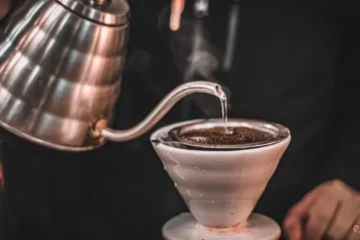
The verdict is in: temperature isn’t just a detail in brewing—it’s a narrative. Filter coffee’s flavor profile isn’t static; it evolves as the drink cools, shifting sweetness, acidity, and bitterness in ways that redefine the sensory experience. For baristas, this means temperature isn’t just a technical variable—it’s a tool to guide customers through a layered tasting journey. As retail prices rise, cafes that master this dynamic could gain a competitive edge by turning temperature into a storytelling element.
Research reveals that sweetness peaks around 44°C, while bitterness fades as the coffee cools. At 70°C, the drink is bold and intense, but as it drops to 40°C, floral notes emerge, and acidity becomes more pronounced. The World Brewers Cup has long treated temperature as a central part of the coffee experience, with competitors like George Peng structuring routines around cooling curves. He served his Panama Gesha at 50°C, balancing aroma and clarity, and used thermometers to track its transformation. Judges tasted the coffee at three key stages—hot, warm, and near room temperature—evaluating how flavors shift. This approach isn’t just for competitions; it’s a blueprint for cafes aiming to deepen customer engagement.
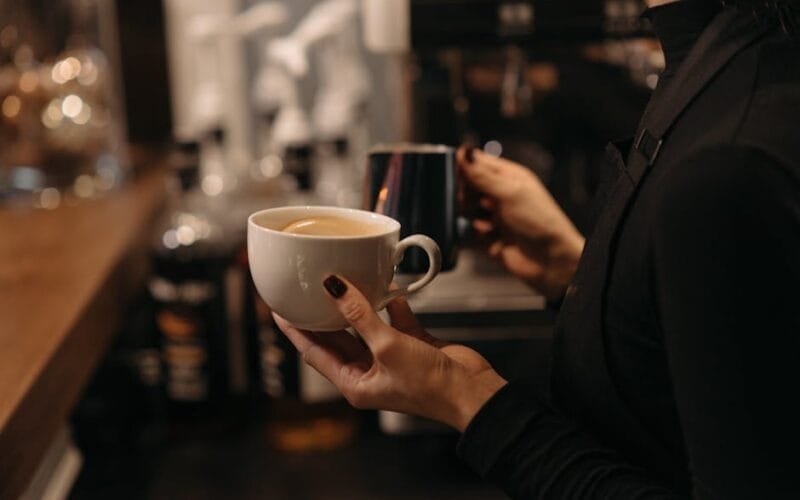
Baristas can turn this into a service strategy. “Encourage customers to taste the coffee when it first arrives, then suggest they let it cool slightly,” says Hugh Kelly, a multi-time Barista Champion. Preheating vessels stabilizes temperature, but some baristas experiment further, using frozen metal rocks to chill extracts and preserve volatile compounds. This method retains up to 40% more flavor, creating a more dynamic drinking experience. For specialty cafes, structured temperature guides—printed cards, visual aids, or even iPads—can transform a simple cup into an intentional ritual.
The key takeaway? Temperature isn’t just about serving hot coffee. It’s about curating an experience that evolves with the drink. Whether it’s a brief recommendation to wait for the coffee to cool or a guided tasting session, the goal is to make customers feel like collaborators in the journey. For cafes, this isn’t just about flavor—it’s about building rapport and offering something more than a cup.
What if your next coffee order came with a note suggesting you let it cool before sipping.
What if your next coffee order came with a note suggesting you let it cool before sipping? Would you try it?
Questions & Answers
How does temperature affect filter coffee?
Temperature changes the extraction process, altering flavor and strength. Hotter water extracts more oils, while cooler water results in a lighter cup. Consistent temperature ensures balanced brewing.
Why is temperature important for customer service?
Temperature impacts customer comfort and experience. Cold environments may slow service, while warm ones can increase wait times. Maintaining optimal temperatures improves satisfaction and efficiency.
Information sourced from industry reports and news outlets.