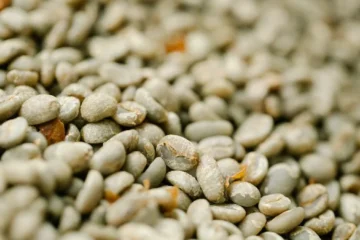
If you’ve ever roasted an Ethiopian bean and watched the RoR plummet at first crack, you’re not alone. This bean’s unique profile—marked by a sharp, bright acidity and a delicate balance of floral and citrus notes—often defies the expected roast curve. Unlike most beans, which see a RoR spike as CO2 escapes, this Ethiopian variety consistently drops. The question isn’t if it happens, but why and how to navigate it.
The answer lies in the bean’s cellular structure and moisture content. Ethiopian coffees, particularly from regions like Guji Uraga, have a higher proportion of small, tightly packed cells. When heat is applied, these cells release moisture rapidly, creating a sudden pressure shift. The CO2 trapped inside the bean’s cellular matrix escapes in a burst, causing the RoR to dip. This isn’t a flaw—it’s a signature trait of the bean’s origin and processing method. The challenge is translating this into a roast that highlights its complexity without underdeveloping the cup.
Adjusting the roast profile requires precision. Many roasters compensate by increasing the burner temperature before first crack, but this isn’t a one-size-fits-all fix. The key is to dial in the heat early enough to stabilize the RoR without overwhelming the bean. A slower, more controlled ramp-up can help mitigate the drop, allowing the bean to express its acidity and brightness without burning off volatile compounds. Monitoring the bean’s response—via color, aroma, and surface texture—is critical. The goal isn’t to force a spike but to guide the roast into a steady, sustainable rise.
This bean’s RoR crash isn’t a red flag—it’s a call to refine your approach. Whether you’re chasing a clean, crisp cup or a layered, nuanced profile, understanding this behavior is the first step. The real magic happens when you learn to work with the bean’s natural tendencies rather than against them.
Monitor the bean’s response to fine-tune your roast profile.
Adjust your pre-crack temperature to counteract the RoR crash. Monitor the bean’s response to fine-tune your roast profile. Embrace the crash as a signal, not a failure.
What’s your go-to strategy for handling erratic RoR curves? Share your insights below.
Questions & Answers
What causes the “crash” with Ethiopian beans?
Ethiopian beans can crash due to their high acidity and delicate profile. They require precise water temperature and extraction to avoid over-extraction and bitterness.
How to adjust for Ethiopian bean “crash”?
Lower water temperature, use finer grind, and reduce brew time. These adjustments help balance extraction and prevent the bean’s natural acidity from dominating.
Information sourced from industry reports and news outlets.