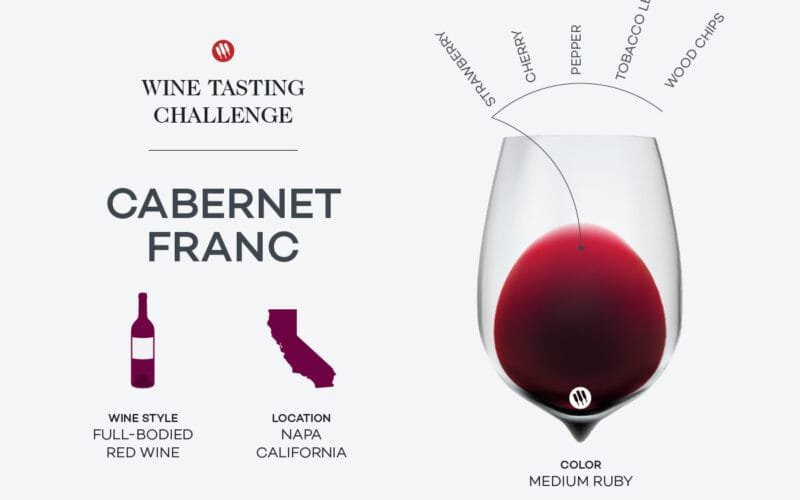
Consider this your morning briefing: Cabernet Franc is often overshadowed by its more famous siblings, Merlot and Cabernet Sauvignon, but it’s time to give it the spotlight. This week’s tasting challenge? A single-varietal Cabernet Franc from Napa Valley—a region better known for its blockbuster Cabernet Sauvignons. What happens when you pair a grape’s “papa” with the same terroir that birthed its more celebrated offspring? Let’s find out.
The wine in question? A bold, medium-ruby pour with aromas of strawberry, cherry, tobacco, and roasted pepper. On the palate, it’s all about structure: tannins that demand decanting, flavors of raspberry and green pepper, and a finish that lingers like a leafy tobacco whisper. Pair it with a steak burrito, chili, or stuffed peppers—its pyrazine-driven spice will dance with anything that hits the heat.
Cabernet Franc’s magic lies in its versatility. In the Loire Valley, it’s all about freshness: red fruits and herbal notes that feel like a crisp autumn morning. In Tuscany, it’s richer, spicier, and more intense, blending seamlessly with Sangiovese. Napa’s version? A bridge between these worlds. The region’s warm climate yields ripe, sweet grapes, resulting in wines with high alcohol, bold tannins, and jammy fruit. It’s a style that feels both familiar and surprising—like a well-worn jacket you can’t imagine living without.
Here’s the thing: Cabernet Franc is a steal. For its complexity and structure, it often costs less than its more hyped counterparts. The Napa bottle we tried? A $29 value that delivered everything you’d expect from a premium red without the premium price tag. It’s a grape that rewards curiosity, whether you’re sipping it solo or pairing it with bold flavors.
Its versatility makes it a standout value, often outclassing pricier wines in flavor and structure.
Key points: Cabernet Franc thrives in diverse climates, from the Loire’s cool freshness to Napa’s ripe intensity. Its versatility makes it a standout value, often outclassing pricier wines in flavor and structure. Don’t underestimate its spice and tannic grip—these are the hallmarks of a wine that demands attention.
Where did your Cabernet Franc come from? It isn’t just California, you know! Great examples are coming out of Washington, the Finger Lakes, and even Virginia. Let us know what you’re drinking in the comments.
Technically WSET II but I also write plays, jokes, and the occasional diatribe. You’ll find me waxing on about Riesling and other German delights.
Questions & Answers
How does American Cabernet Franc differ from French?
American Cabernet Franc is riper, fruitier, and less herbal than French, with softer tannins and higher acidity. It often shows dark berries and spice notes, while French versions are more earthy and structured.
What foods pair well with American Cabernet Franc?
Pair with grilled meats, roasted vegetables, and earthy dishes. Its fruitiness balances rich proteins, while its acidity cuts through fatty foods like steak or lamb.
Information sourced from industry reports and news outlets.