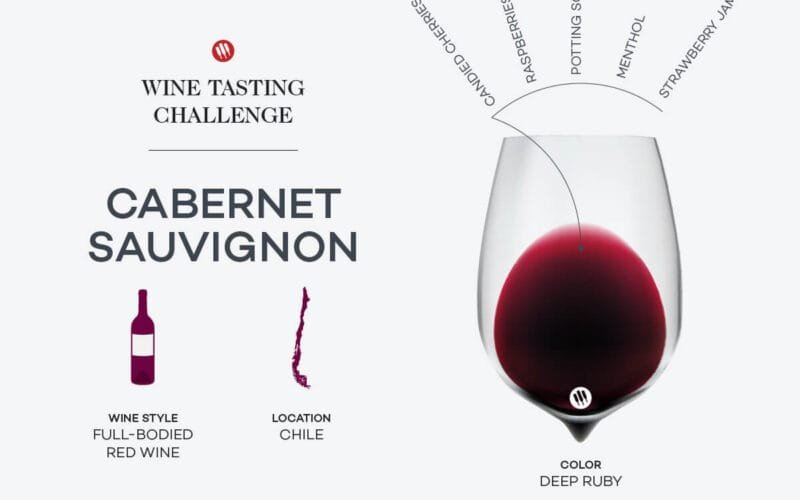
Coffee lovers, wine enthusiasts, tea devotees—chances are, you’ve sipped a Chilean Cabernet without realizing it. This South American varietal has quietly usurped Bordeaux’s crown, delivering bold, complex reds that rival Napa Valley’s best. The Maipo Valley, in particular, crafts wines with notes of black currant, fig paste, and dark chocolate—think of it as a sly cousin to California’s heavy hitters. But how did a country with no wine history become a global force? Let’s break it down.
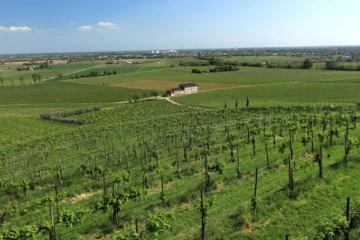
Chile’s warmer climate and Mediterranean-style terroir are perfect for Cabernet Sauvignon, allowing grapes to ripen fully and develop concentrated flavors. The Maipo Valley’s wines, with their deep ruby hues and aromas of candied cherries and menthol, are textbook examples of Old World style in a New World setting. These aren’t just big wines—they’re layered, with tannins that grip like a well-aged Bordeaux and finishes that linger like a good memory. The key? A balance of heat and altitude that coaxes out depth without sacrificing elegance.
But Chile’s rise isn’t just about climate. Historically, the country relied on the Pais grape, a rustic, tannic wine that defined its early days. Then, in the 20th century, French influence reshaped Chile’s approach. Winemakers began emulating Bordeaux, crafting fruity, approachable Cabernets that became the region’s hallmark. Today, though, the game’s changed. French producers like Domaine de la Romanée-Conti now partner with Chilean estates, elevating quality to world-class levels. The result? Wines that pack Napa’s punch but at a fraction of the price.
So what’s the takeaway? Chilean Cabernet is no longer an afterthought. It’s a serious contender, blending Old World tradition with New World intensity. Whether you’re pairing it with steak or sipping it solo, these wines demand respect. And if you’ve ever wondered why the best reds don’t always come from France, look no further than Chile’s hidden gem.
Share your picks below—let’s keep the conversation flowing.
What’s your go-to Chilean Cabernet? Share your picks below—let’s keep the conversation flowing.
Questions & Answers
What food pairs best with Chilean Cabernet Sauvignon?
Pair with grilled steak, lamb, or hearty stews. Its bold tannins and dark fruit notes complement rich, savory dishes.
How long should I age Chilean Cabernet Sauvignon?
Age 3–5 years for optimal flavor development. Reserve for 5+ years to enhance complexity and soften tannins.
Information sourced from industry reports and news outlets.