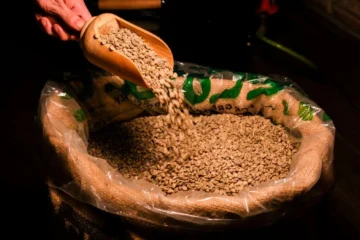
This might just change your routine: Your coffee smells mild, but the flavor is fine—until you compare it to a café’s rich, aromatic roast. The question isn’t just about aroma; it’s about how your roast develops, how heat interacts with beans, and why the scent often betrays the taste. If you’re roasting with an extension tube, you’re already in a nuanced dance between control and compromise. The Frest Roast SR800’s setup is precise, but the scent’s lack of intensity suggests a deeper conversation between temperature, time, and bean expression.
Take the Ethiopia Misty Valley Drop F9/P3 example: You’re roasting in cold weather, with a roaster in a box, and the temperature peaks at 505°F for 1.5 minutes. That’s technically within the “normal” range for an extension tube, but aroma is a lagging indicator. The scent you smell is the result of volatile compounds escaping early in the roast, while flavor is shaped by later stages. If your coffee tastes great but smells mild, the issue might not be the roast itself—it could be how the heat is applied, or how the beans are allowed to evolve.
The extension tube’s role is critical here. It cools the roaster’s body, which can slow development and mute aroma. But if you’re holding temps at 505°F for too long, you might be over-roasting the early stages, sacrificing the floral, bright notes that contribute to scent. Conversely, if you’re under-roasting, the beans won’t release enough aromatic compounds. The key is balance: a roast that builds heat quickly, then stabilizes, allowing the beans to develop complexity without burning off their signature aromatics.
The real takeaway isn’t just about temperature. It’s about understanding how your setup influences the roast’s lifecycle. A mild scent doesn’t mean a failed roast—it means you’re missing a chance to amplify the bean’s natural profile. Whether it’s adjusting your drum’s airflow, tweaking the extension tube’s position, or refining your cooling curve, the goal is to let the beans express themselves fully.
What’s your secret to balancing aroma and flavor in your roast.
What’s your secret to balancing aroma and flavor in your roast? Share your insights below.
Questions & Answers
Why does coffee smell mild but taste fine?
Coffee may smell mild due to low aroma compounds, but flavor comes from roasted beans. Mild scent doesn’t mean poor taste, just different profile.
Is mild coffee smell a sign of low quality?
No. Mild aroma doesn’t indicate low quality. Flavor develops during roasting. Some beans naturally have subtler smells but rich taste.
Information sourced from industry reports and news outlets.