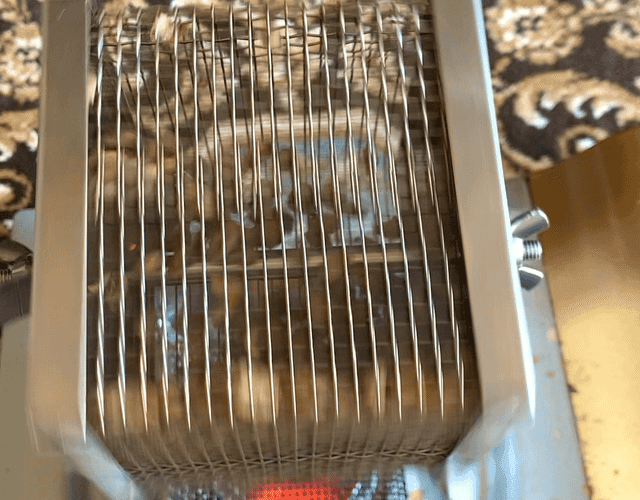
There’s a quiet revolution happening in the world of coffee roasting. While electric machines promise precision and ease, a tiny, handcrafted roaster from Japan is quietly stealing hearts—and coffee beans—among enthusiasts. It’s not about speed or convenience; it’s about the ritual, the craft, and the way a manual roaster forces you to slow down. For me, it’s the one I reach for despite its quirks, even if it means sacrificing a few beans to the chaos of chaff and labor.
The manual roaster is a paradox: it’s both a labor of love and a test of patience. Unlike its electric counterpart, which handles batches with robotic efficiency, this Japanese gem demands constant attention. You stir, monitor, and adjust with a precision that turns roasting into a dance. The result? A cup that feels alive, with flavors that seem to whisper stories of the beans’ origin. Yet, the trade-off is steep. Chaff accumulates like a fine dust, and the process is slow enough to make you question whether it’s worth the effort. But for those who crave connection to their brew, the reward is undeniable.
What makes this roaster special isn’t just its origin but its ability to transform roasting into a meditative act. Each batch becomes a conversation between you and the beans, a chance to refine technique and deepen understanding. It’s not for the impatient, but for those who savor the process. The electric roaster offers consistency, yes—but the manual one offers something rarer: the thrill of mastery.
The real magic lies in balance. A manual roaster isn’t a replacement for modern tools; it’s a complement. It teaches you to listen to the beans, to trust your instincts, and to embrace imperfection. For coffee lovers who want more than a cup, it’s a gateway to a deeper relationship with their craft.
Its Japanese craftsmanship elevates roasting from a task to a ritual.
Key points: A manual roaster demands patience but rewards with depth and connection. Its Japanese craftsmanship elevates roasting from a task to a ritual. The trade-off between hassle and artistry is worth it for those who value the journey over the destination.
Close: If you’ve ever wondered whether the effort of manual roasting is worth it, what would make you trade convenience for the ritual? Share your thoughts below.
Questions & Answers
How long does it take to roast coffee manually?
Manual roasting takes 10-20 minutes, depending on bean type and desired roast level. Temperature and time control are key for consistent results.
What tools are needed for manual coffee roasting?
A roaster drum, thermometer, timer, and cooling tray are essential. Some use a simple oven with a heat-resistant container for smaller batches.
Information sourced from industry reports and news outlets.