Just as you wouldn’t overexert a delicate flower, you shouldn’t squeeze your tea bags. Doing so can release undesirable bitterness and compromise the subtle flavors your tea offers. By avoiding this practice, you ensure a smoother, more enjoyable cup that highlights the tea’s natural aroma and taste. Understanding the importance of proper brewing techniques will elevate your tea experience, leading to every sip being as delightful as it should be.
Understanding Tea Bags
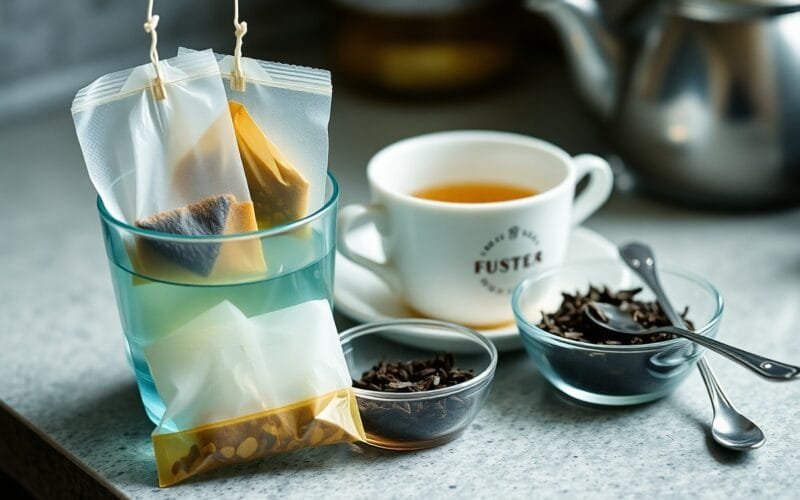
Tea bags offer a convenient way to enjoy your favorite brews without the hassle of loose leaves. You’ll find that the design enables easy steeping while containing the important flavors and aromas. When you understand the construction and types of tea bags, you can make more informed decisions about your tea choices, ensuring a better tasting experience.
Composition of Tea Bags
Tea bags are primarily made from paper, nylon, or muslin, each material influencing the steeping process. Most commonly, paper tea bags are bleached, which can affect the taste, while biopolymer and silk options offer better flavor transfer. The tea inside is usually a blend of whole leaves, fannings, or dust, resulting in varying flavor strengths and steeping times. Knowing these components can enhance your brewing technique.
Types of Tea Bags
There are several types of tea bags that cater to different preferences: standard tea bags, pyramid tea bags, and reusable mesh bags. Standard bags typically contain smaller tea particles, while pyramid bags allow for better infusion due to their shape. Reusable mesh bags provide an eco-friendly option, letting you choose your loose leaf blend. Understanding these options can elevate your tea brewing experience.
| Type | Characteristics |
| Standard Tea Bags | Convenient, often filled with fannings or dust. |
| Pyramid Tea Bags | Allow more space for leaves to expand, enhancing flavor. |
| Reusable Mesh Bags | Eco-friendly, customizable with your choice of loose leaf tea. |
| Silken Tea Bags | Made from biodegradable silk, offering a premium experience. |
| Biodegradable Bags | Environmentally conscious option, made from plant materials. |
Each type of tea bag brings something unique to the table. Standard tea bags are widely available and easy to use but often lack depth in flavor. Pyramid bags, on the other hand, enable higher quality teas to shine with improved infusion. Reusable mesh bags are ideal for tea enthusiasts who prefer loose leaves, offering custom blends. Silken bags provide a touch of luxury, while biodegradable options address environmental concerns. Perceiving the differences ensures you choose the best option for your preferences.
- Standard bags are practical and quick for everyday brewing.
- Pyramid bags allow leaves to breathe, intensifying flavor.
- Reusable bags save money and reduce waste.
- Silken bags elevate the aesthetics of your tea experience.
- Biodegradable bags promote sustainability without sacrificing quality.
| Consideration | Impact on Brewing |
| Material | Affects flavor and steeping effectiveness. |
| Shape | Determines water flow and infusion quality. |
| Size of Tea Particles | Larger pieces can enhance flavor extraction. |
| Reusability | Saves money and is eco-friendly for frequent drinkers. |
| Quality of Tea | Higher quality impacts overall taste and aroma. |
The Brewing Process
The brewing process significantly influences the flavor and quality of your tea. Proper extraction of flavor compounds depends on factors like time, water temperature, and the quality of your ingredients. Each tea type has its unique requirements, ensuring you obtain the best taste from every brew.
Optimal Brewing Time
Optimal brewing time varies by tea type, ranging from 2-3 minutes for delicate green teas to 5-7 minutes for robust black teas. Adhering to these timeframes ensures maximum flavor extraction without leading to bitterness. As a general rule, steeping longer than recommended can result in over-extraction, impacting the overall taste profile of your cup.
Water Temperature and Quality
The temperature of your water is pivotal in achieving the perfect cup. Different teas require varying temperatures, with green teas needing cooler water around 160-180°F and black teas requiring boiling water at approximately 200-212°F. Using filtered water can greatly enhance the flavor profile, ensuring your tea is as enjoyable as possible.
| Tea Type | Optimal Temperature (°F) |
| White | 160-185 |
| Green | 160-180 |
| Oolong | 190-200 |
| Black | 200-212 |
| Herbal | 200-212 |
Water quality plays a vital role in your tea’s final taste. Hard water, rich in minerals, can alter flavor nuances, whereas filtered or spring water enhances the tea’s natural characteristics. Ideally, your water should be free of impurities, with an optimal mineral balance that accentuates the flavors without overwhelming them. Investing in high-quality water can elevate your brewing experience significantly.
| Water Type | Flavor Impact |
| Tap Water | May contain chlorine or impurities, affecting taste |
| Filtered Water | Cleansed of impurities, providing pure flavor |
| Spring Water | Natural minerals enhance flavor complexity |
Impact of Squeezing Tea Bags
Squeezing tea bags may seem harmless, but it impacts the quality of your brew. When you apply pressure, you release a wave of bitter flavors, which can ruin the delicate balance of your tea. Tea experts explain why you should never squeeze your tea bags, emphasizing the importance of allowing tea to steep gently for optimal taste.
Release of Bitter Flavors
Alteration of Aroma
Squeezing tea bags also negatively affects the aroma of your drink. The vital oils within the leaves, which contribute to the tea’s fragrance, are forced out when pressure is applied. This diminishes the complexity and pleasantness of the tea’s aroma, making your experience less enjoyable.
When you brew tea, aroma plays a significant role in your overall enjoyment. The fragrant notes are vital in setting the mood for your tea experience, enhancing flavors and adding depth. By squeezing the bag, you disrupt this delicate balance, leading to a reduced olfactory experience, and ultimately, a less satisfying cup of tea. Preserve the aroma by allowing the tea to steep naturally, inviting the full bouquet of flavors to bloom.
Nutritional Considerations
Nutritional aspects of tea are often overlooked, yet they significantly influence your health and well-being. When you squeeze your tea bags, you not only extract excess tannins that contribute to bitterness but may also release unwanted compounds that can affect the tea’s overall nutritional profile. Understanding the balance of flavors and nutrients can enhance your tea experience while optimizing health benefits.
Essential Oils and Nutrients
Squeezing tea bags can release necessary oils and nutrients, but not in a beneficial way. Many of these oils are volatile and delicate, which means that improper brewing methods can diminish their effectiveness. When brewed correctly, these elements harmonize to provide maximum flavor and health benefits without the bitterness that comes from over-extraction.
Health Benefits of Proper Brewing
Proper brewing techniques maximize the health benefits of your tea. Adequate steeping times allow your tea to release polyphenols, antioxidants, and other beneficial compounds that support heart health, boost metabolism, and enhance overall wellness. For instance, studies show that green tea can enhance fat oxidation and improve insulin sensitivity, but only when brewed without agitation that might impair nutrient release.
Your brewing technique can alter the effectiveness of these benefits. For example, black tea contains theaflavins, which have been linked to lowering cholesterol levels, but squeezing the bags might hinder their availability. Maintaining optimal steeping temperatures and times ensures you extract maximum flavor and health-promoting compounds, providing you with both enjoyment and health perks. Prioritizing proper brewing methods allows you to fully appreciate the rich diversity of nutrients in your tea without compromising on taste or nutritional value.
Best Practices for Brewing Tea
To achieve the best flavor from your tea, adhere to proper brewing practices that consider water temperature, steeping time, and tea quality. Each type of tea requires specific conditions to release its unique flavors and aromas optimally. Experimenting with different variables can enhance your overall tea experience and lead to delightful discoveries.
Techniques for Effective Steeping
Effective steeping techniques enhance the extraction of flavors from your tea. Start with fresh, filtered water and bring it to the ideal temperature for your tea type. Time your steep precisely-generally, 3-5 minutes for black teas, 2-3 minutes for oolongs, and 1-3 minutes for green and white teas. Adjust these times based on your flavor preference to find the perfect balance.
Enhancing Flavor Without Squeezing
Enhancing your tea’s flavor can be achieved without squeezing the bags, which often releases bitterness. Instead, consider using a higher quality tea bag or adding complementary ingredients like lemon, honey, or fresh herbs. This approach allows natural flavors to shine without the negative effects of excessive tannin activation.
Using higher quality tea bags can significantly elevate the depth of flavors in your brew. Consider adding a slice of lemon for brightness or a dash of honey for sweetness to create a more complex profile. Fresh herbs, such as mint or basil, can also introduce refreshing elements without overshadowing the tea’s natural taste. These enhancements not only elevate the experience but maintain the integrity of your brew, resulting in a satisfying cup that invites exploration.
Common Misconceptions
Many misunderstandings about tea preparation can lead to poor brews. One of the most prevalent is the belief that squeezing tea bags extracts more flavor or benefits. In reality, this practice can create a bitter taste and diminish the overall quality of your tea. Aligning your brewing method with proper techniques ensures that you enjoy the full potential of your beverage.
Myths About Squeezing Tea Bags
You may believe that squeezing tea bags enhances flavor and accelerates brewing time. However, this myth overlooks the fact that excess pressure releases tannins and astringency, resulting in an unpleasant taste. Instead of improving your tea, squeezing often detracts from the nuanced flavors each type of tea can provide.
Facts About Tea Quality
High-quality tea leaves are designed to steep optimally without the need for squeezing. For instance, premium loose-leaf teas often release their vital oils and benefits properly when steeped without manipulation. Studies indicate that maintaining the integrity of the leaves contributes significantly to the overall flavor profile and health benefits, making your cup truly rewarding.
When you prioritize quality in your tea selection, you can experience a notable difference in taste and aroma. Quality teas, particularly whole leaf varieties, optimize their flavor through a careful infusion process rather than pressure. High-quality tea has a variety of compounds that are sensitive to temperature and steeping time; squeezing disrupts this delicate balance, often leading to bitterness. By treating your tea gently, you preserve its inherent qualities, allowing for a pleasant, well-rounded cup every time.
Summing up
From above, it’s clear that squeezing tea bags can negatively affect your brew’s flavor and quality. By extracting tannins and bitterness, you compromise the smoothness and aromatic qualities of your tea. Instead of enhancing your drink, you inadvertently introduce undesired astringency. For a more enjoyable experience, consider allowing your tea to steep naturally. If you’re curious about the reasoning behind this practice, check out this discussion on Why aren’t you supposed to squeeze the tea bag when it’s ….
FAQ
Q: Why should I avoid squeezing tea bags after brewing?
A: Squeezing tea bags releases tannins and other compounds that can lead to a bitter taste. This alters the intended flavor profile and can overshadow the delicate notes of the tea.
Q: How does squeezing tea bags affect the caffeine content?
A: Squeezing tea bags can increase the release of caffeine into your brew, making the tea stronger than intended. This may result in a more intense beverage that some may find unpalatable.
Q: What is the effect of squeezing tea bags on the brewing process?
A: The act of squeezing can disrupt the brewing process, preventing the tea leaves from fully infusing their flavors. This can lead to an imbalanced cup, lacking in the complexity typically expected from properly brewed tea.