

⏱ 2 min read
The Short Version
Green tea doesn't own the antioxidant crown; coffee and pomegranate juice can actually deliver superior polyphenol density. To maximize your nutritional portfolio, swap sugar-laden mixes for pure cocoa or strategic, small servings of nutrient-dense fruit juices.
In This Article
Green tea is often positioned as the undisputed heavyweight of healthy beverages, but its monopoly on antioxidant status is a misconception. While green tea provides essential plant compounds, other everyday drinks offer comparable—or even superior—nutritional density. According to nutrition experts Elizabeth Shaw, MS, RDN, CPT, and Sylvia Klinger, DBA, MS, RD, the goal isn’t just finding high scores in a test tube; it’s about how these compounds interact with your unique metabolism and dietary patterns.
A beverage with high antioxidant activity in a test tube is not necessarily the beverage with the greatest health benefits.
The Chemistry of Polyphenols
The primary drivers of health benefits in these drinks are polyphenols, naturally occurring plant compounds like flavonoids and tannins that help manage oxidative stress. Coffee holds its own against tea; Klinger notes that laboratory studies have found the antioxidant activity in brewed and instant coffee to be comparable to or greater than green tea. These beans are rich in phenolic compounds such as caffeic acid. To maximize these benefits, preparation is key; lighter roasts typically retain more chlorogenic acids than darker varieties.
A beverage with high antioxidant activity in a test tube is not necessarily the beverage with the greatest health benefits.
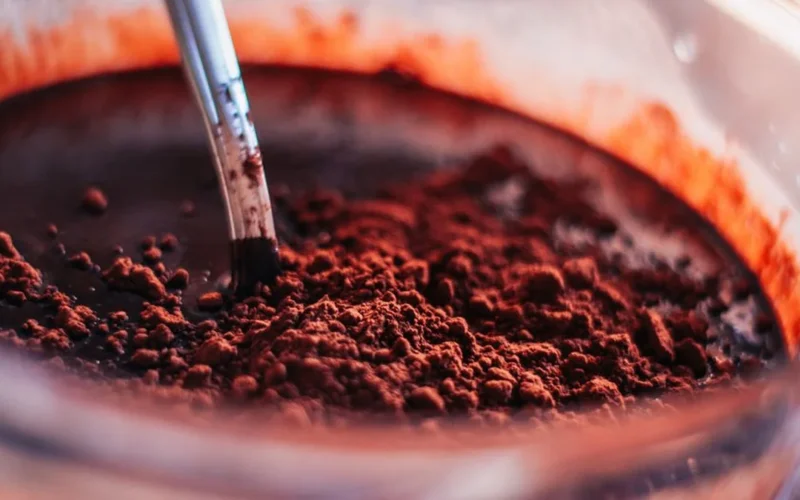
Unsweetened cocoa powder acts as a nutritional powerhouse for cardiometabolic and cognitive health. Because pure cocoa can be bitter, Shaw suggests blending it into smoothies with naturally sweet fruits to manage the flavor without sacrificing polyphenol intake. Unlike sugar-laden hot chocolate mixes, pure cocoa contains flavanols like epicatechin that may improve vascular function.
Strategic Sips and Serving Sizes
When moving toward fruit juices, the conversation shifts from polyphenol concentration to sugar management. Pomegranate juice is exceptionally dense in antioxidants; Klinger observes that because the processing extracts tannins from the rind, even a half-cup serving can provide higher antioxidant activity than green tea. Similarly, Concord grape juice contains anthocyanins that support heart health. Because these are much higher in calories than tea, Shaw recommends limiting servings to 4 ounces and cutting them with sparkling water to maintain hydration.
For gut and bone health, prune juice remains a functional staple due to its phenolic compounds and sorbitol, which aids regularity. To moderate the blood sugar response, Shaw recommends blending prune juice into a smoothie with protein, healthy fat, and fiber-rich ingredients. Build your nutrition like a portfolio: prioritize variety by incorporating tea in the morning, coffee for alertness, and small amounts of colorful juices throughout the day.
Do you prioritize specific nutritional markers like antioxidants when choosing your daily beverages, or do you focus more on flavor and caffeine content?
Questions & Answers
What beverages have antioxidant levels comparable to green tea?
Several everyday beverages provide antioxidant levels that rival or even exceed those found in green tea. Brewed and instant coffee contain phenolic compounds like caffeic acid that offer significant antioxidant activity. Unsweetened cocoa powder is another powerhouse, providing flavanols such as epicatechin which support cognitive and cardiometabolic health. Additionally, certain fruit juices like pomegranate and Concord grape juice are exceptionally dense in antioxidants, offering high concentrations of tannins and anthocyanins that support various bodily functions.
How can you maximize the antioxidant benefits of coffee?
You can maximize the antioxidant benefits of coffee by choosing lighter roasts over darker varieties. Lighter roasts typically retain higher levels of chlorogenic acids, which are beneficial phenolic compounds. While both brewed and instant coffee provide significant antioxidant activity, the specific roasting process plays a critical role in the final nutritional density. Focusing on these lighter varieties ensures you are getting the most out of the coffee beans' natural chemical properties to help manage oxidative stress.
Why should you limit the amount of fruit juice consumed daily?
You should limit fruit juice consumption primarily to manage sugar and calorie intake. While juices like pomegranate and Concord grape are incredibly dense in beneficial antioxidants, they are much higher in calories than traditional tea. To enjoy these nutrients without causing excessive blood sugar spikes, experts recommend limiting servings to 4 ounces. A helpful strategy for maintaining hydration while managing these calories is to cut the juice with sparkling water to dilute the concentration.
How can you incorporate bitter cocoa powder into a healthy diet?
You can incorporate bitter unsweetened cocoa powder into your diet by blending it into smoothies with naturally sweet fruits. This method allows you to manage the intense flavor of pure cocoa without needing to add sugar-laden hot chocolate mixes. By using this approach, you can successfully consume high levels of flavanols like epicatechin, which are essential for improving vascular function. Combining cocoa with fruits makes it a much more palatable way to boost your daily polyphenol intake.
Originally reported by Martha Stewart.