⏱ 2 min read
The Short Version
Toyo University students are bridging cultures by pairing the complex oxidation of Taiwanese oolongs with traditional Japanese confections. This sophisticated seminar moves tea from a niche specialty into an accessible, daily ritual through intentional, cross-cultural flavor synergy.
In This Article
Students from Toyo University’s Department of International Tourism Management turned a personal travel epiphany into a curated sensory experience at the 2026 Tourism Expo Japan. After sampling local beverage shops during a trip to Taiwan, these students returned to Japan driven by a desire to compare the nuances of Taiwanese and Japanese beverage cultures. Their research culminated in a professional seminar held at the Tokyo Big Sight exhibition center, where they showcased Taiwanese teas paired specifically with traditional Japanese confections.
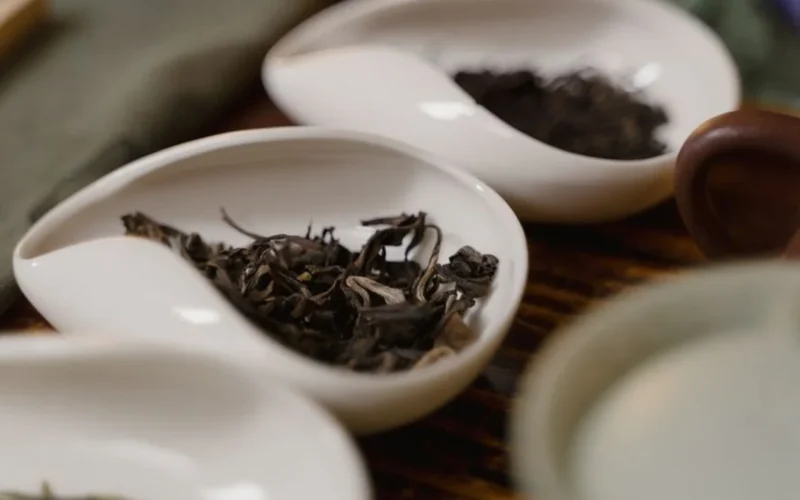
One feature distinguishing Taiwanese tea is the different ways in which the leaves are oxidized and roasted.
Mastering Oxidation and Roasting
The presentation focused on the technical distinctions that define Taiwanese profiles compared to their Japanese counterparts. Happy Lemon representative Lin Tai-yi assisted the students, leading a seminar that dissected the core mechanics behind the tea’s character. One feature distinguishing Taiwanese tea is the different ways in which the leaves are oxidized and roasted. By highlighting green, black, and oolong varieties, the organizers demonstrated how these specific processing methods create the diverse flavor spectrum available in Taiwan.
The selection process was highly intentional, as the students chose teas they believed would resonate most effectively with Japanese palates. Rather than presenting an overwhelming array, they focused on demonstrating how high-quality tea can integrate seamlessly into daily life through thoughtful culinary pairings. This approach aimed to move tea beyond a niche specialty item and into the realm of accessible, everyday enjoyment.
Exploring Oolong Pairings
To ground the theory in practice, the tasting featured two distinct heavyweights of the Taiwanese oolong world: Jinxuan oolong and Oriental Beauty. These were served alongside various Japanese snacks to illustrate the potential for cross-cultural synergy. The goal was not merely a tasting, but a demonstration of how tea serves as a bridge for tourism and cultural exchange between the two nations.
By pairing the floral complexity of Oriental Beauty or the creamy notes often found in Jinxuan with the specific textures of Japanese sweets, the students highlighted the versatility of the leaf. It was a sophisticated exercise in matching regional flavors to foster a deeper appreciation for Taiwanese tea culture within the Tokyo market.
When exploring international tea cultures, do you find that the local snack or confection dictates your choice of tea, or does the tea lead the way?
Questions & Answers
What are the main technical differences between Taiwanese and Japanese tea?
The primary technical distinctions between Taiwanese and Japanese teas lie in the specific methods used for oxidation and roasting. These processing techniques define the unique character and flavor profiles of each tea variety. By examining green, black, and oolong varieties, researchers can see how different levels of oxidation and roasting create a diverse spectrum of flavors. These mechanical differences allow Taiwanese tea to offer distinct profiles that can be specifically curated to complement various culinary experiences and cultural traditions.
How did Toyo University students demonstrate the versatility of Taiwanese tea?
Toyo University students demonstrated tea versatility by pairing specific Taiwanese oolong varieties with traditional Japanese confections. They utilized heavyweights of the oolong world, such as Jinxuan and Oriental Beauty, to show how different flavor profiles interact with various textures. For example, they paired the floral complexity of Oriental Beauty or the creamy notes of Jinxuan with Japanese sweets. This intentional culinary pairing was designed to show how high-quality tea can integrate seamlessly into everyday life and serve as a bridge for cultural exchange.
Why did the students focus on a limited selection of tea during their presentation?
The students focused on a limited selection of tea to demonstrate how high-quality tea can be integrated into daily life through thoughtful culinary pairings. Rather than presenting an overwhelming array of options, they chose specific teas they believed would resonate most effectively with Japanese palates. This intentional approach aimed to move tea from being viewed as a niche specialty item into the realm of accessible, everyday enjoyment. By narrowing their focus, they could more effectively showcase the synergy between tea and local snacks.
What role did Happy Lemon play in the Tokyo Tourism Expo seminar?
Happy Lemon representative Lin Tai-yi assisted the students by leading a professional seminar that dissected the core mechanics behind tea character. The representative helped explain the technical distinctions that define Taiwanese tea profiles compared to Japanese ones. Specifically, the seminar focused on how different oxidation and roasting methods impact the tea's final flavor. This collaboration provided the students with the professional expertise needed to present a sophisticated demonstration of how Taiwanese tea culture can be introduced and appreciated within the Tokyo market.
Originally reported by Focus Taiwan.